Jakarta – The Attorney General’s Office (Kejagung) has confirmed its intention to proceed with processing the alleged ethical violation case involving former Junior Attorney General for Special Crimes (Jampidsus) Febrie Adriansyah, once a final and binding court decision is reached in the associated criminal proceedings. This statement comes as the legal ramifications surrounding Adriansyah continue to unfold, impacting both his professional standing and the public’s trust in the integrity of the institution.
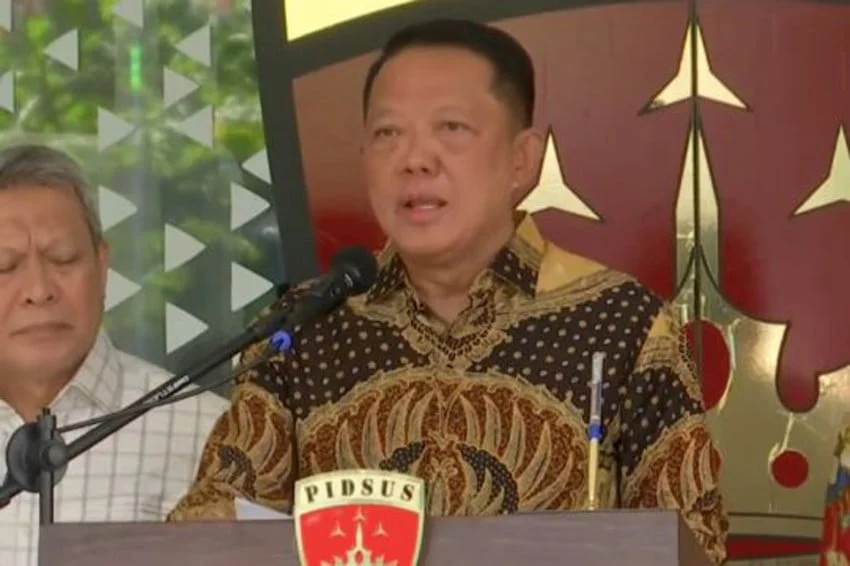
The confirmation was provided by the Junior Attorney General for Supervision (Jamwas) at Kejagung, Rudi Margono, during a press briefing held at the Kejagung’s Main Building in South Jakarta on Friday, July 24, 2026. When questioned about the prospects of addressing Febrie Adriansyah’s alleged ethical breaches, Margono unequivocally stated, "Yes, yes (the ethical process will follow after the criminal case is final and binding)." This indicates a clear procedural roadmap being followed by the oversight body within the Attorney General’s Office, prioritizing the resolution of criminal charges before delving into disciplinary actions.
Background and Ongoing Legal Proceedings
The case against Febrie Adriansyah has cast a significant shadow over the Kejagung, raising questions about accountability and ethical conduct within one of Indonesia’s most crucial law enforcement agencies. While specific details of the alleged ethical violations remain under wraps due to the ongoing nature of the proceedings, the reference to "criminal proceedings" suggests that the disciplinary action is intrinsically linked to potential criminal offenses Adriansyah might be facing.
It is important to note that Febrie Adriansyah has not been suspended from his duties. Jamwas Rudi Margono clarified that Adriansyah remains an active member of the Kejagung and continues to receive his entitlements as a civil servant, including his salary. This is attributed to the fact that his legal process is still ongoing and no definitive judgment has been rendered. This practice aligns with standard civil service regulations where disciplinary actions are often contingent upon the final outcome of criminal investigations or prosecutions. The continuation of his salary, therefore, is a procedural norm rather than an indication of leniency or endorsement of any alleged misconduct.
The Kejagung has recently been active in issuing new investigation directives. In the period leading up to this statement, the office had reportedly issued four new investigation warrants (sprindik). These new directives are reportedly linked to significant corruption cases, including those involving PT Asabri (Persero), Krakatau Steel, and the procurement of coal for a Power Generation Unit (PLTU). The mention of these high-profile cases, including one that led to widespread power outages (blackout), underscores the Kejagung’s ongoing commitment to tackling corruption, albeit with the current controversy surrounding one of its senior officials.
Chronology of Events and Investigations
While a precise timeline for the initiation of the ethical investigation into Febrie Adriansyah has not been publicly disclosed, the current statement from Jamwas Rudi Margono suggests a phased approach to addressing the allegations. The process can be broadly understood as follows:
- Pre-Investigation/Information Gathering: It is presumed that initial information or allegations regarding Febrie Adriansyah’s conduct were received or uncovered by the Kejagung’s internal oversight mechanisms. This phase would involve preliminary assessments to determine the veracity and gravity of the concerns.
- Criminal Investigation: The mention of "criminal proceedings" implies that a formal criminal investigation has been initiated or is in progress. The scope and nature of these criminal allegations are not detailed in the provided information, but they are clearly the primary focus for now.
- Issuance of Investigation Warrants (Sprindik): The issuance of sprindiks is a critical step in any Indonesian criminal investigation, formally authorizing investigators to proceed with evidence gathering, interrogations, and other investigative actions. The existence of these warrants for Adriansyah’s case signifies a formal commencement of the criminal investigation.
- Potential Civil Servant Examination: Concurrently or subsequently, the internal ethics and discipline units of the Kejagung would likely be involved in gathering information relevant to potential violations of civil servant regulations and codes of conduct.
- Criminal Verdict (Inkrah): This is the pivotal stage highlighted by Jamwas Margono. "Inkrah" refers to a court decision that has become final and unappealable. This can occur after all avenues of appeal have been exhausted by the defendant, or if the defendant chooses not to appeal within the stipulated timeframe.
- Ethical Proceedings: Only after the criminal proceedings have reached this "inkrah" stage will the Kejagung officially commence and conclude its internal ethical investigation and disciplinary process concerning Febrie Adriansyah. This ensures that any disciplinary action taken is based on established legal facts and judgments.
The Kejagung has historically faced scrutiny regarding the conduct of its officials. The transparency and swiftness with which this case is handled will be crucial in maintaining public confidence. The fact that Febrie Adriansyah reportedly responded to a summons from "Tim 9" (Team 9) of the Kejagung, as mentioned in a related article, suggests that he has been cooperating with internal inquiries, at least to some extent, prior to the formal criminal investigation’s conclusive stage.
Supporting Data and Broader Context
The Kejagung is the primary legal institution in Indonesia responsible for prosecution and supervision of all legal proceedings. Its mandate includes upholding the rule of law, combating crime, and ensuring the integrity of the justice system. Allegations of ethical misconduct, particularly involving high-ranking officials like a Jampidsus, can have far-reaching implications:
- Public Trust: High-profile cases of alleged misconduct can erode public trust in law enforcement and the judicial system. A transparent and fair resolution is paramount to rebuilding and maintaining that trust.
- Institutional Integrity: The Kejagung’s commitment to addressing such issues internally demonstrates its resolve to maintain its own integrity and enforce its ethical standards.
- Operational Impact: The involvement of senior officials in investigations, either as subjects or as those responsible for oversight, can potentially impact the operational capacity and focus of the institution.
The reference to four new investigation warrants for significant corruption cases also provides a backdrop against which the current situation is unfolding. These cases, involving entities like Asabri and Krakatau Steel, represent substantial financial implications and potential impacts on state assets. The Kejagung’s capacity to effectively prosecute these cases while simultaneously managing internal integrity issues is a significant challenge.
For instance, the Asabri corruption case, which has been ongoing, involves alleged massive financial losses to the state, with multiple individuals having already been brought to justice. Similarly, issues at state-owned enterprises like Krakatau Steel often point to systemic governance challenges and the need for robust oversight. The Kejagung’s role in these investigations is critical for accountability and for preventing future malfeasance.
Official Responses and Statements
The statement from Jamwas Rudi Margono serves as the primary official response from the Kejagung regarding the ethical proceedings against Febrie Adriansyah. His clear articulation of the process—that ethical matters will be addressed post-criminal verdict—provides a degree of clarity and predictability.
"Iya, iya (proses etik setelah perkara pidana inkrah)," was his direct response, leaving little room for ambiguity about the planned course of action. This approach suggests a methodical and legally sound procedure, ensuring that disciplinary actions are not preempted by ongoing criminal investigations.
While no other parties directly related to Febrie Adriansyah have issued public statements in response to this specific news, it is reasonable to infer that legal teams representing him would be closely monitoring the progress of both the criminal and potential ethical investigations. Their actions and statements will likely be contingent on the evolving legal landscape.
Analysis of Implications
The Kejagung’s stance on processing ethical violations only after a final criminal judgment has several implications:
- Due Process: This approach upholds the principle of due process, ensuring that an individual is presumed innocent until proven guilty in a court of law. Proceeding with disciplinary action before a criminal verdict could be seen as pre-judging the case.
- Efficiency: By prioritizing the criminal proceedings, the Kejagung can focus its resources on establishing the facts and legal culpability of the alleged criminal acts. This can lead to a more efficient resolution of the overarching issues.
- Potential for Lengthy Delays: However, this approach also means that any potential ethical sanctions could be significantly delayed. Criminal cases in Indonesia can sometimes take years to reach a final verdict, especially if they involve multiple appeals. During this extended period, Febrie Adriansyah will continue to hold his position and receive his salary, which could be a point of contention for those concerned about accountability and the perception of justice.
- Public Scrutiny: The protracted nature of such processes can lead to increased public scrutiny and debate, particularly if the allegations are severe and involve significant public interest. The Kejagung will need to maintain open communication about the progress of the investigations, within the bounds of legal confidentiality.
- Impact on Morale and Recruitment: The handling of such cases can also have an impact on the morale of other Kejagung employees and influence the perception of potential recruits. A robust and fair disciplinary system is essential for maintaining a high standard of conduct across the organization.
The Kejagung’s commitment to transparency and adherence to established legal and procedural frameworks will be crucial in navigating this complex situation. The eventual resolution of both the criminal and ethical proceedings will serve as a testament to the institution’s dedication to justice and its own internal accountability mechanisms. The coming months and years will undoubtedly reveal the full extent of the impact of these investigations on Febrie Adriansyah and the broader Kejagung.