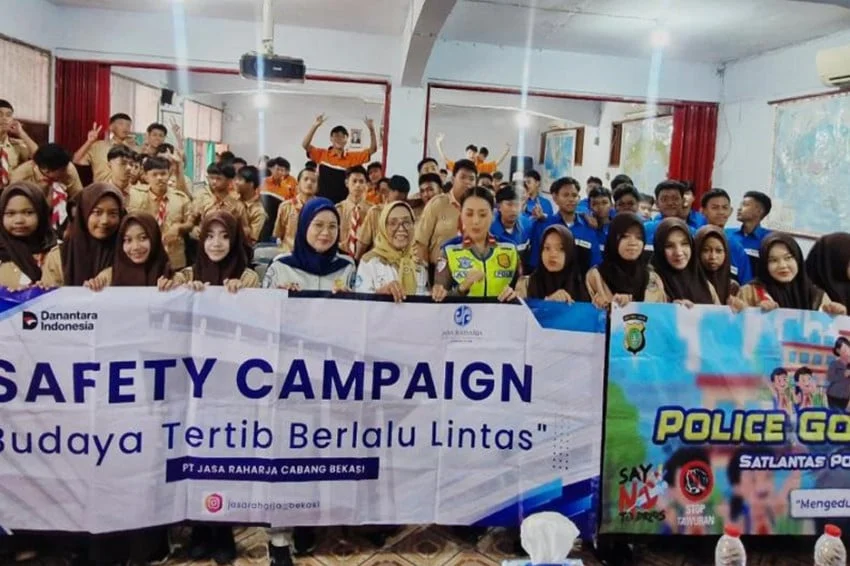
The 42nd commemoration of National Children’s Day has served as a pivotal moment for PT Jasa Raharja (Persero), the Indonesian state-owned enterprise responsible for insurance and road accident compensation, to underscore its unwavering commitment to fostering a culture of road safety from an early age. Amidst persistently high accident rates involving productive age groups and students, the strategic importance of preventive measures through comprehensive education is being recognized as a crucial investment in safeguarding the nation’s future generations. This initiative reflects a significant evolution in the company’s approach, moving beyond its traditional role of providing compensation to actively building public awareness and preventing accidents before they occur.
Deepening Commitment to Early Road Safety Education
Jasa Raharja’s intensified focus on preventive road safety programs within educational institutions marks a strategic shift in its corporate transformation. This proactive stance acknowledges that while compensation plays a vital role, the ultimate goal is to drastically reduce the incidence of road traffic accidents. By embedding safety principles early in life, the company aims to cultivate a generation of citizens who are inherently more aware of and responsible for road safety. This aligns with the broader national agenda to create a safer environment for all road users, particularly the most vulnerable.
The significance of National Children’s Day, observed on July 23rd, cannot be overstated. It serves as a national reminder of the rights and well-being of children, including their fundamental right to grow and thrive in safe environments. For Jasa Raharja, this day provides a specific platform to amplify its message and reinforce its dedication to protecting young lives on and around the roads.
A Multi-Generational Approach to Safety Awareness
Muhammad Awaluddin, the President Director of Jasa Raharja, articulated the company’s vision during a statement on Thursday, July 23, 2026. He emphasized that every child deserves to flourish in a secure setting, and this security extends to their daily activities, especially those involving transportation. "National Children’s Day serves as a reminder that child safety is our collective responsibility," Awaluddin stated. "Therefore, we will continue to strengthen education for students and university attendees as a long-term investment in creating a generation that is more aware of and concerned about road safety."
This statement highlights Jasa Raharja’s understanding that road safety education is not a one-size-fits-all endeavor. The company recognizes the necessity of a tiered approach, tailoring educational content and methodologies to align with the developmental stages of children and young adults. This commitment spans from early childhood education to the university level, ensuring that the messages are relevant, engaging, and impactful at each phase of a learner’s journey.
Strategic Outreach and Data-Driven Interventions
To operationalize this vision, Jasa Raharja has implemented a robust strategy for its "Safety Campaign" programs. These campaigns are meticulously designed to introduce and reinforce road safety culture in a manner appropriate for different age groups.
Chronology of Jasa Raharja’s Safety Campaign Efforts (January – July 2026):
-
Early Childhood Education (Kindergarten and Elementary Schools):
- Scope: 8 kindergartens and elementary schools.
- Participants: 198 young learners.
- Objective: To introduce foundational concepts of road safety, such as pedestrian awareness, understanding traffic signals, and the importance of wearing safety gear (if applicable to the context of their travel). The focus here is on building instinctive safe behaviors.
-
Secondary and Higher Education (High Schools and Universities):
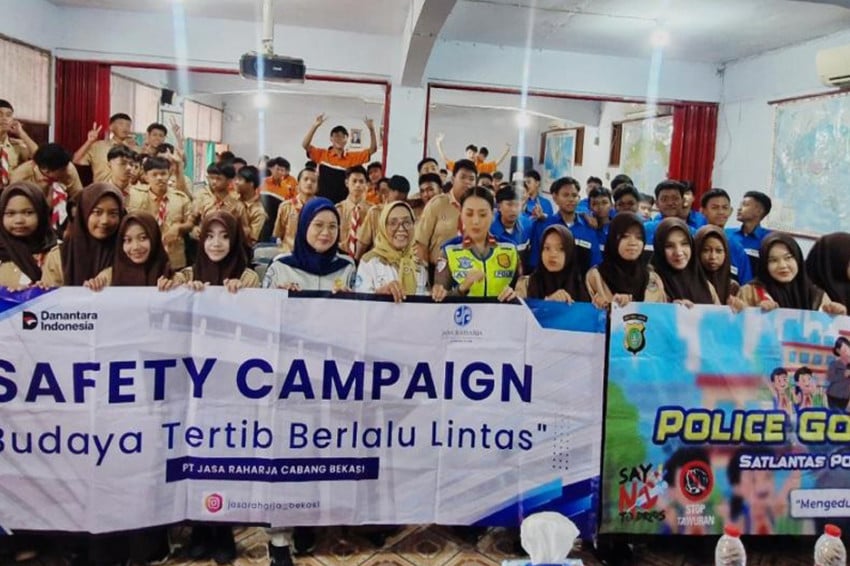
- Scope: 139 secondary schools and universities.
- Participants: 13,095 students and university attendees.
- Objective: This demographic represents a critical focus group due to their increasing independence and propensity to operate motorized vehicles. The education provided here delves deeper into responsible riding/driving practices, the dangers of speeding and reckless behavior, the impact of substance abuse on driving, and the legal and social consequences of traffic violations. The aim is to equip them with the knowledge and mindset to make informed and safe decisions on the road.
The significant number of participants in the secondary and higher education segments underscores Jasa Raharja’s strategic prioritization of this age group. Statistics from national road safety agencies consistently indicate that young adults and teenagers are disproportionately involved in road traffic accidents. Factors contributing to this include a combination of inexperience, risk-taking behaviors, and peer influence. By targeting these individuals directly, Jasa Raharja aims to intercept potentially dangerous behaviors before they lead to accidents.
The Broader Context: Indonesia’s Road Safety Challenges
Indonesia has long grappled with the pervasive issue of road traffic accidents. The nation’s vast archipelago, rapidly growing urbanization, and increasing vehicle ownership have contributed to a complex road safety landscape. According to data from the Indonesian National Police (Korlantas Polri), road accidents remain a leading cause of death and injury, with significant economic and social ramifications.
Supporting Data and Trends:
- Accident Statistics: While precise year-on-year figures fluctuate, reports from previous years have consistently shown tens of thousands of fatalities annually due to road accidents. A substantial percentage of these involve individuals in the 15-30 age bracket.
- Economic Impact: Road accidents incur substantial economic losses through medical expenses, property damage, loss of productivity, and rehabilitation costs. These losses place a burden not only on individuals and families but also on the national economy.
- Vulnerable Road Users: Children and young people, when not properly educated, are particularly vulnerable due to their limited experience and developing judgment. Their integration into the transportation system, whether as pedestrians, cyclists, or nascent drivers/riders, requires specific safety considerations.
The Indonesian government, through various ministries and agencies including the Ministry of Transportation and the National Police, has been implementing various road safety initiatives. These range from infrastructure improvements and stricter law enforcement to public awareness campaigns. Jasa Raharja’s role as an insurer and compensation provider positions it uniquely to understand the direct impact of these accidents and to leverage its resources for preventive efforts.
Analysis of Implications: A Proactive Investment in the Future
Jasa Raharja’s strategic shift towards preventive education, particularly on National Children’s Day, carries significant implications:
- Reduced Accident Rates and Fatalities: By instilling safe practices from a young age, the long-term goal is a measurable reduction in road accidents, injuries, and fatalities. This not only saves lives but also alleviates the burden on healthcare systems and emergency services.
- Economic Savings: Preventing accidents translates directly into economic savings. Reduced healthcare costs, less property damage, and a more productive workforce contribute to national economic well-being.
- Cultural Shift Towards Safety: Consistent and widespread education can foster a cultural shift where road safety is viewed as a shared responsibility and a fundamental aspect of responsible citizenship. This can influence societal norms and behaviors over time.
- Enhanced Corporate Social Responsibility: This initiative demonstrates Jasa Raharja’s commitment to its corporate social responsibility, moving beyond its core business to actively contribute to societal well-being and national development.
- Empowerment of Youth: Educating young people empowers them to make informed decisions, become advocates for safety within their peer groups, and ultimately contribute to creating safer communities.
Broader Impact and Future Outlook
The success of Jasa Raharja’s safety campaigns hinges on sustained effort and effective collaboration with educational institutions, parents, and other stakeholders. The company’s proactive approach, especially during significant national observances like National Children’s Day, serves as a powerful catalyst.
Related Initiatives and Synergies:
The article briefly mentions Puspadaya’s efforts to strengthen "child-friendly schools" in Jakarta. This highlights a growing ecosystem of organizations and initiatives focused on child welfare and safety. Jasa Raharja’s road safety education can be integrated with broader child protection agendas, creating a more holistic approach to safeguarding children.
Looking ahead, Jasa Raharja’s strategy of embedding safety education into the curriculum and daily life of young Indonesians is a testament to its forward-thinking vision. By investing in the awareness and behavior of its youth, the company is not just addressing a current problem but is actively shaping a safer future for Indonesia’s roads and its people. The commitment to continuous improvement, adapting educational content as societal and technological landscapes evolve, will be key to the long-term success of these vital road safety endeavors. This comprehensive approach underscores the understanding that true safety is built not just through regulations and enforcement, but through a deeply ingrained culture of care and responsibility.