ASUS Indonesia has publicly declared its ambitious strategic objective: to secure the top position as the number one commercial PC brand in the country by the close of 2027. This bold proclamation follows an extraordinary period of growth in its commercial laptop business, which witnessed a remarkable 117 percent expansion throughout 2025, propelling the company into the top three players in Indonesia’s highly competitive market. The announcement signals a significant pivot and intensified focus by the Taiwanese technology giant on the enterprise and small-to-medium business (SMB) segments, traditionally dominated by established players.
Aldy Ramadiansyah, Product Marketing for ASUS Indonesia, unveiled this aggressive target during a press briefing held in Jakarta on July 23, 2027, outlining the substantial progress and strategic roadmap for ASUS’s business laptop division in the archipelago. According to Ramadiansyah, the stellar 117 percent growth achieved in 2025 was a pivotal moment, not only cementing ASUS’s position among the leading three business laptop brands but also providing the foundational impetus for the company to pursue an even more formidable goal within the next two years. "Building upon this significant achievement, we are setting an even bolder vision. By the end of 2027, our target is to become the number one commercial PC brand in Indonesia," Ramadiansyah stated, underscoring the company’s confidence and strategic resolve.
A Remarkable Resurgence: From Stagnation to Market Challenger
ASUS’s current formidable standing in the Indonesian business laptop segment is the culmination of a multi-year strategic overhaul and recovery process, a journey Ramadiansyah candidly described as a revitalization from a period of "near-death" or stagnation. The company’s initial foray into the business sector, under the "ASUS Pro" moniker, faced significant challenges and experienced a period of virtual stagnation around 2019. This era marked a critical juncture for ASUS’s commercial ambitions, necessitating a comprehensive re-evaluation and restructuring of its product lines and market approach.
Following this period of introspection and strategic planning, ASUS undertook a significant transformation, rebranding and restructuring its business product portfolio under the "ExpertBook" series. This new line, launched with renewed focus and enhanced features, has since become the cornerstone of ASUS’s commercial laptop offerings in Indonesia. The transition to ExpertBook marked a clear turning point, initiating a consistent upward trajectory in the company’s market performance within the business laptop sector.
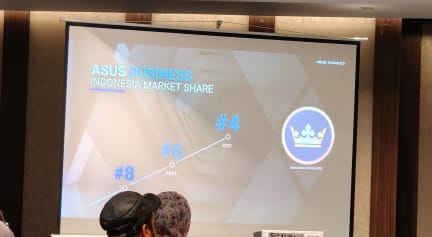
The chronological progression of ASUS’s ascent is particularly illustrative of its successful turnaround strategy. In 2023, the company held the eighth position in the Indonesian business laptop market. A year later, in 2024, ASUS had successfully climbed two ranks to secure the sixth spot. This upward momentum continued robustly into 2025, a landmark year during which ASUS not only broke into the top four but also, critically, earned a place among the top three business laptop brands based on its impressive market share growth rate. This meteoric rise from near obscurity to a top-tier contender in just a few years highlights the efficacy of the ExpertBook strategy and the company’s aggressive market penetration efforts.
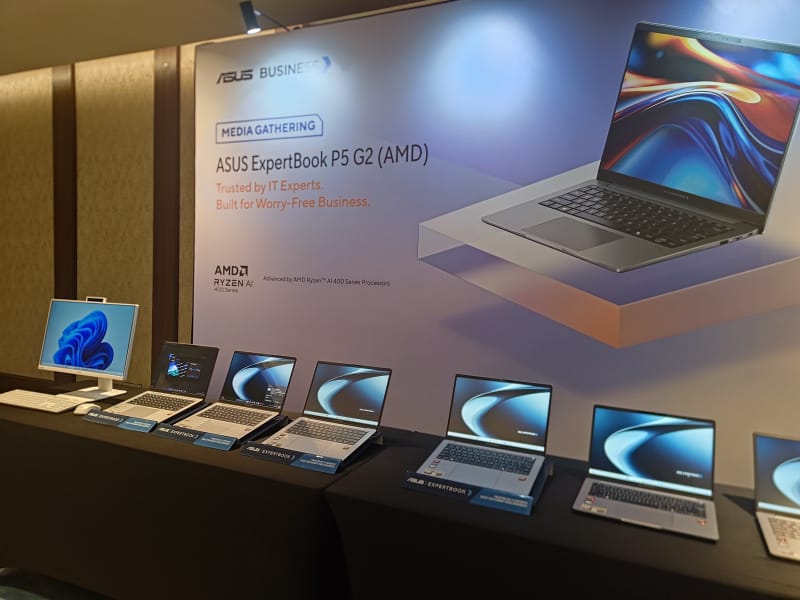
The ExpertBook series, designed specifically for the demanding requirements of corporate users, has been instrumental in this growth. Ramadiansyah emphasized that the ExpertBook line encompasses a wide array of products, spanning from entry-level models tailored for small and medium businesses (SMBs) to premium, high-performance machines engineered for large-scale enterprises. This comprehensive portfolio ensures that ASUS can address the diverse needs of various corporate segments, offering solutions that balance performance, durability, security, and cost-effectiveness.
Strategic Pillars for Market Leadership: Innovation, AI, and Ecosystem Expansion
ASUS’s ambition to claim the number one spot in the commercial PC segment by 2027 is a natural extension of its long-standing dominance in Indonesia’s consumer laptop market. Leveraging its strong brand recognition, extensive distribution networks, and established customer base in the consumer space, ASUS is now strategically channeling its resources and expertise to expand its footprint in the business sector. This segment is increasingly viewed as a fertile ground for growth, driven by several macro-economic and technological trends, including the widespread adoption of hybrid work models, accelerated digital transformation initiatives across industries, and the burgeoning demand for Artificial Intelligence (AI)-powered devices in corporate environments.
The continuous strengthening of the ExpertBook lineup is central to this strategy. ASUS has been proactive in launching new products that cater to the evolving and increasingly sophisticated needs of the business segment. This includes the integration of powerful AI-capable processors, such as the AMD Ryzen AI 300 series mentioned in a related article, which are designed to enhance productivity, facilitate complex data analysis, and improve user experience through advanced AI functionalities. Furthermore, ExpertBook laptops boast industry-standard durability certifications (e.g., MIL-STD 810H), ensuring robustness and reliability in diverse work settings. Enterprise-grade security features, including biometric authentication, TPM 2.0 chips, and advanced data protection protocols, are also standard, addressing critical concerns for corporate IT departments.
The combination of a robust product portfolio, bolstered by cutting-edge technology like AI integration, and the undeniable momentum of market share growth serves as the bedrock of ASUS’s roadmap towards its 2027 target. While Ramadiansyah did not elaborate on the granular operational details of the strategy, he affirmed that the company’s growth trajectory in the commercial segment would remain squarely focused on enhancing and expanding the ExpertBook series as its primary product driver. This implies ongoing investment in research and development, supply chain optimization, and aggressive marketing campaigns targeting specific business verticals.
The Evolving Landscape of Indonesia’s Commercial PC Market
Indonesia’s commercial PC market is a dynamic and increasingly crucial segment within the broader technology landscape. The nation’s burgeoning digital economy, coupled with government initiatives promoting digitalization across public and private sectors, has fueled a robust demand for business-grade computing solutions. The shift towards hybrid work models, accelerated by recent global events, has further amplified the need for reliable, secure, and high-performance laptops that can seamlessly support remote and in-office productivity.
Industry analysts estimate that the overall PC market in Indonesia, including both consumer and commercial segments, has been experiencing steady growth, with the commercial segment showing particular resilience and expansion. Factors such as regular hardware refresh cycles in large enterprises, the rapid growth of small and medium-sized enterprises (SMBs) adopting digital tools, and the increasing investment in IT infrastructure by various organizations contribute to this positive outlook. The advent of AI PCs is poised to be the next major growth driver, with businesses keen to leverage on-device AI capabilities for enhanced security, improved collaboration, and accelerated task execution.
ASUS’s 117 percent growth in 2025, while remarkable, also points to the significant headroom and market potential available, especially as the company works to challenge more entrenched players. This growth rate suggests effective channel penetration, successful product differentiation, and perhaps a responsive pricing strategy that resonated with Indonesian businesses.
Implications for Competition and Market Dynamics
ASUS’s explicit target to become the number one commercial PC player in Indonesia by 2027 places it in direct confrontation with several long-established brands that have historically commanded significant market share in the enterprise and business segments. Companies like Lenovo, HP, Dell, and Acer have built strong reputations, extensive service networks, and deep relationships with corporate clients over many years. ASUS’s aggressive pursuit of market leadership will undoubtedly intensify competition, potentially leading to:
- Increased Innovation: Competitors may accelerate their own R&D efforts, particularly in areas like AI integration, security features, and sustainable computing, to maintain their edge. This could benefit end-users with more advanced and feature-rich products.
- Price Competition: A more crowded and competitive top tier could lead to more aggressive pricing strategies, potentially making commercial PCs more accessible for SMBs and start-ups.
- Enhanced Service and Support: To differentiate themselves, brands might invest more in pre-sales consultation, after-sales support, and customized solutions for corporate clients, which is a critical factor in business purchasing decisions.
- Channel Partner Engagement: All players will likely double down on strengthening relationships with distributors, resellers, and system integrators who are crucial for reaching diverse business customers across the archipelago.
- Market Share Realignments: Should ASUS sustain its current growth trajectory, it is highly probable that market shares among the top players will shift, potentially disrupting the long-standing hierarchy.
The 117 percent growth in 2025 serves as a powerful initial indicator that ASUS’s repositioning strategy in the commercial segment is yielding tangible results, marking a definitive departure from its period of stagnation in the late 2010s. This resurgence is not merely a testament to product innovation but also to a refined understanding of the Indonesian business landscape and a robust execution strategy.
Challenges and Outlook
While the ambition is clear and the recent performance impressive, ASUS will face several challenges on its path to market leadership. These include:
- Sustaining Growth: Maintaining a triple-digit growth rate in a maturing market segment becomes increasingly difficult as market share grows.
- Brand Perception: While strong in consumer, ASUS needs to continually reinforce its image as a reliable, secure, and enterprise-grade solution provider in the commercial space.
- Service and Support Infrastructure: Competing with established players often requires a robust, nationwide service and support network tailored for enterprise clients, including rapid deployment and repair services.
- Supply Chain Resilience: Ensuring consistent availability of components and finished products amidst global supply chain uncertainties will be crucial.
- Channel Loyalty: Building deep, lasting relationships with commercial channel partners and securing major enterprise tenders takes time and consistent effort.
Despite these hurdles, ASUS’s strategic emphasis on the ExpertBook series, its proactive integration of AI technology, and its proven ability to navigate and grow within the Indonesian market position it as a formidable contender. The company’s consumer market strength provides a solid foundation, offering brand recognition and logistical advantages that newer entrants might lack.
The coming years will be critical in observing how ASUS executes its strategies and responds to the dynamic shifts in Indonesia’s commercial PC market. The journey towards the number one position by 2027 is an audacious one, but with its recent performance and strategic clarity, ASUS Indonesia is poised to be a significant force shaping the future of business computing in the nation. Further developments regarding ASUS’s operational strategies and evolving product portfolio in the commercial segment will be closely watched as the company races towards its ambitious deadline.