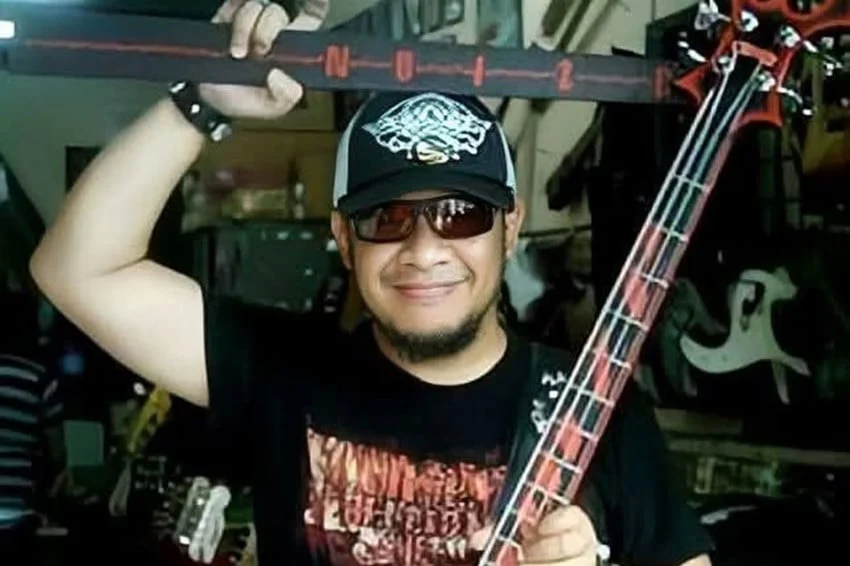
Bambang Sutrisno, widely known as Trisno, the bassist for the veteran Indonesian rock band Pas Band, is currently in a critical condition, battling a severe combination of advanced kidney failure and a blockage in his brain. The news has sent ripples of concern through the Indonesian music community and among the band’s dedicated fanbase, highlighting a stark reality about the often-overlooked health challenges faced by musicians.
A History of Ailments and Dismissed Symptoms
According to his bandmate, Sandy, Trisno, who is 55 years old, has a history of downplaying or outright ignoring the symptoms of his deteriorating health. This tendency towards a "rock and roll" lifestyle, as described by Sandy, has unfortunately led to a significant delay in seeking comprehensive medical attention, allowing his conditions to progress to a severe stage.
Sandy revealed that fellow members of Pas Band had noticed changes in Trisno’s physical appearance for several years. These observations included a noticeable decline in his weight and frequent swelling in his legs, which were evident both on stage during performances and during band rehearsals. Despite these visible signs, Trisno consistently resisted thorough medical examinations.
"Honestly, for several years, we’ve seen that something wasn’t right with Trisno’s health. But Trisno is very rock and roll; he really didn’t want to go to the doctor properly," Sandy stated on Thursday, July 23, 2026. This reluctance to seek professional medical advice has been a recurring theme in discussions about Trisno’s current predicament.
The Escalation of Health Concerns
It was only a few months prior to the current critical situation that Trisno’s health issues began to be formally diagnosed. During a medical examination, it was discovered that he was suffering from liver problems and high blood pressure. However, what was initially perceived as manageable conditions has, in a tragically short period, developed into a far more severe and life-threatening scenario. The progression from these initial diagnoses to advanced kidney failure and a brain blockage underscores the aggressive nature of his illness and the potential consequences of delayed treatment.
Understanding the Medical Conditions
Advanced Kidney Failure (End-Stage Renal Disease – ESRD)
Kidney failure, also known as renal failure, occurs when the kidneys lose their ability to effectively filter waste products and excess fluid from the blood. This waste then builds up in the body, leading to a range of serious health complications. Advanced kidney failure, or End-Stage Renal Disease (ESRD), represents the final stage of chronic kidney disease (CKD), where the kidneys have lost approximately 90% of their function.
At this stage, the body can no longer sustain itself without some form of renal replacement therapy, such as dialysis or a kidney transplant. Symptoms of ESRD can include:
- Fatigue and weakness: Due to anemia and the buildup of toxins.
- Swelling (edema): Particularly in the legs, ankles, and feet, caused by fluid retention.
- Nausea and vomiting: From the accumulation of waste products in the digestive system.
- Changes in urination: Including decreased output or changes in frequency.
- Shortness of breath: Due to fluid buildup in the lungs.
- Itching and skin rashes: From the buildup of waste products.
- High blood pressure: As the kidneys play a crucial role in blood pressure regulation.
- Anemia: The kidneys produce erythropoietin, a hormone that stimulates red blood cell production.
Trisno’s reported swelling in his legs is a classic symptom of fluid retention associated with advanced kidney failure.
Brain Blockage (Cerebral Obstruction)
A blockage in the brain can refer to several conditions, most commonly a stroke, which occurs when blood flow to a part of the brain is interrupted or severely reduced. This can be caused by a blood clot (ischemic stroke) or a ruptured blood vessel (hemorrhagic stroke). However, in the context of kidney failure, other types of blockages can also occur.
For instance, severe hypertension, a known complication of kidney disease, can lead to hypertensive encephalopathy, a condition where extremely high blood pressure damages the brain, potentially causing swelling and neurological dysfunction. Furthermore, individuals with kidney disease are at a higher risk of developing blood clots due to changes in their blood composition and increased inflammation. These clots could potentially travel to the brain, leading to an ischemic stroke.
Symptoms of a brain blockage are diverse and depend on the location and severity of the obstruction but can include:
- Sudden numbness or weakness: Especially on one side of the body.
- Sudden confusion: Difficulty speaking or understanding speech.
- Sudden trouble seeing: In one or both eyes.
- Sudden trouble walking: Dizziness, loss of balance, or coordination.
- Sudden severe headache: With no known cause.
The fact that Trisno is experiencing a brain blockage alongside advanced kidney failure suggests a complex interplay of medical issues, potentially exacerbated by his pre-existing conditions and delayed medical intervention.
The Role of High Blood Pressure and Liver Issues
The initial diagnosis of high blood pressure and liver problems are significant contributing factors. Uncontrolled hypertension is a leading cause of kidney damage and a major risk factor for stroke. The liver also plays a vital role in filtering toxins and producing proteins essential for blood clotting. Liver dysfunction can impact the body’s ability to manage these processes, potentially worsening other health conditions.
Chronology of Events (Inferred)
While a precise timeline is not fully detailed in the initial report, the following chronology can be inferred:
- Several Years Ago: Bandmates and associates begin noticing physical changes in Trisno, including weight loss and leg swelling, indicative of underlying health issues. Trisno consistently dismisses these concerns and avoids comprehensive medical checks.
- A Few Months Prior to July 2026: Trisno undergoes a medical examination, revealing the presence of liver problems and high blood pressure.
- Recent Period (leading up to July 2026): The conditions escalate significantly, leading to the diagnosis of advanced kidney failure and a blockage in the brain, placing Trisno in a critical state.
- July 23, 2026: Sandy, a bandmate, publicly shares the grave health status of Trisno.
Reactions from the Music Community and Fanbase
The news of Trisno’s critical condition has undoubtedly cast a somber mood over the Indonesian music scene. Pas Band, formed in 1990, has been a significant force in Indonesian rock music, known for their distinctive style and enduring popularity. Trisno, as their bassist, has been an integral part of their musical identity for decades.
While specific statements from other band members or industry figures are not yet available in the provided text, it is highly probable that messages of support, prayers, and concern are being expressed through social media platforms and private channels. Fans of Pas Band are likely to be mobilizing online, sharing memories of Trisno’s performances and expressing hopes for his recovery. The band’s social media pages would typically become a hub for such expressions of solidarity.
Broader Implications and Health Awareness
Trisno’s situation serves as a potent reminder of the importance of proactive health management, particularly for individuals in demanding professions like musicians, who often face irregular schedules, demanding tours, and the pressures of public life. The tendency to prioritize career over personal well-being can have severe consequences.
- The "Rock and Roll" Stereotype: The narrative of Trisno’s reluctance to seek medical help, often associated with a "rock and roll" lifestyle, highlights a cultural stereotype that can be detrimental to health. This perception needs to be challenged, emphasizing that longevity and continued contribution to art are best supported by a commitment to health.
- Importance of Regular Health Screenings: The case underscores the critical need for regular health check-ups, especially as individuals age or if they have pre-existing risk factors. Early detection of conditions like kidney disease, hypertension, and liver issues can significantly improve treatment outcomes and prevent progression to severe stages.
- Support Systems for Musicians: The incident might also prompt discussions about the support systems available for musicians. Are there adequate health insurance schemes, wellness programs, or accessible healthcare resources tailored to the unique challenges faced by artists in Indonesia?
The medical costs associated with treating advanced kidney failure and a brain blockage are substantial, often involving long-term dialysis, potential surgeries, medication, and ongoing medical care. This raises questions about potential fundraising efforts or community support initiatives that may be organized by the band, their management, or their fans to assist Trisno and his family with the financial burden of his treatment.
As Trisno battles for his life, the Indonesian music fraternity and his legion of fans will be holding onto hope for his recovery, while his story serves as a stark and necessary lesson on the paramount importance of prioritizing health. The coming days will be crucial in determining his prognosis, and the focus remains on providing him with the best possible medical care during this challenging period.