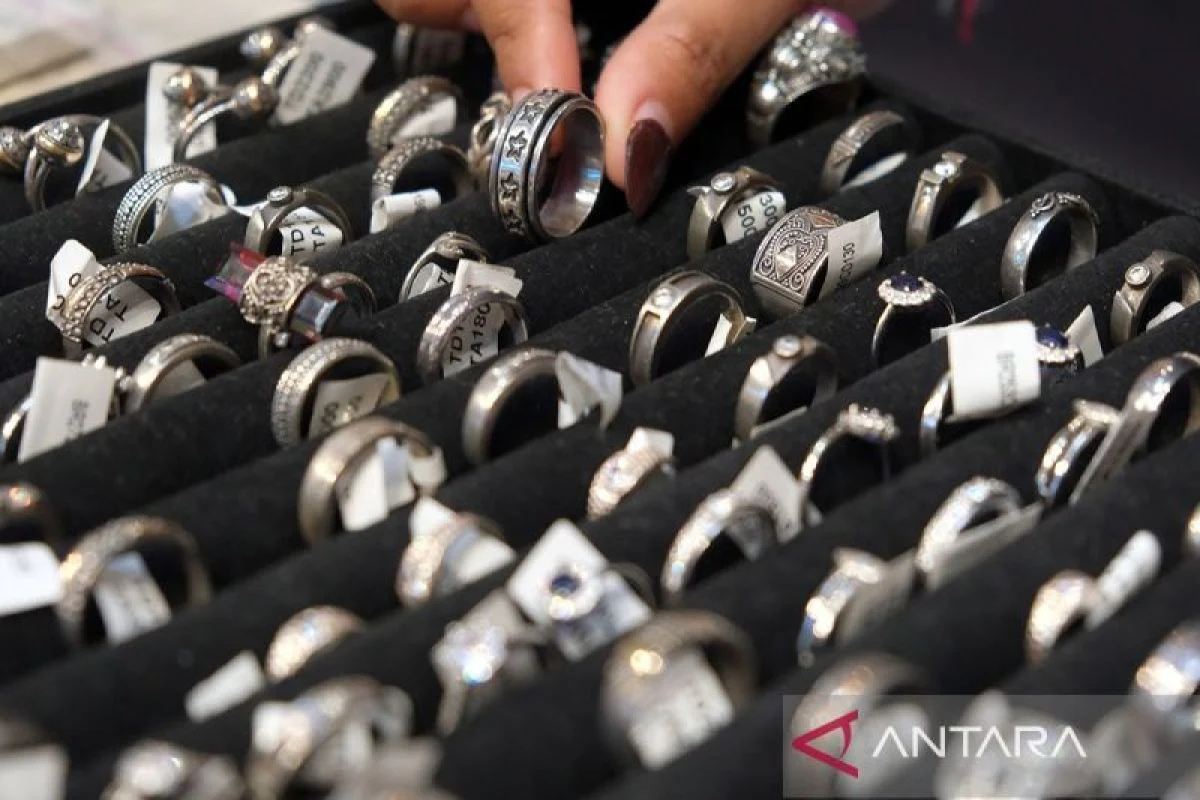
Jakarta (ANTARA) – Beyond gold, silver stands as another prominent precious metal, increasingly recognized for its strategic value as an investment instrument. Its popularity has surged consistently, driven by a growing public awareness of its multifaceted profit potential in the burgeoning future economy. For prospective investors, engaging with silver investments is facilitated through various official channels, including established formal financial institutions and reputable vendors specializing in precious metals, all operating with verified credibility and regulatory oversight.
Defining Silver’s Enduring Essence
At its core, silver, as detailed by sources such as Sahabat Pegadaian, is characterized by its distinctive metallic gray luster. Far from merely an aesthetically pleasing metal, silver possesses significant economic value, coupled with an exceptionally high degree of electrical and thermal conductivity. Its inherent malleability and ductility make it an indispensable element across a myriad of global trade and industrial applications. Historically, silver has occupied an esteemed position in human civilization, transitioning from ancient forms of currency and bartering tools to a symbol of opulence for nobility, manifested in intricate jewelry and sophisticated household items. This rich history underscores its intrinsic value and enduring appeal.
The Ascent of Silver as a Modern Investment
In the rapidly accelerating era of digitalization, silver has undergone a profound transformation, evolving into a highly liquid and strategically significant financial asset. The massive expansion of smart technology devices, advanced robotics, and renewable energy infrastructure globally has triggered an unprecedented surge in demand for silver as a critical raw material. This escalating industrial requirement is a primary catalyst behind the heightened investor interest in the metal, a trend widely projected to intensify robustly in tandem with the world’s increasing reliance on future technological innovation. This dual role—as both an industrial commodity and a store of value—lends silver a unique dynamic in the investment landscape, often distinguishing it from its more purely monetary counterpart, gold.
Driving Forces: Industrial Demand and Technological Innovation
The contemporary demand for silver is overwhelmingly dominated by its industrial applications, which account for over half of its annual consumption. This is a crucial distinction from gold, where investment and jewelry demand typically outweigh industrial use. Silver’s unparalleled electrical conductivity, thermal conductivity, and reflectivity make it indispensable in a wide array of high-tech sectors.
- Electronics: From smartphones, laptops, and tablets to RFID chips and LED lighting, silver is an essential component in nearly every electronic device. Its ability to conduct electricity efficiently and reliably is paramount for the performance of these devices.
- Solar Energy: The burgeoning solar photovoltaic (PV) industry is a significant driver of silver demand. Silver paste is used in solar cells to conduct the electricity generated from sunlight. As global efforts to transition to renewable energy intensify, the demand for silver in solar panels is expected to continue its upward trajectory. Forecasts by industry bodies often project sustained growth in this sector, with some estimating that solar energy could account for an even larger share of global silver demand in the coming decade.
- Automotive Industry: The electrification of the automotive sector, particularly the rise of electric vehicles (EVs), presents another substantial growth area for silver. EVs contain a considerably higher amount of silver per vehicle compared to traditional internal combustion engines, primarily in their electrical contacts, battery management systems, and various sensors. As EV adoption accelerates globally, the automotive sector’s demand for silver is poised for significant expansion.
- 5G Technology: The rollout of 5G infrastructure, with its demand for higher bandwidth and faster data transmission, also necessitates increased use of silver in connectors, switches, and various components crucial for next-generation telecommunications.
- Medical Applications: Silver’s antimicrobial properties have long been recognized, leading to its use in medical instruments, wound dressings, and antibacterial coatings. This niche but critical application continues to contribute to overall demand.
This robust and diversified industrial demand acts as a fundamental floor for silver prices, differentiating it from assets whose value is purely speculative or sentiment-driven. The ongoing technological revolution ensures a sustained need for silver, making it a critical strategic resource in the global economy.
Silver as a Diversifier: A Comparative Perspective
While often overshadowed by gold, silver shares many of its "safe-haven" characteristics, making it an attractive asset for portfolio diversification, particularly during periods of economic uncertainty or inflation. Both metals are tangible assets that tend to retain value when fiat currencies or traditional financial markets falter. However, silver exhibits a higher beta compared to gold, meaning its price movements tend to be more volatile and pronounced. It often outperforms gold during bull markets and can experience sharper declines during downturns. This amplified sensitivity to economic cycles is largely attributed to its significant industrial demand component; when the global economy is robust, industrial demand for silver surges, pushing prices higher. Conversely, economic slowdowns can depress industrial demand, impacting silver prices more severely than gold.
Historically, the gold-to-silver ratio (the number of ounces of silver required to buy one ounce of gold) has served as an indicator of relative value. A high ratio might suggest silver is undervalued relative to gold, while a low ratio could indicate the opposite. This ratio has fluctuated significantly over time, reflecting changes in market dynamics, industrial demand, and investor sentiment. Understanding this dynamic is crucial for investors considering either metal.
Navigating the Investment Landscape: Types of Silver for Investors
It is paramount for all investors, especially those new to precious metals, to discern that not all forms of silver are equally suitable for investment purposes. The primary objective of precious metal investment is typically capital preservation and appreciation, which hinges significantly on the metal’s purity and liquidity.
1. Fine Silver (Investment-Grade Silver):
The most highly recommended instrument for investment is fine silver, which boasts a purity level of up to 99.9% (often denoted as .999 pure or 999 fine). This category primarily includes:
- Silver Bars (Ingots): Available in various weights, from small fractional ounces to large kilo bars and even 1,000-ounce industrial bars, these are favored for their low premium over the spot price and ease of storage. They are typically stamped with their weight, purity, and often a unique serial number and the refiner’s hallmark.
- Silver Coins (Bullion Coins): These are government-minted coins produced specifically for investment, not for circulation. Examples include the American Silver Eagle, Canadian Silver Maple Leaf, Austrian Philharmonic, and Mexican Silver Libertad. While they often carry a slightly higher premium than bars due to their numismatic appeal and government backing, they are highly recognized and liquid.
- Silver Rounds: Similar to bullion coins in appearance but minted by private refiners, not governments. They offer a cost-effective way to acquire silver with various designs.
- Silver Grains/Shot: Small granules of pure silver, often used by jewelers or industrial consumers, but also available to investors. They offer high purity but can be less convenient to store and liquidate in smaller quantities.
Due to their extremely high concentration of silver without significant alloying metals, fine silver products are notably soft and prone to scratching or denting. This characteristic makes them less practical for use in everyday jewelry, where durability is a key concern.
2. Sterling Silver (Jewelry-Grade Silver):
Conversely, the silver commonly encountered in jewelry and silverware is typically sterling silver. This alloy consists of 92.5% pure silver and 7.5% other metals, most commonly copper or nickel. The addition of these base metals significantly enhances the silver’s hardness, strength, and durability, making it far more suitable for crafting intricate and resilient pieces that withstand daily wear.
While silver jewelry can certainly be collected and holds aesthetic value, its intrinsic value as a pure investment instrument is generally lower compared to fine silver bars or coins. This is primarily due to two factors: the reduced purity level (92.5% versus 99.9%) and the significant "fabrication premium" or "mark-up" associated with design, craftsmanship, and retail distribution. Therefore, while a beautiful sterling silver necklace might appreciate in value over time due to its artistry or brand, its primary function is not typically as a direct commodity investment.
Understanding Purity and Form: The Investor’s Imperative
The principle is straightforward: the higher the purity, the more ideal the asset is for investment. This applies universally to both gold and silver. For long-term investment strategies focused on wealth preservation and capital growth, bullion in bar or coin form is consistently recommended over jewelry. This focus on purity and standardized forms ensures that the investor is primarily buying the metal itself, with minimal additional costs or subjective valuations based on design or craftsmanship.
However, it is crucial to clarify that this does not negate the potential for silver in jewelry form to appreciate or hold value. Collectible antique silver pieces, designer jewelry, or items with historical significance can indeed be valuable assets. Yet, for straightforward commodity investment, the focus remains on the raw metal content and purity.
Channels for Silver Investment
To embark on silver investment, individuals have several primary methods available in the market:
-
Physical Silver: This involves purchasing and taking direct possession of silver bars, coins, or rounds.
- Pros: Direct ownership, no counterparty risk, tangible asset.
- Cons: Storage costs and security concerns, potential for higher premiums, liquidity challenges for very large quantities.
- Acquisition: Reputable bullion dealers (online and brick-and-mortar), precious metal exchanges, and some authorized financial institutions. Due diligence on vendor credibility is paramount to avoid counterfeit products.
-
Silver Exchange-Traded Funds (ETFs): These financial instruments track the price of silver, allowing investors to gain exposure to the metal without physically owning it.
- Pros: High liquidity, ease of trading on stock exchanges, lower transaction costs compared to physical silver, no storage concerns.
- Cons: Do not offer direct ownership of physical silver, subject to management fees, potential counterparty risk depending on the fund’s structure (some are backed by physical silver, others by derivatives).
-
Silver Mining Stocks: Investing in companies that mine silver provides indirect exposure to silver prices.
- Pros: Potential for significant leverage to silver price movements (as profits can rise sharply with higher silver prices), opportunity for dividend income.
- Cons: Exposed to company-specific risks (management, operational issues, geopolitical risks in mining regions), equity market volatility, not a direct silver investment.
-
Silver Futures and Options: These are derivative contracts that allow investors to speculate on the future price of silver.
- Pros: High leverage, can profit from both rising and falling prices.
- Cons: High risk, suitable only for experienced investors, requires deep understanding of market dynamics, potential for significant losses.
Historical Context and Market Dynamics
Silver’s journey as an economic tool predates recorded history. It was one of the first metals used by humans, initially for ornaments and later as coinage. Ancient civilizations from Mesopotamia to Egypt and Greece valued silver highly, often using it alongside gold in bimetallic monetary systems. The Roman Empire’s silver denarius, for example, was a cornerstone of its economy for centuries. The Spanish colonial era saw a massive influx of silver from the Americas to Europe, profoundly impacting global trade and economic development.
In the modern era, particularly after the abandonment of the silver standard in the 19th and early 20th centuries, silver transitioned from a primary monetary metal to primarily an industrial commodity with significant investment appeal. Its price is now influenced by a complex interplay of factors:
- Industrial Demand: As detailed, this is a major driver, sensitive to global economic health and technological advancements.
- Investment Demand: Influenced by inflation expectations, geopolitical instability, interest rate policies, and overall investor confidence in financial markets.
- Supply: Primarily from mining, with significant contributions from recycling. Mine production can be affected by operational issues, labor disputes, and environmental regulations.
- U.S. Dollar Strength: As a dollar-denominated commodity, a stronger dollar typically makes silver more expensive for holders of other currencies, potentially dampening demand.
- Interest Rates: Higher real interest rates can make non-yielding assets like silver less attractive compared to interest-bearing investments.
- Geopolitical Events: Conflicts, trade wars, or major political upheavals can trigger safe-haven buying, boosting silver prices.
Analyst Outlook and Future Projections
Market analysts and industry experts largely maintain a bullish long-term outlook for silver, citing its irreplaceable role in the green energy transition and advanced technology. The Silver Institute, a leading authority on the global silver market, consistently highlights the growing demand from solar power, 5G technology, and electric vehicles as key drivers. While short-term price fluctuations are inherent to commodity markets, the fundamental supply-demand dynamics are seen as supportive of higher silver prices over the next decade. Some projections even suggest that industrial demand could push silver into a structural deficit in the coming years, potentially leading to significant price appreciation. Financial institutions are increasingly recommending silver as a strategic component for diversified portfolios, acknowledging its potential for capital growth and its hedge against inflation.
Strategic Considerations for Investors
For investors considering silver, several strategic points are crucial:
- Due Diligence: Thoroughly research any vendor or financial product before committing capital. Verify purity, authenticity, and storage solutions for physical silver.
- Diversification: Silver should typically be part of a broader, diversified investment portfolio, not the sole asset. Its volatility necessitates a balanced approach.
- Storage: For physical silver, secure storage solutions (home safe, third-party vaults) are essential. Factor in associated costs.
- Liquidity: Understand how easily your chosen form of silver can be converted back into cash. Bullion bars and recognized coins are generally more liquid than unique jewelry pieces.
- Market Monitoring: Stay informed about global economic trends, technological developments, and specific market reports pertaining to silver.
Ultimately, for investors pursuing long-term value stability and growth, high-purity silver bullion remains the benchmark. Its historical significance, combined with its burgeoning industrial applications in the digital and green economy, positions silver as an increasingly indispensable and compelling investment asset for the future.
Pewarta: Putri Atika Chairulia
Editor: Alviansyah Pasaribu
Copyright © ANTARA 2025
Dilarang keras mengambil konten, melakukan crawling atau pengindeksan otomatis untuk AI di situs web ini tanpa izin tertulis dari Kantor Berita ANTARA.