JAKARTA – In the wake of a devastating inter-village conflict that claimed at least three lives, injured numerous residents, and destroyed dozens of homes, Minister of Human Rights Natalius Pigai has issued a direct order for the immediate resolution of the escalating tensions in East Adonara District, Flores Timur Regency, East Nusa Tenggara (NTT). The minister specifically instructed the NTT Regional Office of the Ministry of Human Rights (Kanwil Kemenham NTT), alongside a dedicated Special Staff, to deploy to the conflict zone and prioritize a cultural approach in peacebuilding efforts, deeming it significantly more effective than traditional law enforcement methods alone. This directive, articulated by Minister Pigai on Sunday, July 19, 2026, underscores the central government’s commitment to addressing deep-seated communal disputes with sensitivity to local customs and social structures, while also ensuring the protection of human rights for all affected populations.
The severe clashes, which reportedly erupted between two unnamed villages within East Adonara, have plunged the region into a state of instability. Preliminary reports indicate a grim toll: three fatalities, an unspecified number of residents sustaining injuries requiring medical attention, and at least twenty residential structures razed to the ground, leaving scores of families displaced and without shelter. The material losses are substantial, impacting livelihoods and exacerbating an already challenging socio-economic landscape on Adonara Island. The incident has prompted widespread concern, highlighting the urgent need for a comprehensive and sustainable peacebuilding strategy that extends beyond immediate security interventions.
Background to Adonara and Flores Timur Conflicts
Adonara Island, part of the larger Flores Timur Regency in NTT, is an archipelago region known for its rich cultural diversity, but also for its historical susceptibility to communal conflicts. These disputes often stem from a complex interplay of factors, including unresolved land ownership claims, traditional boundary disputes, resource competition (especially over water and agricultural land), ancestral rivalries, and occasional misunderstandings exacerbated by social media or individual provocations. The rugged topography and sometimes limited access to formal justice mechanisms can further entrench disputes, leading communities to resort to traditional, and sometimes violent, means of redress. The region’s strong adherence to customary law (hukum adat) means that community leaders and traditional councils often hold significant sway, making their involvement critical in any genuine peace process.
Historically, Adonara and neighboring islands in NTT have witnessed cycles of inter-communal violence. While the specifics of each conflict vary, a common thread is the deep-seated identity politics and the importance of clan and village affiliations. Previous conflicts, though perhaps not always garnering national headlines, have demonstrated the fragility of peace in areas where underlying grievances are not adequately addressed. Government and non-governmental organizations have long recognized the need for context-specific approaches that integrate formal legal frameworks with traditional conflict resolution mechanisms to achieve lasting peace. The current incident in East Adonara is a stark reminder of these persistent challenges and the need for proactive engagement from all levels of governance.
Chronology of the East Adonara Conflict
While the precise spark that ignited the latest violence remains under investigation, reports suggest that tensions had been simmering for some time between the two involved villages. The escalation into open conflict is believed to have occurred in the days immediately preceding Minister Pigai’s statement on July 19, 2026.
- Early July 2026: Initial signs of heightened tension and minor altercations were reportedly observed between residents of the two villages, possibly linked to a land dispute or a social incident. Local authorities may have been aware of these growing frictions but were unable to de-escalate effectively through preliminary mediation efforts.
- Mid-July 2026 (Specific Date Under Investigation): The situation rapidly deteriorated, culminating in widespread clashes. Reports indicate that large groups of residents from opposing villages confronted each other, leading to physical altercations, the use of various traditional and improvised weapons, and ultimately, the tragic loss of life. Eyewitness accounts suggest the conflict quickly escalated beyond control of local security patrols.
- Immediately Following Clashes: The violence intensified to include acts of arson, with dozens of homes deliberately set ablaze. This destructive phase forced countless families to flee their residences, seeking refuge with relatives in safer areas or in temporary shelters established by local disaster management agencies. The smoke plumes from the burning structures were visible for miles, signaling the severity of the situation.
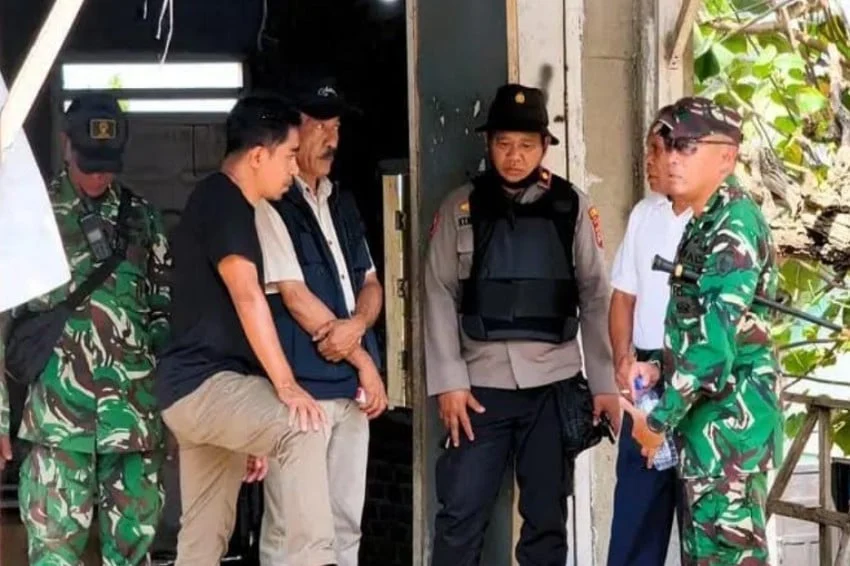
- Deployment of Security Forces: Local police and military personnel were swiftly dispatched to the scene to quell the violence, establish a security perimeter, and restore order. Their immediate objective was to separate the warring factions, evacuate the injured, and prevent further bloodshed. Initial humanitarian aid efforts would have likely commenced shortly thereafter, albeit challenged by the volatile environment and damaged infrastructure.
- July 19, 2026: Minister of Human Rights Natalius Pigai, upon receiving initial reports detailing the casualties and extensive destruction, issued his directive from Jakarta. This marked a significant escalation of the central government’s involvement, emphasizing a shift towards a more nuanced, culturally-informed resolution strategy rather than solely relying on punitive measures.
- Post-Directive: The Kanwil Kemenham NTT and the Special Staff began immediate preparations for their deployment, coordinating with local authorities, traditional leaders, and religious figures to facilitate their arrival and commence the peacebuilding mission. Security forces continued to maintain a robust presence in the affected area to prevent any resurgence of violence while investigations into the precise causes and perpetrators of the conflict began. Humanitarian agencies also scaled up their operations, providing crucial relief to the displaced.
This timeline highlights the rapid progression from underlying tensions to full-blown conflict and the subsequent, swift response from the central government, signaling the gravity of the situation and the imperative to prevent its recurrence. The destructive capacity of such communal clashes underscores the fragility of peace in regions where grievances fester.
The Efficacy of a Cultural Approach: A Deeper Dive
Minister Pigai’s strong advocacy for a cultural approach is rooted in extensive experience with similar conflicts across Indonesia, particularly in regions with strong traditional governance systems. He posited that "based on experience handling cases there, we assess that an approach through cultural solutions is far more effective than policing." This perspective challenges the conventional reliance on purely punitive legal frameworks, arguing that while law enforcement is crucial for immediate stability and accountability, it often fails to address the root causes of communal discord or to foster genuine reconciliation. The Minister’s stance acknowledges that deep-seated communal issues often require solutions that resonate with the local ethos and social fabric, rather than externally imposed remedies.
A cultural approach, in the context of Adonara, typically involves several key components:
- Engagement with Adat Leaders: Empowering and collaborating with traditional leaders (kepala suku, tetua adat) who command inherent respect and authority within their communities. These leaders are often custodians of customary laws, traditional wisdom, and dispute resolution mechanisms that have been passed down through generations, making them invaluable mediators. Their legitimacy within the community often surpasses that of formal state actors in resolving intra-communal disputes.
- Restorative Justice Principles: Focusing on restoring harmony and relationships rather than solely on punishment. This can involve customary rituals, public apologies, compensation (ganti rugi) according to adat law, and communal agreements designed to mend fractured social fabric. The emphasis is on healing societal wounds and re-establishing equilibrium, rather than just assigning blame.
- Community Dialogue and Consensus Building: Facilitating open discussions between conflicting parties in a culturally appropriate setting, allowing grievances to be aired, understood, and collectively resolved. This process often aims for consensus (musyawarah mufakat) rather than adversarial outcomes, fostering a sense of shared ownership over the resolution. Traditional meeting places or sacred sites might be utilized to lend solemnity and weight to these discussions.
- Reaffirmation of Shared Values: Emphasizing common heritage, kinship ties, and shared religious or spiritual beliefs that often transcend immediate disputes, thereby rebuilding a sense of communal identity and shared destiny. Leaders often remind communities of their interdependencies and long-standing historical connections to encourage reconciliation.
- Prevention Mechanisms: Establishing or strengthening traditional mechanisms for early warning and conflict mediation, ensuring that minor disagreements do not escalate into full-blown violence. This proactive element is vital for long-term peace, identifying potential flashpoints before they ignite.
The perceived effectiveness of this approach lies in its ability to tap into the intrinsic social capital and moral authority embedded within traditional structures. Unlike external imposition, culturally-sensitive interventions are more likely to be accepted and internalized by the communities themselves, leading to more sustainable peace outcomes. Furthermore, it aims to heal the emotional wounds and rebuild trust, which is often difficult to achieve through formal legal proceedings alone. The cultural approach recognizes that true peace is not merely the absence of violence, but the presence of justice, respect, and mutual understanding.
Official Responses and Coordinated Efforts
The ministerial directive signifies a multi-pronged strategy involving various stakeholders, underscoring a holistic governmental response. Minister Pigai emphasized that the on-the-ground monitoring aims to provide a comprehensive understanding of the post-conflict situation, enabling the identification of necessary steps for a peaceful resolution. The insights gathered will be crucial for effective coordination with:
- Local Government: The Regent of Flores Timur and other regional administrators will play a pivotal role in implementing humanitarian aid, rebuilding infrastructure, and integrating traditional peace efforts with broader development plans. Their administrative authority is essential for resource mobilization, logistical support, and long-term recovery initiatives, including housing reconstruction and livelihood restoration programs.
- Traditional and Religious Leaders: These figures are indispensable to the peace process. Their moral authority and deep understanding of local customs, rituals, and societal norms make them critical mediators and facilitators in the reconciliation process. Their involvement ensures that solutions resonate with community values and traditions, fostering genuine acceptance and adherence to agreements. The Ministry of Human Rights will work closely with these leaders to ensure their pivotal role is respected and empowered.
- Security Forces: While a cultural approach is prioritized, the presence of security forces (police and military) remains vital for maintaining law and order, preventing further violence, and ensuring the safety of all participants involved in peace talks. Their role shifts from direct intervention to providing a secure environment for dialogue, protecting humanitarian aid convoys, and assisting in the investigation of criminal acts while upholding human rights principles.
- Community Stakeholders: This broad category includes youth groups, women’s organizations, educators, and local non-governmental organizations, all of whom can contribute significantly to peace education, trauma healing initiatives, and community-led programs for social cohesion. Engaging these diverse groups ensures that the peace process is inclusive and addresses the needs and perspectives of all segments of the affected population.
Minister Pigai reiterated the Ministry of Human Rights’ commitment to continuous coordination, stressing the imperative to ensure that the resolution process is peaceful, respects human rights, and instills a sense of security for all affected citizens. The Ministry’s specific involvement also highlights the need to address any potential human rights violations that might have occurred during the conflict or in its aftermath, ensuring accountability and justice for victims while simultaneously pursuing reconciliation. This dual approach aims to prevent impunity while building a foundation for lasting peace.
Broader Impact and Implications
The Adonara conflict and the central government’s culturally-oriented response carry significant broader implications for regional stability, governance, and peacebuilding strategies across Indonesia.
- Reinforcing the Role of Customary Law: The emphasis on a cultural approach underscores the enduring relevance and potential of hukum adat (customary law) in contemporary Indonesian society. It signals a recognition that formal legal systems alone may not always be sufficient to address complex communal disputes, particularly in diverse archipelagic nations where traditional norms often hold sway. This could encourage further integration of traditional justice mechanisms into national peacebuilding frameworks, promoting a more hybrid legal system that respects local traditions.
- Precedent for Future Conflicts: Should the Adonara approach prove successful in achieving lasting peace and reconciliation, it could serve as a vital model for resolving similar inter-communal conflicts across Indonesia, particularly in regions with strong traditional institutions. This could lead to a more nuanced, culturally informed national strategy for conflict resolution, moving beyond a "one-size-fits-all" approach.
- Challenges of Implementation: While promising, the cultural approach is not without its challenges. Ensuring impartiality among traditional leaders, balancing customary law with national human rights standards, and preventing the re-emergence of grievances in the long term requires careful navigation. The involvement of the Ministry of Human Rights is crucial in ensuring that traditional practices do not inadvertently infringe upon universal human rights, particularly for vulnerable groups such as women, children, and minorities, and that justice is perceived to be fair and equitable.
- Economic and Social Disruption: Beyond the immediate casualties, the conflict has caused significant economic disruption. Livelihoods dependent on agriculture and local trade will be severely impacted, and the destruction of homes represents a massive setback for development efforts. The displacement of families also creates immediate humanitarian needs for shelter, food, and medical care, alongside long-term psychological support for trauma survivors who have witnessed or experienced violence and loss. The rebuilding process will require substantial financial and human resources.
- Trust in Governance: The effectiveness of the government’s response will significantly influence public trust in both local and central authorities. A swift, effective, and just resolution that demonstrably improves the lives of affected communities can reinforce the legitimacy of governance, while prolonged instability or perceived injustice could erode it, leading to further alienation and potential for future unrest.
- Need for Sustainable Development: Ultimately, lasting peace in Adonara, and similar regions, depends on addressing the underlying socio-economic disparities and resource pressures that often fuel conflicts. Investments in education, sustainable economic opportunities, equitable resource management, and improved access to basic services are critical complements to any peacebuilding efforts. Without addressing these root causes, peace efforts risk being temporary.
Minister Pigai’s concluding remarks encapsulate the overarching objective: "We hope the situation in Adonara will soon be conducive so that society can return to its normal activities." This sentiment reflects not just a desire for the cessation of hostilities but a vision for a community that can heal, rebuild, and thrive, free from the shadow of violence. The coming months will be critical in determining the success of this culturally-rooted peace initiative and its potential to forge a more resilient and harmonious future for the people of Adonara. The eyes of the nation will be on Flores Timur, watching how this complex tapestry of traditional wisdom and modern governance weaves a path towards lasting reconciliation and sustainable development.