The seemingly mundane practice of disposing of used sanitary pads has ignited a fresh wave of debate across social media platforms, prompting a closer examination of a habit many consider routine. The core of the discussion revolves around whether disposable sanitary pads should be washed before being thrown away, a practice some deem more polite or hygienic. This article delves into the prevailing health recommendations, explores the cultural underpinnings of this practice in regions like Indonesia, and analyzes the broader implications of such ingrained habits.
For many, the idea of simply discarding a used sanitary pad, especially one visibly soiled with menstrual blood, feels inherently unhygienic or disrespectful. This sentiment often drives individuals to rinse the pad, attempting to remove any visible residue before wrapping it for disposal. Conversely, others opt for direct disposal, often wrapping the used pad discreetly to avoid any visual offense. This divergence in practice raises a critical question: what is the medically sound and environmentally responsible approach?
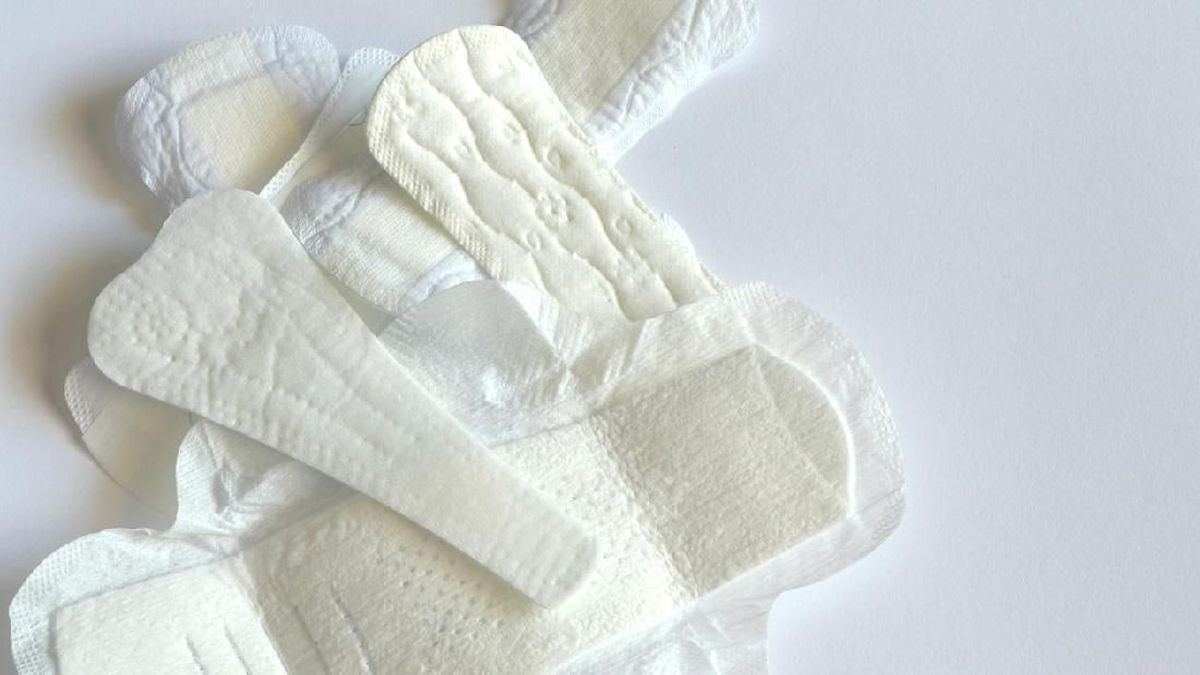
According to the World Health Organization (WHO), in its comprehensive guidelines on menstrual health, there is no medical necessity to wash disposable sanitary pads before disposal. The primary recommendation from health authorities centers on proper disposal methods tailored to the specific product used. For disposable sanitary pads, the key is to ensure they are wrapped securely to contain any discharge and prevent environmental contamination, and then discarded in an appropriate waste receptacle.
The WHO emphasizes that menstrual hygiene management should be product-specific. Reusable menstrual products, such as cloth pads or menstrual cups, naturally require a different protocol. These items are designed for repeated use and, therefore, necessitate thorough washing with soap and water, followed by complete drying, before they can be safely used again. This distinction highlights a fundamental difference in the intended use and disposal of disposable versus reusable menstrual products.
The Cultural Roots of Washing Disposable Pads
Despite the clear recommendations from global health bodies, the practice of washing disposable sanitary pads remains surprisingly prevalent in certain regions, notably Indonesia. A study titled "A Study on Menstrual Hygiene Management in West Java, Indonesia," shed significant light on this phenomenon. The research indicated that a vast majority of respondents habitually washed their disposable sanitary pads before discarding them. This washing process, on average, consumed between three to five liters of water per pad, a considerable amount when scaled across a large population.
The researchers identified that this ingrained habit is less about medical or health-driven reasoning and more deeply rooted in cultural norms, familial traditions, and a strong sense of social decorum. The concern often stems from a desire to avoid shame or embarrassment should a soiled sanitary pad be discovered by others, particularly male family members or household staff. This cultural conditioning emphasizes privacy and a perceived need to "clean up" the evidence of menstruation, treating it as something to be hidden or erased.
Lack of Scientific Backing for Enhanced Hygiene
Crucially, the aforementioned study, and indeed the broader scientific community, has found no empirical evidence to suggest that washing disposable sanitary pads provides any additional health benefits compared to direct, proper disposal. The practice, while perhaps offering psychological comfort to some, does not contribute to improved hygiene in a scientifically demonstrable way.
Instead, the widespread adoption of this practice carries potential negative environmental implications. The significant water consumption associated with washing disposable pads, multiplied by millions of menstruating individuals, can place an undue burden on freshwater resources, especially in water-scarce regions. This environmental cost, coupled with the lack of health benefits, underscores the importance of accurate information dissemination.
The implications of this disconnect between health advice and cultural practice are far-reaching. It highlights a critical need for enhanced public health education campaigns focused on menstrual hygiene management. Such campaigns must clearly differentiate between disposable and reusable menstrual products and provide practical, evidence-based guidance on appropriate disposal methods. The goal is to empower individuals with knowledge that promotes both personal well-being and environmental sustainability.
Understanding Menstrual Waste Management: A Global Perspective
The global landscape of menstrual waste management is diverse, influenced by economic development, access to sanitation infrastructure, and cultural beliefs. In many developed nations, the primary method for disposable pads is direct disposal into sanitary bins or toilets (though flushing is generally discouraged due to potential plumbing issues and environmental impact). However, even in these regions, discussions around the environmental footprint of disposable menstrual products are gaining traction, leading to increased interest in reusable alternatives like menstrual cups and cloth pads.
In contrast, many low and middle-income countries grapple with challenges related to inadequate waste management infrastructure. This can lead to the improper disposal of all types of waste, including menstrual products, which can pose significant public health risks. The practice of washing disposable pads, while seemingly aimed at cleanliness, can become a contributing factor to water scarcity issues if not properly understood in the context of resource management.
The WHO’s recommendations for managing menstrual waste are designed to be adaptable. For disposable sanitary pads, the process involves:
- Containment: Wrapping the used pad securely in its original packaging or a piece of toilet paper to prevent leakage and odor.
- Disposal: Placing the wrapped pad into a designated sanitary bin or a general waste bin. Flushing down toilets is strongly discouraged as it can lead to blockages and damage to sewage systems.
- Hand Hygiene: Thoroughly washing hands with soap and water after handling used menstrual products is paramount for preventing the spread of germs.
For reusable menstrual products, the emphasis shifts to meticulous cleaning and maintenance:
- Rinsing: Immediately after use, reusable pads should be rinsed with cold water to prevent blood stains from setting.
- Washing: They should then be washed thoroughly with mild soap and water. Some recommendations include boiling reusable pads periodically to ensure thorough sterilization.
- Drying: Complete drying is essential. This can be achieved by air-drying in direct sunlight, which has natural disinfecting properties, or by using a dryer on a low heat setting.
- Storage: Once completely dry, reusable pads should be stored in a clean, dry place until their next use.
The Environmental and Economic Impact of Disposal Habits
The choice between disposable and reusable menstrual products, and the subsequent disposal habits, carries significant environmental and economic weight. Disposable sanitary pads, often made from plastics and superabsorbent polymers, contribute to landfill waste and can take hundreds of years to decompose. The manufacturing process also consumes resources and energy.
Reusable alternatives, while requiring an initial investment and a commitment to cleaning, offer a more sustainable and potentially cost-effective solution over time. A single menstrual cup, for instance, can last for up to ten years, drastically reducing the volume of waste generated compared to using disposable pads for the same duration.
The practice of washing disposable pads, therefore, presents a complex intersection of cultural beliefs, health understanding, and environmental responsibility. While the intention behind washing may be to enhance hygiene or maintain social propriety, the health organizations’ guidance and the environmental considerations point towards a more direct and efficient disposal method for single-use products.
Future Directions: Education and Empowerment
Moving forward, the focus needs to be on comprehensive and culturally sensitive education regarding menstrual health and hygiene. This involves:
- Demystifying Menstruation: Openly discussing menstruation as a natural biological process, reducing the stigma and shame often associated with it.
- Promoting Evidence-Based Practices: Clearly communicating the WHO’s recommendations and the scientific rationale behind them.
- Highlighting Sustainable Alternatives: Educating individuals about the benefits of reusable menstrual products and how to use and maintain them.
- Addressing Water Scarcity: For regions facing water challenges, emphasizing water-efficient hygiene practices is crucial.
- Community Engagement: Involving local leaders, healthcare providers, and educators to disseminate accurate information and address cultural nuances.
The debate surrounding the washing of disposable sanitary pads is more than just a social media trend; it is a window into deeply ingrained cultural practices and the ongoing need for effective health education. By prioritizing evidence-based information and fostering open dialogue, societies can move towards more informed, hygienic, and sustainable menstrual health practices for everyone. The goal is not to dictate personal choices but to provide the knowledge necessary for individuals to make decisions that benefit their health, their communities, and the planet.