The South Jakarta Metro Police have officially disclosed significant findings regarding the tragic death of a 47-year-old man, identified by the initials WH, who was discovered lifeless in a luxury hotel room in the Setiabudi district of South Jakarta. The investigation, which has been underway since the body was first found on Wednesday, July 15, 2026, has uncovered a series of events leading up to the discovery, including final digital correspondences sent by the deceased to his immediate family members. According to police reports, the victim had sent several messages via WhatsApp to his wife and children shortly before his death, expressing profound apologies—a detail that has become a cornerstone of the ongoing inquiry.
The Public Relations Officer of the South Jakarta Metro Police, Assistant Commissioner of Police (AKP) Joko Adi, provided a detailed update on Saturday, July 18, 2026, stating that the victim’s final communications triggered an immediate welfare check. The victim’s wife, becoming increasingly concerned by the uncharacteristic and cryptic nature of the messages, contacted the family’s personal driver to verify WH’s well-being at the hotel where he was staying. This intervention eventually led to the grim discovery of the victim’s body on the balcony of room number 1104.
Chronology of the Incident and Initial Discovery
The timeline of the incident began to take shape on the afternoon of July 15, 2026. WH had checked into the luxury establishment in Setiabudi, an area known for its high-end commercial properties and international diplomatic residences. Based on the digital footprint analyzed by forensic investigators, the victim sent his final messages in the hours preceding the discovery. These messages did not explicitly state an intent to self-harm but were laden with apologetic sentiments directed toward his spouse and children, which investigators believe served as a final farewell.
Upon receiving the messages, the victim’s wife attempted to contact him multiple times without success. Sensing a potential emergency, she directed their driver to the hotel. After coordinating with hotel security and management, access was granted to room 1104. The suite appeared undisturbed upon initial entry; however, the search quickly moved to the balcony, where WH was found unresponsive. Emergency services were summoned immediately, but the victim was pronounced dead at the scene.
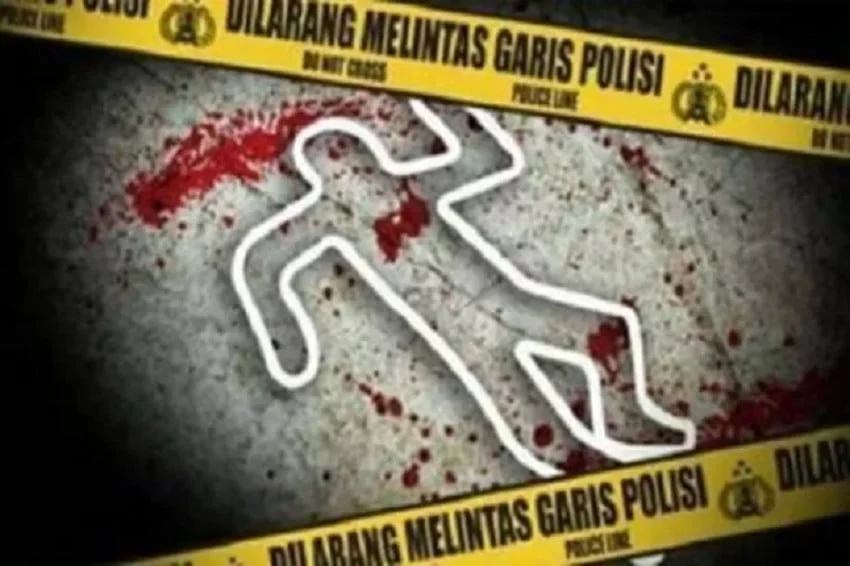
South Jakarta Metro Police arrived shortly after to secure the perimeter and initiate a comprehensive Crime Scene Investigation (Olah TKP). The focus of the initial sweep was to determine if there were any signs of a struggle or the presence of a third party.
Forensic Evidence and the Role of the Firearm
A critical piece of evidence recovered from the balcony was a Beretta caliber .32 semi-automatic pistol. The firearm was found in close proximity to the victim’s body. Preliminary forensic ballistics and a review of the victim’s personal history suggest that the weapon likely belonged to the deceased. The presence of a firearm in a high-security luxury hotel has raised questions regarding security protocols, though investigators noted that the victim likely bypassed standard detection or possessed the weapon legally under specific permits.
"From the results of the investigation and the crime scene processing, we have found no indications of involvement by other parties," stated AKP Joko Adi. "The evidence currently points toward a tragic case of self-inflicted harm. We found a Beretta .32 caliber firearm at the location, which is currently being cross-referenced with national licensing databases."
The police have also meticulously reviewed hours of CCTV footage from the hotel’s corridors and elevators. The footage confirms that WH entered the room alone and that no other individuals entered or exited room 1104 between his arrival and the arrival of the driver and security personnel. This digital evidence has been instrumental in ruling out homicide or foul play.
Legal Framework of Firearm Ownership in Indonesia
The discovery of a Beretta .32 caliber pistol in a civilian-involved incident in Jakarta is a matter of significant legal interest. Indonesia maintains some of the strictest firearm control laws in the world. The ownership of firearms by civilians is governed primarily by the Chief of National Police Regulation (Perkap) No. 1 of 2022 regarding the Licensing, Supervision, and Control of Non-Organic Firearms.
Generally, civilian firearm permits are restricted to specific categories, including high-ranking government officials, prominent business leaders, and members of authorized shooting clubs (Perbakin). To possess a caliber .32 handgun, an individual must undergo rigorous psychological evaluations, background checks, and safety training. The South Jakarta Metro Police are currently investigating whether the Beretta found at the scene was legally registered to WH and whether all administrative requirements were up to date at the time of the incident.
This aspect of the investigation is crucial, as it highlights the intersection of public safety and the mental health of individuals who have access to lethal weapons. If the weapon was owned legally, it raises broader questions about the frequency of mental health reassessments for permit holders.
Official Responses and Procedural Next Steps
Following the completion of the initial on-site investigation, the body of the deceased was transported to the Rumah Sakit Polri (Police Hospital) in Kramat Jati, East Jakarta. A forensic autopsy is being conducted to confirm the exact cause and time of death, as well as to perform toxicological screenings. These procedures are standard in cases involving firearms to ensure that no other factors, such as sedation or poisoning, played a role in the event.
The family of the victim has been cooperative with the authorities, providing statements that help paint a clearer picture of WH’s state of mind in the days leading up to July 15. While the police have not disclosed the specific reasons behind the victim’s distress, they have emphasized that the administrative process of the investigation is being finalized.
"We are currently completing the administrative requirements of the investigation," added AKP Joko Adi. "While the evidence strongly suggests no criminal element or third-party involvement, we must ensure every procedural step is followed before the case is officially closed and the findings are fully handed over to the family."
Contextual Analysis: Mental Health and High-Pressure Environments
The Setiabudi area of South Jakarta is a microcosm of Indonesia’s economic engine, housing the headquarters of numerous multinational corporations and high-stakes financial institutions. Tragedies such as the death of WH often bring to light the immense psychological pressures faced by individuals in high-achieving or high-stress social strata.
While the police have remained objective and focused on the facts of the case, social observers note that the incident underscores a growing need for mental health awareness within the corporate and urban sectors of Jakarta. The act of sending "final messages" is a recognized behavioral red flag in psychological studies, often indicating a desperate need for closure or a cry for help that comes too late.
The impact of such an event on the hospitality industry is also noteworthy. Luxury hotels in Jakarta often pride themselves on privacy and discretion; however, this incident may prompt a review of how staff are trained to recognize signs of distress in guests or how security measures can be balanced with guest privacy.
Broader Implications for Public Safety and Security
The death of WH at a prominent hotel serves as a somber reminder of the complexities surrounding urban safety. The South Jakarta Metro Police’s transparent handling of the case—releasing facts about the CCTV footage, the absence of a struggle, and the discovery of the firearm—is aimed at preventing public speculation and maintaining trust in the security of the Setiabudi district.
As the investigation nears its conclusion, the focus remains on supporting the bereaved family and ensuring that all legalities regarding the firearm are addressed. The case has also reignited discussions among local lawmakers regarding the necessity of integrated mental health services and the potential for more frequent "wellness checks" for individuals in possession of firearms.
In the coming days, the South Jakarta Metro Police are expected to release a final report once the forensic results from RS Polri Kramat Jati are integrated into the case file. For now, the incident is being treated as a private tragedy with significant public interest, highlighting the delicate balance between personal crisis and the legal frameworks designed to maintain order in a bustling metropolis like Jakarta.
Disclaimer: If you or someone you know is struggling or in crisis, help is available. In Indonesia, you can contact the Ministry of Health’s emergency hotline or reach out to mental health organizations such as Into the Light Indonesia or the Love Inside Suicide Awareness (LISA) helpline for support and resources.