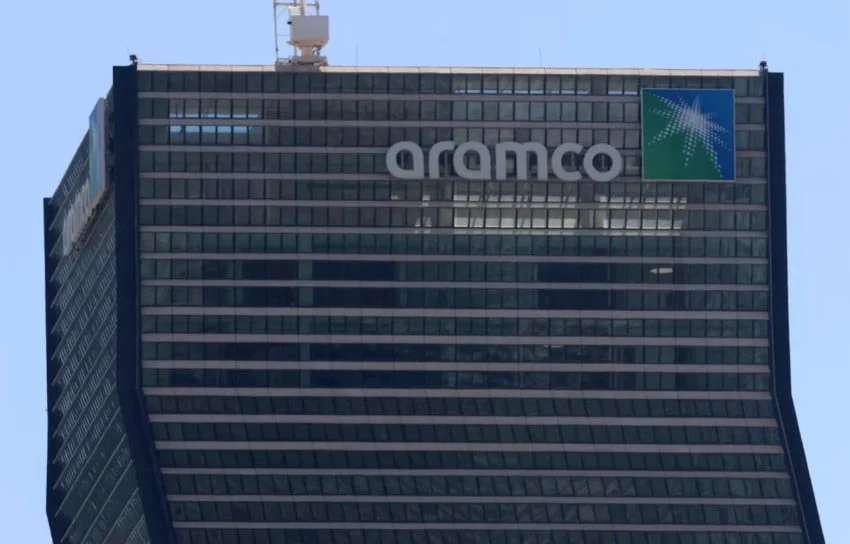
Global energy markets experienced a renewed wave of anxiety after a facility belonging to state-owned oil giant Saudi Aramco in Riyadh sustained minor damage from falling debris. The incident, stemming from a cross-border aerial assault attributed to Yemen’s Houthi movement, highlights the persistent vulnerability of critical energy infrastructure in the Middle East. While Saudi authorities confirmed that operations remained uninterrupted and casualties were averted, the proximity of the strike to the heart of the kingdom’s financial and administrative capital immediately reverberated through international commodities markets. Traders and geopolitical analysts alike are closely monitoring the escalation, as the security of energy transit routes and production facilities remains a cornerstone of global economic stability.
The event underscores a long-standing security dilemma for the Kingdom of Saudi Arabia, which has frequently found its energy installations and urban centers targeted during the protracted Yemeni civil conflict. Although interception systems operated by the Saudi-led coalition successfully neutralized the majority of the incoming threats, the psychological and market impact of projectiles reaching the capital cannot be understated. As energy security tightly intertwines with geopolitical stability, this latest escalation serves as a stark reminder of how fragile global supply chains remain in the face of regional hostilities.
Chronology of the Escalation
The sequence of events unfolded on a Sunday, disrupting the typical quiet of the weekend in Riyadh. According to official reports from the Saudi Ministry of Energy and military spokespersons, air defense batteries detected multiple aerial threats approaching the kingdom’s airspace. The coalition forces leading the military intervention in Yemen intercepted and destroyed several ballistic and cruise missiles aimed at both the capital city and vital infrastructure in the southern regions of the country.
Despite the high interception rate, debris from one or more neutralized projectiles descended upon the King Abdullah Financial District (KAFD) in Riyadh. A building situated within this prominent commercial hub, owned by Saudi Aramco, suffered localized structural damage from falling shrapnel. Emergency response teams were quickly dispatched to the scene to secure the area and assess the integrity of the structure. Initial evaluations confirmed that the impact resulted exclusively from collateral debris rather than a direct hit by an active warhead.
Shortly after the incident, the Houthi military spokesman officially claimed responsibility for the operation. In statements broadcast through regional media channels, the group asserted that the coordinated barrage targeted not only the financial district but also strategic locations including the Riyadh International Airport and major oil storage terminals in the capital. The Houthi leadership framed the offensive as a direct retaliation against ongoing coalition airstrikes and economic blockades inside Yemen, signaling a continuation of their retaliatory doctrine despite ongoing diplomatic efforts to secure a permanent ceasefire.
Context and Historical Background of the Conflict
To fully understand the gravity of the incident at the Saudi Aramco facility, one must examine the broader geopolitical landscape of the Yemeni civil war, which escalated dramatically in 2014 and 2015. The conflict pits the internationally recognized government of Yemen, backed by a coalition of Arab states led by Saudi Arabia, against the Houthi movement, an insurgent group belonging to the Zaydi branch of Shia Islam. Over the past decade, the war has evolved from an internal political struggle into a complex regional proxy conflict, drawing in various international actors and destabilizing the southern Arabian Peninsula.
As part of their military strategy, Houthi forces have increasingly utilized asymmetric warfare tactics, relying heavily on asymmetric drone technology and long-range ballistic and cruise missiles. Many of these weapon systems are widely assessed by defense experts and United Nations panels to share technical characteristics with Iranian military hardware, though Tehran has consistently denied direct military involvement. Over the years, these capabilities have enabled the group to project power far beyond Yemen’s borders, launching frequent cross-border attacks targeting civilian airports, desalination plants, and critical petroleum infrastructure within Saudi Arabia and the United Arab Emirates.
Most notably, the September 2019 drone and cruise missile attacks on the Abqaiq processing facilities and the Khurais oil field temporarily knocked out half of Saudi Arabia’s oil production, sending shockwaves through the global economy. That watershed moment proved that even the world’s most heavily guarded energy installations were susceptible to low-cost, high-impact aerial assaults. Consequently, subsequent security incidents—even those resulting in minor structural damage, such as the recent event at the KAFD building—reopen deep-seated market fears regarding the vulnerability of the world’s primary petroleum exporter.
Official Responses and Statements from Relevant Parties
The immediate aftermath of the attack saw a coordinated communications effort by Saudi authorities aimed at reassuring both domestic populations and international financial markets. The Ministry of Energy released a formal statement emphasizing that the damage sustained by the Saudi Aramco-owned building in Riyadh was strictly superficial and limited to falling debris. Crucially, the statement explicitly confirmed that there were no fatalities, injuries, or disruptions to petroleum production and refining operations.
"The building experienced minor damage due to falling debris, but no casualties or injuries have been reported," the Saudi Ministry of Energy reiterated in its official dispatch. By swiftly communicating that core operational assets remained unscathed, Riyadh sought to prevent panic-driven speculation in the crude oil futures market.
Concurrently, the Saudi-led coalition reiterated its commitment to defending the kingdom’s territorial integrity and protecting critical global supply nodes. Military commanders highlighted the efficiency of their integrated air defense networks, which successfully intercepted the bulk of the incoming threats before they could reach their designated targets. However, defense analysts note that maintaining a 100% interception rate remains logistically challenging and economically costly, as sophisticated interceptor missiles are expended to neutralize comparatively inexpensive aerial drones and rockets.
On the opposing side, Houthi officials remained defiant, vowing to sustain military pressure unless the coalition alters its military posture in Yemen. The group’s leadership maintains that their campaigns are legitimate defensive measures against foreign intervention. This hardening of rhetoric from both factions illustrates the persistent fragility of the political landscape, suggesting that sporadic escalations will likely continue to threaten regional stability in the foreseeable future.
Market Implications and Economic Analysis
The global implications of security incidents targeting Saudi Arabian energy infrastructure extend far beyond the immediate geographic vicinity of Riyadh. As the world’s largest crude oil exporter and the de facto leader of the Organization of the Petroleum Exporting Countries (OPEC), Saudi Arabia plays a pivotal role in balancing global supply and demand. Any credible threat to its production capacity, logistics network, or administrative hubs immediately introduces a risk premium into international energy markets.
When news of the incident reached traders, energy analysts immediately evaluated the potential for a reactionary spike in Brent and West Texas Intermediate (WTI) crude prices. Although the market stabilized relatively quickly once it became apparent that physical oil production facilities were unaffected and that the damage was restricted to minor building debris, the psychological residue of the event lingers. Energy economists point out that the modern oil market operates under a continuous shadow of geopolitical risk, where structural vulnerabilities in the Middle East can trigger sudden price volatility.
Furthermore, the incident serves as a wake-up call for international investors regarding the physical security of non-industrial commercial assets situated within major financial hubs like Riyadh. As Saudi Arabia pursues its ambitious Vision 2030 economic diversification program—designed to attract foreign direct investment, tourism, and multinational corporate headquarters—ensuring absolute physical security against asymmetric warfare remains an indispensable prerequisite. Financial institutions and international corporations operating in the region continuously re-evaluate their risk management protocols in light of such cross-border security challenges.
Broader Geopolitical Ramifications
Beyond the immediate economic calculations, the attack on the Saudi capital underscores the urgent need for a comprehensive and durable diplomatic resolution to the conflict in Yemen. Years of military campaigns have failed to achieve a decisive victory for either side, resulting in one of the world’s worst humanitarian crises while maintaining a perpetual state of low-intensity regional friction.
International mediators, including the United Nations and regional powers such as Oman, have continuously pushed for an inclusive political dialogue between the Yemeni government, regional stakeholders, and Houthi representatives. Incidents like the drone and missile barrage in Riyadh act as stark reminders of the high costs of diplomatic stagnation. As long as the underlying political grievances and security dilemmas in Yemen remain unresolved, neighboring countries and international maritime routes will remain exposed to the cascading effects of the ongoing war.
In conclusion, while the physical damage from the latest Houthi strike on the Saudi Aramco-associated building in Riyadh was minimal and successfully mitigated by active air defenses, the strategic message is profound. The event highlights the enduring volatility of the Middle East energy corridor and reinforces the reality that global economic stability is inextricably linked to regional peace. As policymakers, market regulators, and security experts analyze the aftermath, the imperative to secure critical infrastructure while simultaneously advancing genuine diplomatic peace frameworks has never been more urgent.