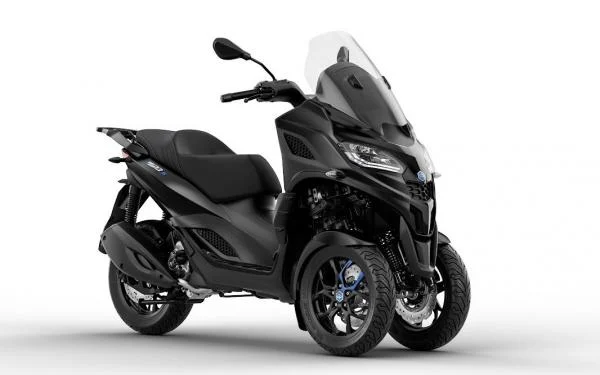
Since its global debut in 2006, the Piaggio MP3 has occupied a unique niche in the motorcycle industry, bridging the gap between the agility of a traditional scooter and the enhanced stability typically associated with four-wheeled vehicles. As the model marks its twentieth anniversary, it stands as a testament to Piaggio’s commitment to evolving mobility, having transitioned from a daring engineering experiment into a sophisticated, high-tech commuter platform. The integration of advanced features such as the 4D radar-based Advanced Rider Assistance System (ARAS) signals a new era where safety technology previously reserved for luxury automobiles is now accessible to the two-wheeled—or in this case, three-wheeled—market.
The Genesis of a Three-Wheeled Revolution
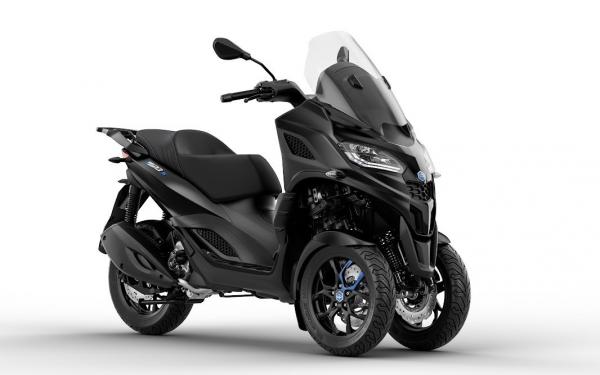
The inception of the Piaggio MP3 was driven by a fundamental challenge in urban mobility: how to provide the convenience of a scooter while mitigating the inherent risks associated with loss of traction on unpredictable road surfaces. In 2006, Piaggio introduced its proprietary tilting three-wheel technology, characterized by a complex parallelogram suspension system. This configuration allows the two front wheels to tilt independently, enabling the vehicle to lean into corners just like a conventional motorcycle, while providing a significantly larger contact patch with the road.
This structural innovation was not merely an aesthetic choice; it was a response to the realities of urban commuting. By doubling the front-end contact area, the MP3 significantly improved braking performance and stability on slippery surfaces, such as tram tracks, cobblestones, or oil-slicked asphalt. For many riders, particularly those transitioning from cars to motorcycles, the MP3 offered a psychological and physical safety net that traditional scooters could not match.
A Chronology of Technical Evolution
The history of the Piaggio MP3 is one of constant refinement. Following its launch, Piaggio quickly realized that the platform’s potential extended beyond the initial 250cc engine.
- 2006–2008: The foundational years saw the launch of the original 250cc model, which established the market for "tilting three-wheelers."
- 2009–2012: Piaggio expanded the range to include 125cc, 300cc, 400cc, and 500cc variants, catering to diverse global licensing regulations and performance needs.
- 2014: The model underwent a significant chassis redesign, focusing on improved ergonomics, increased under-seat storage, and the implementation of Anti-lock Braking Systems (ABS) and Traction Control (ASR) as standard safety measures.
- 2018–2020: The introduction of more powerful 500cc engines and the integration of digital connectivity features (Piaggio MIA) solidified the MP3 as a high-end touring vehicle.
- 2022–2024: The latest generation represents the most radical leap forward, with the adoption of 310cc, 400cc, and 530cc engines, along with the introduction of the 4D radar system, marking the brand’s alignment with modern automotive safety standards.
Engineering the Future: The Integration of ARAS
Perhaps the most significant development in the MP3’s twenty-year history is the implementation of the Advanced Rider Assistance System (ARAS). Developed in collaboration with Piaggio Fast Forward—the group’s robotics subsidiary based in Boston—this system utilizes 4D imaging radar technology to provide real-time monitoring of the environment surrounding the vehicle.
The ARAS technology includes features such as Blind Spot Information System (BLIS) and Lane Change Decision Aid System (LCDAS). These systems act as a secondary pair of eyes for the rider, providing visual alerts on the dashboard when vehicles are detected in the rider’s blind spot or approaching rapidly from the rear. This integration represents a major shift in the motorcycle industry, where rider assistance systems have historically lagged behind those found in passenger cars. By adopting these features, Piaggio is positioning the MP3 not just as a scooter, but as a smart, connected vehicle designed to reduce the probability of human error.
Market Positioning and Performance Metrics
The current MP3 lineup has been meticulously engineered to meet the stringent Euro 5+ emissions standards, ensuring that the brand remains compliant with global environmental regulations. The transition from the previous 500cc units to the high-performance 530cc engine reflects a broader trend toward more efficient power delivery.

The current 530cc engine, for instance, produces significant torque at lower RPMs, providing a smoother riding experience in stop-and-go urban traffic. Furthermore, the 310cc and 400cc powerplants have been optimized to offer a balance between fuel efficiency and the ability to handle highway speeds comfortably. Data from industry analysts suggests that the MP3 demographic has shifted over time; while initial buyers were early adopters of new technology, the current consumer base includes a high percentage of "conquest customers"—individuals who previously owned cars and are now moving toward motorized two-wheelers for shorter commutes.
The Impact of Stability on Rider Confidence
One of the defining features of the Piaggio MP3 is the electro-hydraulic suspension locking system. This feature allows the rider to lock the tilting mechanism at low speeds, such as when coming to a stop at a traffic light. This removes the need for the rider to put their feet down, effectively allowing the vehicle to stand upright on its own.
This functionality has had a profound impact on the accessibility of motorcycling. It has attracted a diverse demographic, including older riders who may have concerns about balancing a heavy motorcycle, as well as business professionals who require a garment-friendly commute that does not involve the physical strain of supporting a traditional bike. The stability provided by the three-wheel configuration acts as a gateway for riders who prioritize comfort and safety without sacrificing the efficiency of lane-filtering and maneuverability in congested city centers.
Broader Implications for Urban Mobility
The longevity of the Piaggio MP3 offers a case study in how vehicle architecture can adapt to changing urban environments. As cities become increasingly congested, the demand for compact, efficient, and safe transport continues to rise. The MP3’s trajectory—moving from a niche curiosity to a technologically advanced commuter vehicle—mirrors the broader evolution of the automotive industry toward automation and sensor-based safety.

Piaggio’s commitment to this segment suggests that the three-wheel configuration is not merely a temporary trend, but a legitimate solution for the future of personal mobility. By continuously iterating on the platform, Piaggio has ensured that the MP3 remains relevant in a market that is increasingly focused on electrification and digital connectivity. While the current models rely on internal combustion engines, the chassis architecture is perfectly suited for future electric drivetrains, which would further enhance the vehicle’s appeal in urban centers implementing low-emission zones.
Industry Reception and Future Outlook
The professional reception of the MP3’s two-decade milestone has been largely positive. Industry experts point to the vehicle’s high resale value and the brand’s robust service network as key factors in its sustained success. Furthermore, the inclusion of premium features—such as keyless ignition, large full-color TFT instrument clusters, and cruise control—has elevated the MP3 into the "maxi-scooter" category, where it competes not only with other scooters but also with entry-level motorcycles.
Looking ahead, the next phase for the MP3 platform will likely involve the integration of more sophisticated vehicle-to-everything (V2X) communication. As smart city infrastructure develops, the ability for a vehicle to "talk" to traffic lights or other vehicles will become a reality. Given Piaggio’s history of integrating cutting-edge technology, it is highly probable that the MP3 will continue to serve as the flagship for these developments in the motorcycle sector.
Conclusion
The twenty-year journey of the Piaggio MP3 is characterized by a refusal to settle for the status quo. By fundamentally altering the geometry of the scooter and embracing the latest in sensor and radar technology, Piaggio has successfully carved out a market segment that continues to thrive. Whether for the urban commuter seeking safety or the long-distance rider requiring comfort, the MP3 remains a benchmark for innovation. As it enters its third decade, the focus on performance, safety, and rider convenience ensures that the Piaggio MP3 will continue to play a pivotal role in the landscape of global urban mobility. The combination of its proven tilting technology and the promise of future automotive-derived enhancements suggests that the "three-wheel revolution" is far from over; rather, it is entering a more mature and sophisticated phase.