The rollout of fifth-generation (5G) cellular networks over recent years has fundamentally transformed mobile broadband, offering unprecedented download speeds, reduced latency, and massively increased device capacity. However, for many everyday consumers who glance at their smartphones and see the coveted "5G" icon illuminate the status bar, the underlying infrastructure remains a complex web of engineering compromises and evolutionary steps. Chief among these transitional frameworks is 5G Non-Standalone (NSA), an architectural model that serves as the backbone for the vast majority of commercial 5G deployments globally. While users simply experience faster media streaming, more responsive online gaming, and smoother video conferencing, the technical reality behind the scenes involves a sophisticated marriage of legacy fourth-generation (4G) core infrastructure and cutting-edge 5G radio access technology.
To fully comprehend why telecommunications operators worldwide initially leaned toward this hybrid configuration rather than deploying completely autonomous systems from day one, one must examine the fundamental definitions, operational mechanisms, economic justifications, and long-term implications associated with 5G NSA.
Defining 5G Non-Standalone (NSA) Architecture
At its core, 5G NSA—where "NSA" stands for Non-Standalone—refers to a 5G network deployment architecture that relies heavily upon an existing 4G Long-Term Evolution (LTE) core network infrastructure to operate. According to standards established by the 3rd Generation Partnership Project (3GPP), which unites telecommunications standard development organizations, 5G NSA utilizes the advanced 5G New Radio (NR) air interface to transmit data over the airwaves, yet anchors its control plane signaling to the pre-existing 4G Evolved Packet Core (EPC).
In practical terms, this means that while a consumer’s device communicates with cell towers using advanced 5G radio frequencies to achieve higher throughput, the underlying administrative tasks—such as user authentication, session management, and mobility tracking—are managed by the mature 4G network infrastructure. Crucially, telecommunications regulatory bodies and standards organizations emphasize that 5G NSA is a true 5G connection, not merely a branded iteration of LTE Advanced Pro. The device physically establishes a connection utilizing 5G NR spectrum bands, and the data transfer speeds experienced by the user reflect the vast capabilities of 5G radio waves. Nevertheless, because the core network routing and subscriber management are anchored in the 4G environment, the network cannot be classified as entirely independent.
The Mechanics of Dual Connectivity: How 5G NSA Operates
The technical wizardry that enables a smartphone to simultaneously interface with both 4G and 5G networks is known as E-UTRA-NR Dual Connectivity, commonly abbreviated as EN-DC. Within this operational framework, the mobile device maintains concurrent radio links with both a 4G eNodeB (base station) and a 5G gNodeB (next-generation base station).

In the standard deployment configurations utilized by most global carriers, the 4G LTE network assumes the role of the Master Node (MN), while the 5G NR network functions as the Secondary Node (SN). The Master Node is responsible for handling the critical control plane signaling—the administrative instructions that keep the device connected to the operator’s network, manage handovers between cell towers, and process incoming or outgoing calls and messages. Meanwhile, the Secondary Node acts as a high-capacity pipe, dedicating its broader bandwidth and advanced modulation schemes strictly to accelerating user-plane data transmission.
When a user initiates a heavy data task, such as downloading a large file or streaming a high-definition video, the device aggregates resources across both connections. The 4G network maintains the anchor connection to preserve stability and widespread coverage, while the 5G radio frequencies inject massive supplemental bandwidth into the data stream. This dual-connectivity approach ensures that even if the high-frequency 5G signal weakens due to physical obstructions or distance, the robust 4G anchor maintains session continuity without dropping the connection entirely. However, the realization of these dual speeds is contingent upon several dynamic variables, including device hardware capabilities, carrier-specific software configurations, and localized radio frequency interference or signal propagation conditions.
Economic and Operational Motivations for Operator Adoption
When telecommunications operators began charting their multi-billion-dollar investments into next-generation cellular infrastructure, they faced a stark economic reality: building an entirely new end-to-end 5G network—including brand-new cell sites, fiber-optic backhaul, and pristine 5G Core (5GC) data centers—required capital expenditures that were both fiscally prohibitive and operationally daunting.
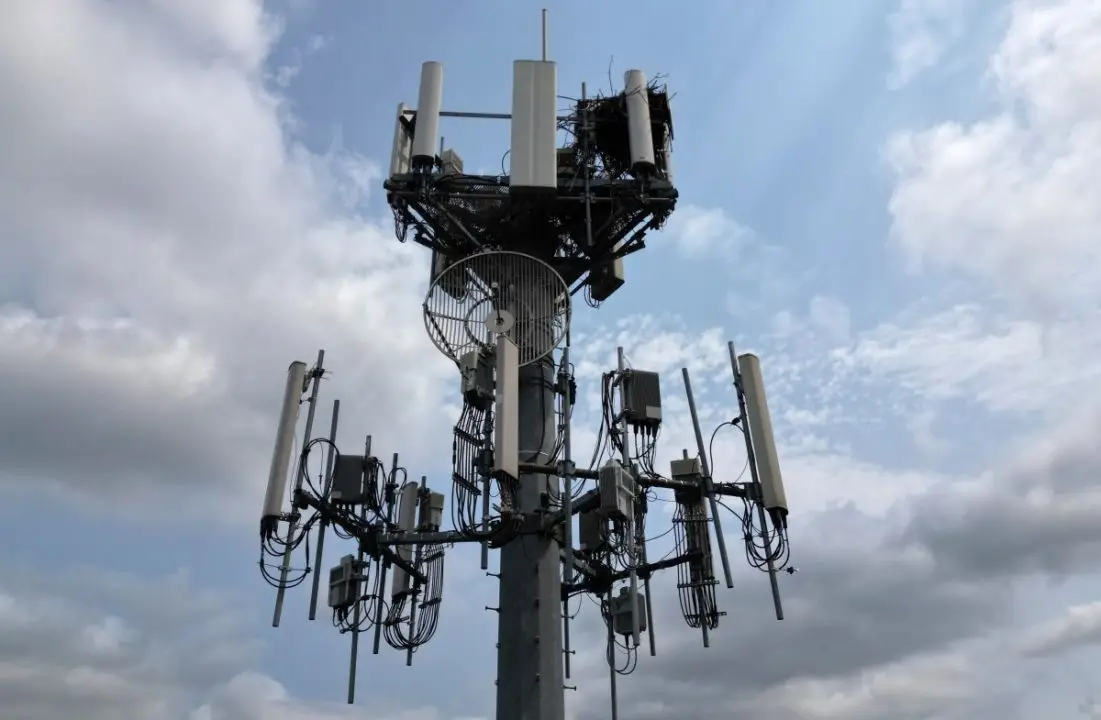
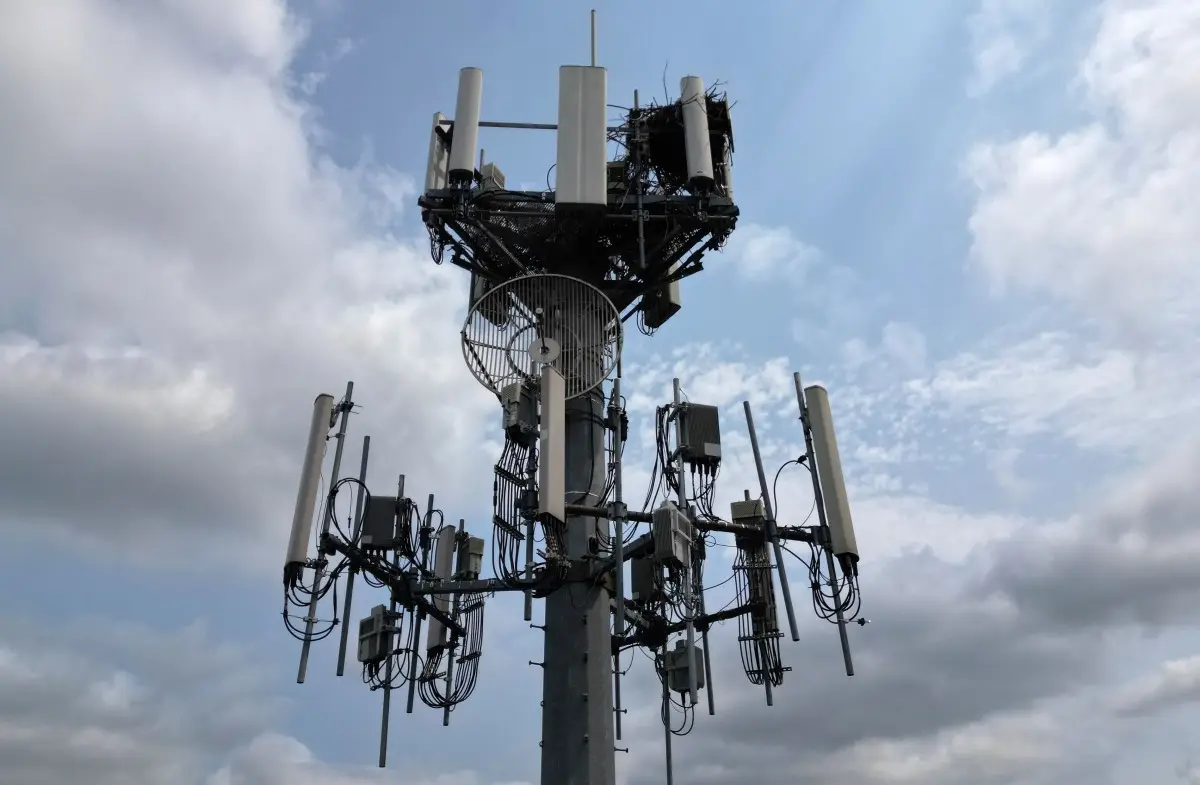
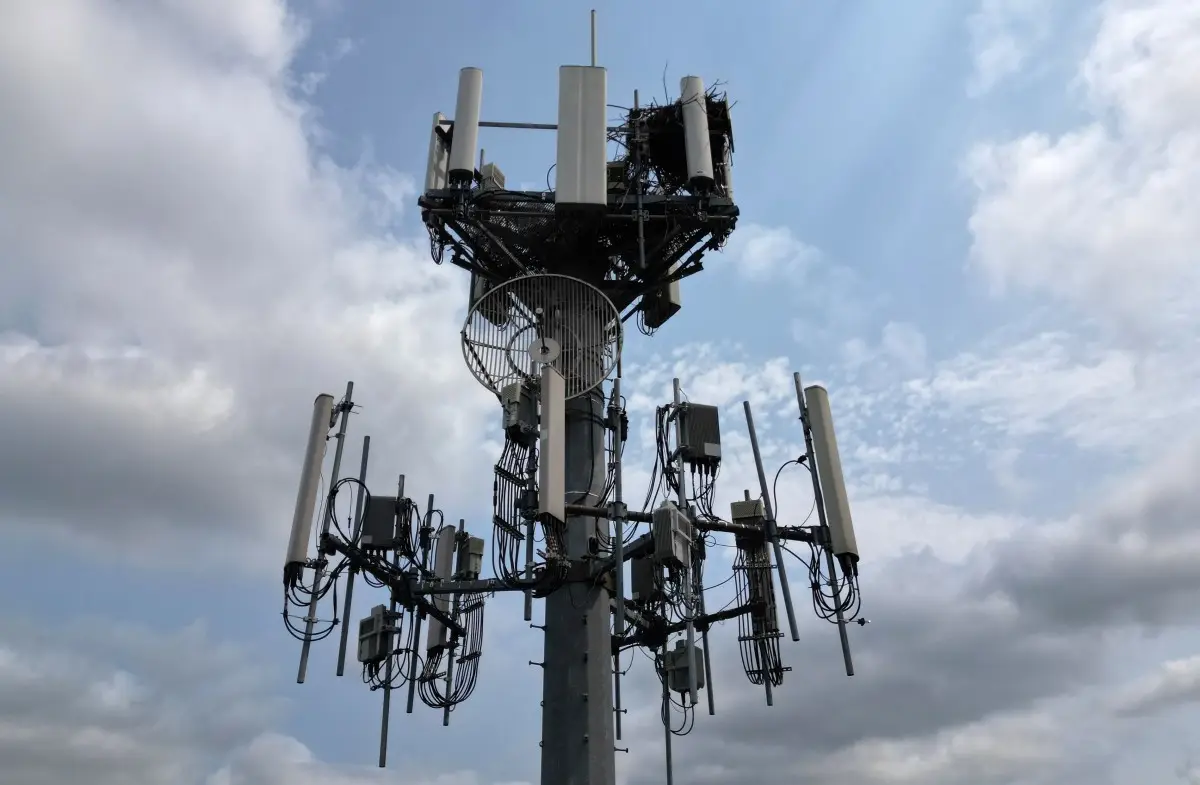
The 5G NSA architecture emerged as the industry’s preferred bridge because it allowed operators to leverage their massive, pre-existing investments in 4G LTE infrastructure. Rather than constructing a parallel, standalone core network across an entire country simultaneously, carriers could simply upgrade existing cell towers by installing 5G New Radio antennas and integrating them with the established 4G core. This incremental deployment strategy significantly reduced upfront capital expenditure, accelerated time-to-market for commercial 5G services, and allowed operators to market 5G coverage across wide geographical areas long before standalone core data centers were fully constructed.
Furthermore, 4G networks already possessed deep, reliable nationwide footprints. By utilizing 4G as the master anchor, operators could blanket metropolitan and suburban areas with 5G capabilities by riding on top of existing site leases, tower space, power supplies, and fiber backhaul links. This pragmatic engineering philosophy transformed what would have been a decade-long, high-risk infrastructure overhaul into a manageable, phased technological migration.
Advantages and Limitations of the Non-Standalone Model
Like any transitional technology, 5G NSA presents a distinct set of advantages and inherent limitations that shape the user experience and define the boundaries of modern telecommunications.

Among its primary advantages is implementation efficiency. For network operators, the practicality of upgrading existing infrastructure without sacrificing legacy investments cannot be overstated. For consumers, 5G NSA delivers immediate, tangible benefits: significantly faster download speeds, lower latency compared to pure 4G networks, and an expanded geographic footprint of high-speed connectivity that would otherwise be unavailable if operators had waited for purely standalone networks to mature.
However, the architecture’s reliance on a 4G core imposes technical ceilings. Because the control plane remains bound to 4G LTE, 5G NSA inherits some of the latency bottlenecks and architectural limitations of older systems. More importantly, 5G NSA cannot natively support advanced features that require an end-to-end 5G ecosystem. Capabilities such as advanced network slicing—which allows operators to partition a single physical network into multiple virtual networks tailored for specific enterprise applications, critical infrastructure, or autonomous vehicle communications—are severely restricted or impossible within an NSA framework. Additionally, because devices must maintain simultaneous active links to both 4G and 5G radios under EN-DC protocols, battery consumption can sometimes be notably higher compared to devices operating on single-mode networks.
The Broader Telecommunications Landscape and Future Implications
Industry analysts and network engineers view 5G NSA not as a permanent destination, but rather as an essential stepping stone on the evolutionary roadmap of cellular technology. As subscriber demands for ultra-low latency, massive machine-type communications, and enterprise-grade reliability continue to accelerate, the telecommunications industry has steadily pursued the deployment of 5G Standalone (SA) architectures.

The 5G Standalone model replaces the 4G core entirely with a cloud-native 5G Core, allowing the radio network and the core network to operate independently of legacy infrastructure. This transition unlocks the true, theoretical promise of 5G: sub-millisecond latency, native network slicing, enhanced uplink capacities, and optimized power management for Internet of Things (IoT) ecosystems.
Nevertheless, the legacy of 5G NSA remains profound. It successfully bridged the gap between two technological eras, introducing millions of consumers worldwide to high-speed broadband while giving network operators the financial and operational breathing room required to build out tomorrow’s fully autonomous digital infrastructure. As the industry gradually matures toward widespread 5G SA adoption, the foundational groundwork laid by Non-Standalone architecture will be remembered as the pivotal catalyst that brought next-generation mobile connectivity into the mainstream.