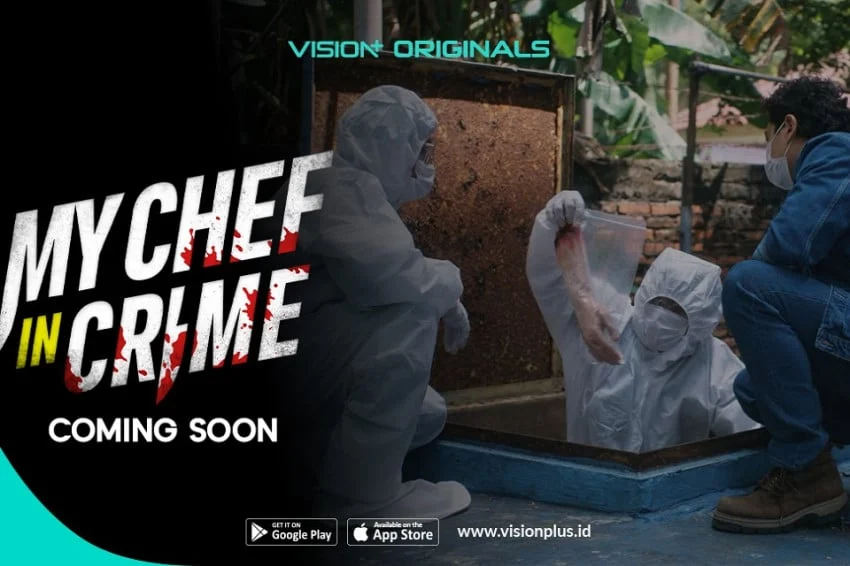
The Indonesian digital entertainment landscape is witnessing a significant shift in genre storytelling with the launch of My Chef In Crime, a pioneering production by the streaming platform Vision+. This series marks a milestone as the nation’s first "culinary crime thriller," a hybrid genre that seeks to blend the aesthetic appeal of high-end gastronomy with the gritty, intellectual rigor of criminal investigation. By moving beyond traditional tropes of romance or supernatural horror, Vision+ aims to capture a more diverse audience segment interested in procedural dramas and the burgeoning global fascination with culinary arts. The series is currently positioned as a flagship offering on the platform, accessible via dedicated subscription packages, signaling a strategic move to strengthen local content libraries in an increasingly competitive Over-the-Top (OTT) market.
A New Paradigm in Investigative Storytelling
The central premise of My Chef In Crime rests on the innovative concept that a dish is more than a sensory experience; it is a repository of information that can serve as a primary lead in solving complex crimes. While traditional thrillers rely heavily on ballistics, DNA sequencing, or digital footprints, this series introduces "gastronomic forensics." In this narrative framework, every ingredient, aroma, texture, and cooking technique is treated as a piece of evidence. The kitchen, typically a place of creation and comfort, is reimagined as a laboratory for justice where scientific analysis meets culinary intuition.
This approach offers a fresh perspective on the thriller genre by integrating the meticulous nature of professional cooking with the high stakes of law enforcement. The show explores how chemical reactions in food, the origin of specific spices, or the precision of a chef’s knife skills can provide insights into a perpetrator’s identity or the timeline of a crime. By doing so, the series elevates the role of the chef from a mere artisan to a critical asset in the judicial process, providing a narrative depth that distinguishes it from standard police procedurals.
Narrative Architecture and Character Dynamics
The storyline follows a talented chef whose life is upended when he is named the primary suspect in the death of his long-standing professional rival. The accusation threatens not only his career but his freedom, forcing him to utilize the only tools he has mastered: his culinary expertise and scientific knowledge of food. To clear his name, he must revisit his past and dissect the circumstances of the crime through the lens of a kitchen professional. This personal stake adds a layer of emotional urgency to the procedural elements of the show.
The plot thickens with the reintroduction of a detective who also happens to be the chef’s former romantic partner. Their unresolved history creates a palpable tension that mirrors the high-pressure environment of both a professional kitchen and a criminal investigation. This partnership is built on a foundation of professional necessity and personal friction, as they are forced to collaborate to uncover a truth that neither could find alone. The detective provides the legal and tactical framework, while the chef offers unconventional insights derived from the world of flavors and ingredients. Together, they navigate a series of mysteries that are resolved through creative problem-solving and spectacular culinary displays.
The Growth of Niche Genres in the Indonesian OTT Market
The production of My Chef In Crime comes at a time when Indonesian streaming services are seeking to differentiate themselves through high-concept original programming. According to industry data, the Indonesian VOD (Video on Demand) market has seen a compound annual growth rate (CAGR) of over 20% in recent years, driven by increased internet penetration and a shift in consumer behavior toward mobile-first entertainment. Platforms like Vision+, which operates under the MNC Group umbrella, are increasingly investing in "local-first" content that mirrors international production standards.
Historically, Indonesian television has been dominated by long-running soap operas (sinetron) and horror films. However, the success of international series like The Bear or Hannibal, which utilize food as a central narrative device, has demonstrated a global appetite for genre-bending content. By introducing the first culinary crime thriller to the local market, Vision+ is tapping into a sophisticated viewer demographic that demands higher production values and more complex plots. This move is seen by analysts as a strategic effort to reduce "churn" (subscriber loss) by providing unique content that cannot be found on rival international platforms.
Technical Innovation and Gastronomic Forensics
One of the most distinctive features of My Chef In Crime is its emphasis on the scientific aspects of cooking. The series delves into the chemistry of food—understanding how heat affects proteins, how acids can mask certain toxins, and how the geographical origin of a specific herb can pinpoint a suspect’s recent travels. This "forensic" approach to food requires a high level of technical accuracy in production. Reports indicate that the production team collaborated with culinary consultants to ensure that the cooking techniques and the scientific explanations provided in the show are grounded in reality.
From a cinematographic perspective, the series employs a dual visual style. The culinary scenes are shot with the lush, high-definition clarity typical of "food pornography," emphasizing the beauty and art of the dishes. In contrast, the investigative scenes utilize a colder, more muted palette to reflect the gravity of the criminal underworld. This visual juxtaposition reinforces the show’s core theme: that beauty and danger can coexist within the same plate.
Chronology of Production and Strategic Launch
The development of My Chef In Crime followed a rigorous timeline aimed at capturing the post-pandemic surge in digital content consumption.
- Concept Development: The writers sought to create a story that combined Indonesia’s rich culinary heritage with the universal appeal of the mystery genre.
- Production Phase: Filming took place across various locations in Jakarta, focusing on professional kitchen environments and urban investigative settings.
- Post-Production: Significant emphasis was placed on sound design and visual effects to enhance the sensory experience of the cooking sequences.
- Strategic Release: The series was launched on Vision+ with a marketing campaign that emphasized its "first-of-its-kind" status, utilizing the vast media network of the MNC Group to reach millions of potential viewers.
The decision to link the series to the "Vision+ Premium" and "Sport" packages suggests an attempt to cross-promote content to different user bases, ensuring that fans of high-octane sports and high-quality drama are both catered to within the same ecosystem.
Industry Implications and Future Outlook
The debut of My Chef In Crime is expected to have broader implications for the Indonesian creative industry. By proving that niche, high-concept genres can be produced locally, it encourages other creators to experiment with non-traditional narratives. This diversification is essential for the long-term health of the Indonesian film and television sector as it seeks to compete on a global stage.
Industry experts suggest that the success of such series depends on the balance between local relatability and international quality. My Chef In Crime achieves this by featuring Indonesian culinary elements while adhering to the fast-paced, high-stakes structure of global thrillers. If the series performs well in terms of viewership and subscriber acquisition, it could pave the way for more "crossover" genres, such as medical mysteries or tech-driven procedurals, which have yet to be fully explored in the Indonesian context.
Furthermore, the series highlights the importance of synergy between different creative sectors. The collaboration between chefs, forensic consultants, and filmmakers represents a multidisciplinary approach to content creation that enhances authenticity. As the Indonesian audience becomes more discerning, the demand for such "smart" content is likely to grow, positioning platforms like Vision+ as leaders in the next wave of Southeast Asian digital entertainment.
In conclusion, My Chef In Crime is more than just a new addition to a streaming catalog; it is a calculated venture into new narrative territory. By successfully merging the art of the kitchen with the science of the crime scene, Vision+ has created a unique intellectual property that challenges the boundaries of traditional Indonesian storytelling. As the series begins its run, both audiences and industry stakeholders will be watching closely to see if this culinary thriller can set a new recipe for success in the digital age.