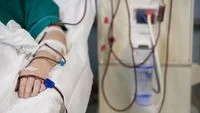
The narrative of Richard Lie, a 32-year-old resident of West Jakarta, has recently gained significant traction on social media, serving as a sobering reminder of the silent nature of chronic kidney disease (CKD). Richard’s experience—beginning with the necessity of routine hemodialysis at the tender age of 16—has sparked widespread public discussion regarding the early detection, symptoms, and the often-misunderstood etiology of renal failure in younger populations. By documenting his long-term journey, Richard aims to demystify the medical reality of living with end-stage renal disease (ESRD) and to emphasize the importance of health vigilance even in the absence of traditional lifestyle risk factors.
The Chronology of a Life-Altering Diagnosis
The onset of Richard’s condition traces back to 2010. During his mid-teens, Richard began experiencing symptoms that were initially misinterpreted as transient physical fatigue or stress. He reported episodes of tachycardia—an abnormally fast heart rate—particularly during physical exertion. Perhaps the most alarming indicator was his inability to lie flat to sleep; he found that he could only breathe comfortably while sitting upright, a classic clinical sign of orthopnea, which often suggests fluid overload or cardiovascular strain.
Following a brief period where the symptoms appeared to subside, they returned with increased severity. His mother, recognizing the escalation, sought medical intervention. Upon arrival at the hospital, medical professionals were immediately concerned by his clinical presentation. His blood pressure was measured at a staggering 240/140 mmHg, a hypertensive emergency that placed him at immediate risk of stroke or heart failure. Richard described the experience as a profound lack of oxygen, characterized by acute respiratory distress.
Subsequent diagnostic testing revealed a grim reality: his kidneys had suffered significant damage, resulting in secondary complications including cardiomegaly (an enlarged heart) and pulmonary edema (fluid in the lungs). This accumulation of fluid, caused by the kidneys’ inability to filter waste and excess water, was the direct culprit behind his severe breathing difficulties. Since that day in 2010, Richard has been tethered to the life-sustaining necessity of hemodialysis.
Medical Context: Understanding Glomerulonephritis
One of the most frequently asked questions surrounding Richard’s case is how a teenager who maintained a healthy lifestyle—abstaining from smoking and alcohol while engaging in regular physical activity—could succumb to such severe organ failure. The diagnosis provided to Richard was glomerulonephritis, a condition involving inflammation of the glomeruli, the tiny structures in the kidneys that filter blood.
Unlike lifestyle-induced renal failure, which is often a long-term consequence of uncontrolled diabetes or hypertension, glomerulonephritis is frequently rooted in autoimmune responses. In these instances, the body’s immune system mistakenly attacks its own healthy kidney tissue. This type of renal disease is often insidious, meaning it can progress silently for years before manifesting in acute symptoms.
Medical experts note that autoimmune-related kidney diseases are notoriously difficult to prevent because the underlying triggers are often genetic or idiopathic. For young patients, this can lead to feelings of confusion and isolation, as their diagnosis does not align with the common public narrative that kidney failure is strictly a "lifestyle disease" affecting the elderly.
Global and National Perspectives on Renal Health
The case of Richard Lie serves as a microcosm of a larger global health challenge. According to the World Health Organization (WHO) and international nephrology databases, the prevalence of chronic kidney disease is rising globally, partly due to the increased incidence of hypertension and diabetes. However, the demographic of patients requiring dialysis is shifting.
In Indonesia, the burden of ESRD is substantial. Data from the Indonesian Renal Registry (IRR) has consistently indicated that while the majority of dialysis patients are in the older age brackets, there is a persistent and concerning segment of the population in their teens and twenties undergoing long-term renal replacement therapy. The financial and social implications for these younger patients are profound. The requirement for dialysis—typically three times a week, with each session lasting four to five hours—imposes a massive constraint on educational and professional development.
The Psychological Burden and Resilience
Beyond the clinical aspects, Richard’s documentation of his journey highlights the psychological toll of chronic illness. Managing a condition that requires a rigid, life-long medical schedule requires immense mental fortitude. Richard has openly discussed the necessity of managing stress and maintaining a positive outlook as critical components of his treatment plan.
Psychologists specializing in chronic illness management note that for patients who receive a life-altering diagnosis in adolescence, the developmental stage is interrupted by the necessity of becoming a "patient." This transition involves coping with the loss of normalcy and the constant negotiation between medical needs and personal aspirations. Richard’s social media presence acts as a support mechanism, fostering a community where other patients can share their experiences, thereby reducing the stigma often associated with chronic disease.
Clinical Implications: The Importance of Early Screening
Medical practitioners often emphasize that the kidneys have a massive functional reserve, meaning that by the time symptoms become visible, the disease may already be in an advanced stage. The symptoms Richard experienced—high blood pressure, orthopnea, and general malaise—are often the "late-stage" indicators of renal dysfunction.
Healthcare experts suggest several preventative measures and diagnostic protocols that, if implemented earlier, could potentially alter outcomes for those with predisposed conditions:
- Routine Blood Pressure Monitoring: Hypertension is both a cause and a consequence of kidney disease. Regular checks are vital, even for young adults.
- Urinalysis: A simple, cost-effective urine test can reveal the presence of protein or blood, which are often the earliest markers of glomerular inflammation.
- Awareness of Family History: Genetic predispositions to autoimmune diseases should trigger earlier and more frequent screening.
- Symptom Vigilance: Persistent fatigue, changes in urination patterns, or unexplained swelling (edema) in the limbs should prompt a professional medical evaluation rather than self-diagnosis or dismissal.
Future Outlook and Support Systems
The viral nature of Richard’s story underscores a significant gap in public health education: the lack of awareness regarding non-lifestyle-related kidney disease. By sharing his journey, Richard is not only providing support to others in similar positions but is also advocating for a more comprehensive approach to health screenings.
As Richard continues his routine, his story serves as a reminder that healthcare systems must continue to invest in both early diagnostic technology and the psychological support infrastructure for long-term patients. While medical advancements like potential kidney transplantation remain a beacon of hope for many, the reality for the majority of the current dialysis population is a long-term commitment to care.
Ultimately, the takeaway from this narrative is not one of despair, but of resilience. Richard’s ability to navigate sixteen years of dialysis while maintaining a productive life illustrates the effectiveness of modern medical intervention, even when the underlying causes are complex and potentially life-long. His transparency serves as a vital call to action for the public to remain vigilant about their health, proving that even when the body faces profound challenges, the human spirit—backed by medical science and community support—can sustain a meaningful life. As the medical community continues to research autoimmune-related renal diseases, patients like Richard remain at the center of the push for better understanding, faster diagnosis, and more compassionate care.