In a somber address delivered at the Pentagon on September 11, 2026, marking the 25th anniversary of the September 11, 2001, terrorist attacks, United States Secretary of Defense Pete Hegseth issued a stern directive regarding American foreign policy. Before an audience of military officials, veterans, and family members of the victims of the 2001 tragedy, Hegseth explicitly identified Iran as the primary adversary of the United States. He pledged a definitive conclusion to the ongoing geopolitical struggle against the nation, framing the current tension as the latest chapter in a multi-decade conflict between Washington and Tehran.
The Secretary’s rhetoric underscored a significant shift in the strategic posture of the U.S. Department of Defense. By linking the memory of the nearly 3,000 lives lost in the 2001 attacks to the current actions of the Iranian government, Hegseth sought to consolidate domestic support for a more aggressive containment strategy. He asserted that the United States has spent the last six months systematically dismantling the infrastructure of what he characterized as the world’s most prolific state sponsor of terrorism, directly pointing to the Islamic Republic of Iran.
A Historical Perspective on US-Iran Relations
The animosity between the United States and Iran is deeply rooted in the events of the late 20th century, specifically the 1979 Islamic Revolution and the subsequent hostage crisis at the American Embassy in Tehran. For nearly 47 years, the two nations have existed in a state of diplomatic estrangement, punctuated by economic sanctions, proxy conflicts, and periodic military escalations.
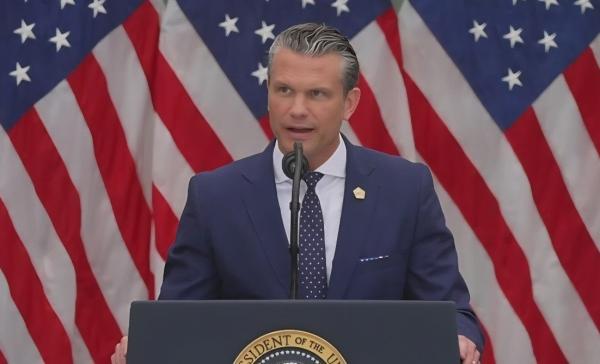
Secretary Hegseth’s remarks build upon a long-standing narrative within Washington that Tehran’s regional influence—exerted through various non-state proxies—poses an existential threat to American interests and those of its key allies in the Middle East. Analysts suggest that by invoking the gravity of the 9/11 anniversary, the Defense Secretary is attempting to frame the conflict with Iran not merely as a regional dispute, but as a continuation of the Global War on Terror that has defined American national security policy since the turn of the millennium.
Chronology of Escalation: From 2001 to 2026
The geopolitical landscape has undergone a radical transformation since the collapse of the Twin Towers. The 2001 attacks, perpetrated by Al-Qaeda, prompted the United States to invade Afghanistan and later Iraq, fundamentally altering the power balance in the Middle East.
- 2001–2003: The initial focus of the U.S. "War on Terror" remained on Al-Qaeda and the Taliban, though suspicions regarding Iranian support for various militant groups began to grow within intelligence circles.
- 2010–2015: Tensions escalated significantly due to Iran’s nuclear program, leading to the Joint Comprehensive Plan of Action (JCPOA), which sought to curb nuclear development in exchange for sanctions relief.
- 2018–2020: The U.S. withdrawal from the JCPOA and the subsequent targeted killing of high-ranking Iranian military officials led to a period of unprecedented direct confrontation.
- 2025–2026: Following a series of regional escalations and increased cyber-warfare, the Pentagon under Secretary Hegseth adopted a "proactive neutralization" policy. The last six months of 2026 have been marked by what the Department of Defense describes as intensive, targeted operations aimed at degrading Iranian logistical and operational capabilities.
Data and Strategic Implications
The Department of Defense has released limited data sets over the past half-year suggesting that these operations have successfully disrupted supply chains utilized by Iranian-backed militias. According to internal briefings, these efforts have targeted command-and-control centers, as well as weapon manufacturing sites that have historically supplied combatants across Lebanon, Syria, and Yemen.
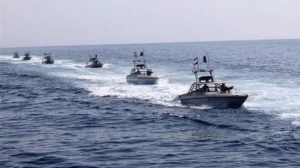
However, the strategy is not without its critics. Strategic analysts warn that the "full-spectrum" approach advocated by Hegseth carries significant risks. A direct, sustained conflict with Iran could destabilize the Strait of Hormuz, a vital artery for global energy markets, potentially leading to a sharp rise in global oil prices and a subsequent economic contraction. Furthermore, the reliance on military force to solve what many diplomats argue is a political problem could lead to an "endless war" scenario that critics argue the American public is increasingly fatigued by.

Official Responses and Regional Reactions
While the Pentagon remains firm in its stance, regional stakeholders have expressed varying degrees of concern. Allies in the Gulf Cooperation Council (GCC) have largely welcomed a stronger American commitment to security, citing their own concerns regarding Iranian regional hegemony. Conversely, international observers and several European Union representatives have called for a return to diplomatic channels, fearing that the rhetoric from the Pentagon could be interpreted as a prelude to a wider, conventional war.
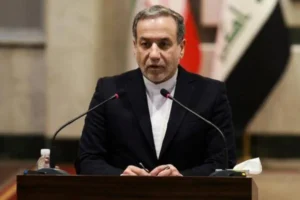
In Tehran, the response has been one of defiance. Iranian leadership has repeatedly rejected the claims made by U.S. officials, characterizing the American presence in the Middle East as the primary source of instability. Recent statements from Iranian state media suggest that Tehran views the U.S. military buildup as an act of aggression that justifies their own military mobilization and the strengthening of their defense networks.
The Domestic Narrative in the United States
The timing of Secretary Hegseth’s speech is not coincidental. By addressing the nation on the 25th anniversary of 9/11, he is tapping into the collective trauma that still influences the American psyche. The focus on "protecting the homeland" from external threats remains a potent political motivator.
However, the domestic political landscape in the U.S. is divided. While there is a broad consensus regarding the need to counter terrorism, there is little agreement on the efficacy of the current administration’s "hard power" approach. Proponents argue that the failure to decisively act against Iran in previous decades allowed the threat to metastasize, whereas opponents argue that the current path ignores the lessons of the Iraq and Afghanistan wars, where military superiority did not translate into long-term political stability.

Future Outlook and Strategic Challenges
As the United States moves forward with its stated policy of neutralizing Iranian threats, several challenges remain. First, the resilience of Iran’s unconventional warfare capabilities—specifically its reliance on asymmetric tactics—makes them a difficult target for conventional military strikes. Second, the potential for escalation into a regional conflagration is high, as any miscalculation by either side could lead to a rapid expansion of the theater of operations.
The Pentagon is now tasked with managing the balance between maintaining deterrence and preventing a total regional war. Military planners are reportedly assessing the effectiveness of the recent six-month campaign to determine if a pivot to more diplomatic or covert strategies is warranted. Nevertheless, Secretary Hegseth’s address leaves little room for ambiguity: the current administration views the standoff as a critical national security priority that will define the coming years of American military involvement in the Middle East.
Ultimately, the events of September 11, 2026, serve as a reminder that even a quarter-century after the most devastating terrorist attack on U.S. soil, the geopolitical ramifications continue to ripple outward. The commitment expressed by the Secretary of Defense represents a definitive step toward a new, potentially volatile phase in the relationship between the two nations, leaving the international community to watch closely as Washington and Tehran continue their high-stakes geopolitical dance. The coming months will be crucial in determining whether this policy of containment leads to a resolution of the conflict or further draws the region into a wider, more complex struggle for dominance.