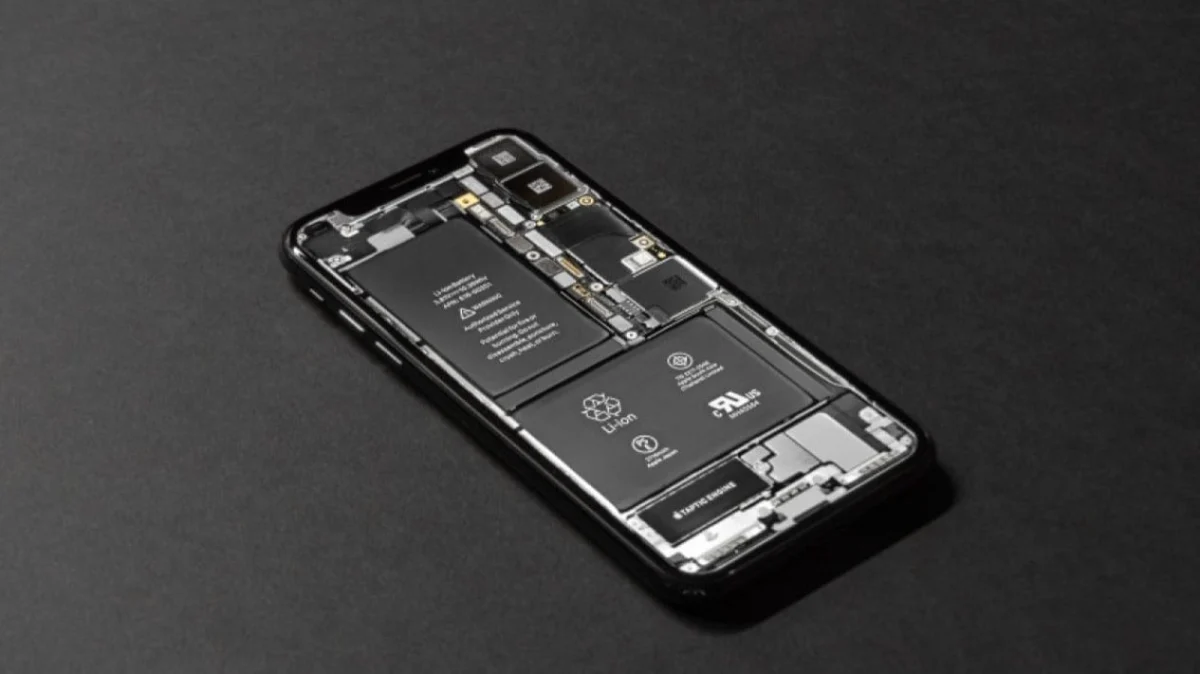
Incidents involving smartphones catching fire or exploding remain statistically rare, yet they capture public attention due to their sudden and dramatic nature. At the heart of nearly every portable electronic device—ranging from smartphones and tablets to laptops and electric vehicles—lies the lithium-ion battery. While billions of these power cells operate safely on a daily basis, understanding the underlying electrochemistry and the conditions that trigger catastrophic failures is essential for modern consumers and manufacturers alike.
According to insights published by the National Renewable Energy Laboratory (NREL) and safety standards organizations such as UL Solutions, lithium-ion batteries are marvels of energy density. They store vast amounts of electrical potential in remarkably compact spaces. However, this high energy density also means that when things go wrong, the margin for error is narrow. Under specific adverse conditions, a battery can undergo a phenomenon known as thermal runaway—an uncontrollable, self-heating chain reaction that can lead to smoke, fire, or explosive rupture.
To comprehend why a mobile phone might fail so drastically, it is necessary to examine the intricate architecture hidden inside the casing of a modern handheld device.
Anatomy of a Lithium-Ion Cell and the Threat of Internal Short-Circuits
A standard lithium-ion battery consists of a positive electrode (cathode), a negative electrode (anode), and an electrolyte solution that facilitates the movement of lithium ions back and forth during charging and discharging. Separating the cathode and the anode is a micro-porous plastic sheet known as a separator. This separator is crucial: it allows ions to pass freely while physically preventing the positive and negative electrodes from touching. If the electrodes make direct contact, an internal short-circuit occurs, causing a sudden and massive surge of electrical current.
Safety experts at UL Solutions note that this delicate internal barrier can be compromised through several vectors. Physical impacts, crushing forces, manufacturing defects, exposure to extreme ambient temperatures, or progressive degradation from long-term usage can all weaken or puncture the separator.
When an internal short-circuit takes place, the localized electrical energy discharges instantly as heat. This initial spike in temperature breaks down the chemical components inside the cell, releasing flammable gases and accelerating the internal exothermic reactions. This marks the beginning of thermal runaway.
As detailed by NREL researchers, once thermal runaway is initiated, internal cell temperatures can skyrocket past 800 degrees Celsius (more than 1,470 degrees Fahrenheit). At these extreme temperatures, the casing of the smartphone can rupture, releasing toxic smoke, flames, and molten material. Furthermore, the intense heat can easily propagate to adjacent cells in multi-cell devices, or ignite nearby combustible materials in a smartphone assembly, transforming a pocket-sized gadget into a serious fire hazard.
Primary Factors Driving Battery Failures
Industry investigations and safety data highlight several primary catalysts that elevate the risk of lithium-ion battery combustion or explosion. These factors typically fall into distinct categories: physical trauma, thermal stress, electrical abuse, and manufacturing anomalies.
Physical damage remains one of the most visible triggers. When a smartphone suffers a severe drop, is subjected to heavy mechanical pressure, or experiences a puncture that breaches the outer pouch or metal casing, the internal layers can shift. This mechanical displacement frequently compromises the separator, setting the stage for an immediate or delayed internal short-circuit.
Thermal stress is another critical danger zone. High ambient temperatures—such as leaving a smartphone exposed to direct sunlight on a car dashboard—accelerate unwanted chemical reactions within the battery cell. Elevated heat degrades the internal components prematurely, reducing the structural integrity of the separator and making the battery far more susceptible to thermal runaway during subsequent use.
Electrical abuse encompasses improper charging and discharging practices. Using substandard, uncertified chargers or damaged cables can deliver unstable voltage currents to the device. Overcharging forces excess lithium ions into the anode structure, where they can precipitate into metallic lithium "dendrites." These microscopic, needle-like structures can eventually pierce the separator, causing a delayed short-circuit weeks or months after the abusive charging event occurred. Similarly, deep discharging beyond recommended safety thresholds can destabilize the chemical composition of the electrodes.
Finally, manufacturing defects, though heavily mitigated by strict quality control standards in modern factories, still occur. NREL emphasizes that microscopic contaminants introduced during the production process—such as stray metal particles—can slowly migrate through the separator over time, eventually bridging the electrodes and triggering an unexpected failure in a device that previously functioned without issue.
The Broader Context and Industry Evolution
The discussion surrounding lithium-ion safety extends far beyond consumer smartphones. As the global economy accelerates its transition toward electrification, the same fundamental battery chemistry powers electric vehicles (EVs), grid-scale energy storage systems, and personal mobility devices like e-scooters. Consequently, regulatory bodies, independent testing laboratories, and academic institutions like NREL dedicate extensive resources to studying thermal runaway mitigation.
Over the past decade, manufacturers have implemented multiple layers of internal and external protection. Modern smartphones incorporate sophisticated Battery Management Systems (BMS)—microchips designed to monitor voltage, current, and temperature continuously. If the BMS detects abnormal parameters, such as a rapid temperature rise or over-voltage conditions, it can temporarily or permanently cut off power to prevent hazardous scenarios. Additionally, advanced separator materials featuring ceramic coatings are increasingly utilized to withstand higher temperatures before shrinking or melting.
Despite these engineering safeguards, consumer habits remain a vital component of device safety. Industry analysts stress that public awareness regarding proper device handling, avoiding counterfeit charging accessories, and retiring devices with visibly swollen batteries can drastically reduce the incidence of thermal-related accidents.
Implications for Consumers and Future Technology
The ongoing reliance on lithium-ion technology underscores a fundamental engineering compromise: humanity has harnessed an exceptionally dense, portable energy source, but one that demands absolute respect for its physical and chemical boundaries. While incidents of catastrophic phone fires remain statistically minor relative to the billions of active devices worldwide, each occurrence serves as a stark reminder of the energy locked inside our daily companions.
Looking forward, researchers are actively developing next-generation energy storage technologies designed to eliminate these risks entirely. Solid-state batteries, which replace the volatile liquid electrolyte with a solid, non-flammable material, represent one of the most promising frontiers in materials science. By removing the flammable liquid component and utilizing more robust solid separators, solid-state technology aims to virtually eradicate the threat of thermal runaway.
Until solid-state and alternative chemistries achieve mass-market commercialization, lithium-ion remains the undisputed standard for portable power. Understanding the science of thermal runaway, recognizing the warning signs of a compromised battery—such as abnormal heating, swelling, or rapid battery drain—and adhering to manufacturer-recommended charging guidelines remain the most effective strategies for maintaining safety in an increasingly connected world.