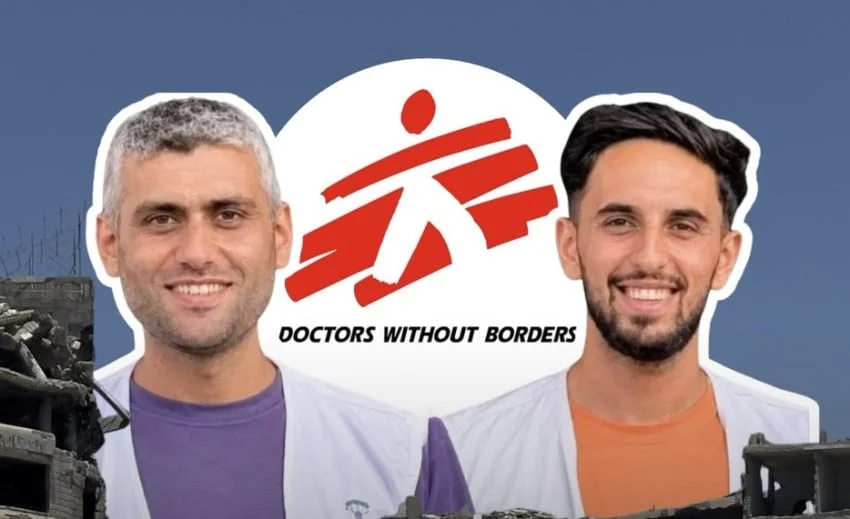
The ongoing conflict in the Gaza Strip reached another grim milestone as an Israeli military strike targeted a clinic operated by the international medical humanitarian organization Doctors Without Borders, widely known by its French acronym MSF (Médecins Sans Frontières). The targeted assault, which struck a facility in Gaza City, resulted in the immediate deaths of two local staff members who were serving as security guards at the facility. This devastating development has not only plunged the humanitarian community into profound mourning but has also reignited intense global scrutiny regarding the protection of aid workers, medical infrastructure, and civilian zones in active combat areas.
The incident underscores the extreme perils faced by humanitarian personnel operating in one of the most volatile and densely populated conflict zones in modern history. As international humanitarian law strictly designates medical facilities, personnel, and transport as protected entities, the destruction of an explicitly marked MSF facility has sent shockwaves through the global community, prompting urgent calls for transparency, accountability, and immediate measures to safeguard those dedicated to alleviating human suffering.
Devastating Confirmation and Immediate Aftermath
The tragic news was formally broken by Doctors Without Borders through official statements released on the social media platform X, formerly known as Twitter, and subsequently corroborated by regional news networks such as Al Jazeera. According to the organization’s dispatches, the strike occurred during the evening hours, directly hitting a clinic that served as a critical hub for community healthcare in Gaza City.
"We are deeply devastated and outraged by the death of two of our colleagues, both of whom served as guards, in an Israeli attack on one of our clinics in Gaza tonight," MSF stated in their public communications. The organization categorically condemned the event, labeling it a direct and deliberate strike against a known humanitarian installation.
The victims, whose identities have been withheld pending full notification of their families and to ensure the privacy and safety of surviving relatives, represent the human cost of a war that has consistently blurred the lines between combatants and humanitarian actors. With these two fatalities, the cumulative death toll of MSF personnel killed in the Gaza Strip since the escalation of hostilities has risen to 17. This grim statistic highlights a systemic failure in the mechanisms designed to protect aid workers, despite their constant communication of coordinates and operational statuses to the warring parties.
Deconfliction Protocols and Explicit Markings
One of the most contentious aspects of the strike centers on the issue of deconfliction and the visibility of the targeted structure. Doctors Without Borders maintains rigorous operational protocols in every conflict zone where it deploys. These protocols include the explicit geographical mapping of all medical clinics, hospitals, warehouses, and personnel housing units, which are subsequently shared with all relevant military commands to prevent accidental targeting.
In the wake of the Gaza City strike, MSF issued a stern reminder regarding these protocols, emphasizing that the targeted facility left no room for ambiguity regarding its status. The location, according to the organization, was clearly marked with the universally recognized MSF logo, ensuring high visibility from both ground and aerial perspectives. Furthermore, the exact geographic coordinates of the clinic had been formally and repeatedly communicated to the Israeli military through established deconfliction channels.
This disclosure raises critical questions regarding military targeting intelligence, adherence to the rules of engagement, and the effectiveness of current deconfliction frameworks. Humanitarian organizations rely heavily on these notification systems to ensure the safety of their teams. When explicitly marked facilities continue to be struck despite prior notification, it severely undermines the operational capacity of aid agencies and instills a profound sense of vulnerability among personnel on the ground.
Chronology of Escalating Risks for MSF in Gaza
To fully understand the gravity of the recent strike on the Gaza City clinic, it is essential to examine the broader timeline of MSF operations and challenges since the outbreak of the current conflict. The escalation that began in October 2023 transformed the Gaza Strip into an unprecedented humanitarian crisis zone, characterized by widespread infrastructural collapse and mass displacement.
In the initial weeks of the conflict, MSF teams struggled to maintain emergency rooms, surgical units, and outpatient clinics amid relentless bombardment and severe shortages of medical supplies, electricity, and clean water. Despite these near-impossible conditions, staff members remained committed to treating thousands of wounded civilians, burn victims, and patients suffering from chronic illnesses.
As the conflict wore on into late 2023 and throughout 2024, medical facilities increasingly became caught in the crossfire or were directly ordered to evacuate under military directives. MSF facilities, vehicles, and personnel shelters experienced multiple security incidents, ranging from collateral damage caused by nearby explosions to direct hits.
The accumulation of casualties among MSF staff members illustrates a worsening trajectory:
- Early Phase: Initial disruptions to supply chains and minor structural damages to facilities due to proximity blasts.
- Mid-Phase: Increasing displacement of medical teams, attacks on convoys, and mounting casualties among local doctors, nurses, and support staff.
- Current Phase: Direct strikes on clearly demarcated stationary clinics, culminating in the tragic deaths of the two security guards in Gaza City and bringing the total organizational death toll to 17.
This timeline demonstrates a continuous erosion of the safety margins that international humanitarian law mandates for medical missions, reflecting an alarming disregard for the sanctity of humanitarian space.
Broad International Reactions and Humanitarian Appeals
The targeting of the MSF clinic prompted swift and severe condemnations from various international bodies, human rights organizations, and diplomatic missions. The United Nations and multiple non-governmental organizations reiterated that attacks on medical facilities constitute grave violations of international humanitarian law and may amount to war crimes.
Global leaders and humanitarian advocates have continually stressed that the protection of aid workers is not merely a moral obligation but a legally binding requirement under the Geneva Conventions. The systematic decimation of Gaza’s healthcare infrastructure has left millions of residents with virtually no access to emergency medical care, compounding the trauma of displacement, starvation, and ongoing violence.
In response to the latest strike, international representatives called for independent, transparent investigations into the incident. Humanitarian agencies argue that internal military reviews are insufficient to restore trust and demand accountability to deter future violations. Furthermore, coalitions of aid organizations have renewed their appeals for an immediate and sustained ceasefire, arguing that the delivery of life-saving assistance is fundamentally incompatible with active, high-intensity urban combat.
Implications for the Future of Aid Delivery in Conflict Zones
The implications of the attack on the Doctors Without Borders clinic extend far beyond the immediate geographical boundaries of the Gaza Strip, casting a long shadow over the future of global humanitarian operations.
First and foremost, the persistent targeting of aid workers creates an atmosphere of paralyzing fear, forcing organizations to re-evaluate their risk assessments. When local staff—who form the backbone of humanitarian response in inaccessible areas—can be killed inside clearly marked facilities, the psychological barrier to continuing operations becomes immense. Agencies face the agonizing dilemma of either staying to save lives at the ultimate personal cost or suspending operations, which inevitably leads to a complete breakdown of support systems for vulnerable populations.
Secondly, the incident severely strains the relationship between humanitarian actors and military commands. The integrity of the deconfliction system relies entirely on mutual trust and strict adherence to notifications. If military forces fail to respect pre-notified coordinates, the entire architecture of humanitarian negotiation collapses, making it nearly impossible to guarantee safe passage for food, medicine, and personnel.
Finally, the broader geopolitical and legal implications cannot be ignored. Human rights lawyers and international legal experts are closely monitoring these repeated incidents to build documentation for potential accountability proceedings in international tribunals. While immediate legal remedies remain constrained by geopolitical realities, the accumulation of documented violations creates a historical record that will shape international jurisprudence regarding the protection of civilians and aid workers for decades to come.
Conclusion
The tragic strike on the Doctors Without Borders clinic in Gaza City, resulting in the deaths of two dedicated staff members and pushing the organization’s wartime death toll to 17, is a stark reminder of the human cost of contemporary warfare. Despite explicit markings and rigorous deconfliction protocols known to the Israeli military, the facility could not escape the devastation of the ongoing conflict.
As the international community continues to reel from this incident, the imperative for accountability, strict adherence to international humanitarian law, and the immediate protection of medical personnel and infrastructure has never been more urgent. Without a fundamental shift in military conduct and a renewed commitment to safeguarding humanitarian spaces, the crisis in Gaza will continue to claim the lives of those who have dedicated themselves to preserving humanity in its darkest hours.