The familiar scene of a grandfather attending the dawn prayer at a mosque, sitting in the front row, listening intently to the cleric’s sermon with rapt attention, is increasingly becoming a nostalgic memory for many. This was the essence of "dakwah" – a direct encounter between speaker and listener, a communion of hearts. Today, however, the landscape of religious outreach has dramatically transformed. In a modern cafe, one observes a young individual, earbuds in, engrossed in a smartphone screen displaying a meticulously dressed religious scholar speaking from a studio with a green backdrop. This individual nods, smiles, and then scrolls to the next video. This migration of dakwah, from the physical pulpit to the digital screen, from the mosque to the palm of one’s hand, raises a crucial question: does the message conveyed remain the same?
The Unfolding Digital Revolution in Religious Engagement
The sheer volume of data paints a stark picture of this societal shift. According to the We Are Social Digital 2025 report, internet users in Indonesia have surpassed 220 million, with individuals spending an average of over three hours daily on social media. This translates to more than 45 full days per year, excluding sleep, dedicated to scrolling through digital feeds. It is within this pervasive digital ecosystem that dakwah has found its new, expansive stage.
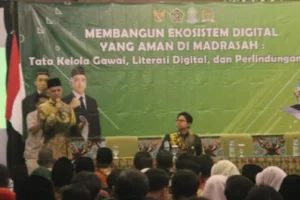
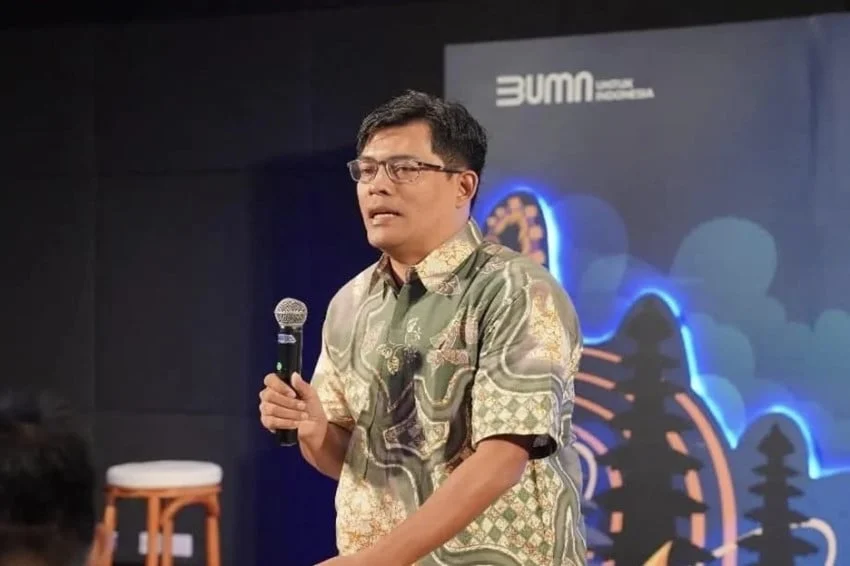
KH Masduki Baidlowi, Chairman of the Indonesian Ulema Council (MUI) for Information, Communication, and Digital Affairs (Infokomdigi), highlights this fundamental alteration in audience demographics. "Our audience today has completely changed," he stated. "They are young people – Generation X, Millennials, Z, and even Generation Alpha. They are all digital natives, while we are the older generation, digital immigrants. This gap must be addressed."
This "gap" is not merely a technical hurdle concerning who can upload videos and who cannot. It represents a profound civilizational shift in how individuals approach and acquire religious understanding. Recent surveys indicate that over 60 percent of Indonesia’s population is now comprised of young people who predominantly gain their religious insights from digital spaces rather than traditional, authoritative institutions. "The phenomenon now is that young people are learning about religion not from their ustadz or institutions like MUI, but from algorithms," Masduki observed.
Consider the implications: a young person in Sumatra might form their religious worldview not from their local Quran teacher or the classical texts taught by their village cleric, but from viral videos appearing on their TikTok feed. The questions they once posed to a trusted religious authority are now directed towards search engines. "The phenomenon now is that young people are learning about religion not from their ustadz or institutions like MUI, but from algorithms," Masduki reiterated. "They ask search engines or social media. This is a new phenomenon that is potentially dangerous because algorithms are textual tools; they can cut out verses without context."
A Historical Perspective: The Evolution of Dakwah
Historically, dakwah has been a cornerstone of Islamic propagation, characterized by direct, personal interaction. From the early days of Islam, the Prophet Muhammad (peace be upon him) and his companions engaged in direct discourse, face-to-face teaching, and community building. This tradition continued through centuries, with scholars and preachers utilizing mosques, madrasahs, and public gatherings as primary venues for disseminating religious knowledge and moral guidance. The physical presence of the speaker, the communal atmosphere of the mosque, and the shared experience of listening fostered a deep sense of connection and understanding.
The advent of mass media in the 20th century, such as radio and television, began to extend the reach of dakwah beyond immediate geographical limitations. Religious programs became a staple on these platforms, allowing prominent scholars to reach larger audiences in their homes. This marked a significant expansion, but the fundamental model of a controlled broadcast, often curated by established institutions, still largely prevailed.
The true paradigm shift, however, began with the proliferation of the internet and, more recently, the explosion of social media platforms. The rise of smartphones has placed an unprecedented power of information access and dissemination directly into the hands of individuals. This democratization of content creation and consumption has fundamentally altered the dynamics of religious discourse.
The Digital Landscape: New Platforms, New Audiences
The digital realm offers a multitude of platforms where dakwah is now flourishing. YouTube remains a dominant force, hosting vast libraries of lectures, sermons, and Q&A sessions from renowned religious figures and emerging online personalities. Platforms like Instagram and Facebook facilitate shorter, more visually engaging content, including infographics, short video clips, and live Q&A sessions.
However, it is the rise of short-form video platforms, such as TikTok and Instagram Reels, that has most profoundly impacted how younger generations consume religious content. These platforms are designed for rapid, algorithm-driven content delivery, prioritizing engagement and virality. This environment favors concise, attention-grabbing messages, often devoid of the nuance and depth that traditional dakwah formats allowed.
The accessibility of these platforms means that anyone with a smartphone and an internet connection can potentially become a content creator, bypassing traditional gatekeepers of religious knowledge. While this democratizes access, it also raises concerns about the authenticity, accuracy, and theological soundness of the information being disseminated.
Data-Driven Insights: The Digital Native’s Consumption Habits
The statistics underscore the profound impact of digital media on religious learning. A 2023 study by the Indonesian Ministry of Communication and Information Technology revealed that over 70% of Indonesian internet users aged 15-24 actively consume religious content online. This demographic, largely comprising digital natives, has grown up with the internet as an integral part of their lives, shaping their information-gathering habits.
Furthermore, research indicates a growing preference among younger generations for visual and interactive content. Video lectures, animated explanations of religious concepts, and live streaming sessions are often more appealing than lengthy written texts or traditional audio sermons. This preference necessitates a significant adaptation from religious educators and institutions seeking to remain relevant.
The concept of "algorithmic learning" is particularly concerning. Algorithms are designed to maximize user engagement by recommending content similar to what the user has previously interacted with. This can lead to the formation of "echo chambers" or "filter bubbles," where individuals are primarily exposed to information that confirms their existing beliefs, potentially limiting their exposure to diverse perspectives and critical analysis. In the context of religious learning, this can mean an individual is continuously fed content that aligns with a particular interpretation, reinforcing it without critical examination.
Expert Perspectives and Concerns
The shift has not gone unnoticed by religious authorities and scholars. Many acknowledge the necessity of engaging with digital platforms to reach contemporary audiences. However, there are also significant concerns about the potential pitfalls.
Dr. Amin Abdullah, a prominent Islamic scholar and professor of comparative religion, has voiced concerns about the "fragmentation of knowledge" in the digital space. "When a verse of the Quran or a Hadith is presented in isolation, stripped of its historical context, its exegetical background, and the scholarly consensus surrounding it, the potential for misinterpretation is immense," he stated in a recent seminar. "This can lead to a superficial understanding of Islam, or worse, to extremist ideologies."
The challenge lies in balancing the reach and engagement offered by digital media with the intellectual rigor and scholarly integrity that has historically defined religious discourse. The speed at which information, and misinformation, can spread online amplifies these challenges. A fabricated hadith or a misconstrued theological point can go viral within hours, reaching millions before it can be effectively debunked or corrected.
Implications for the Future of Dakwah
The implications of this digital transformation are far-reaching. For religious institutions, it necessitates a strategic overhaul of their outreach methods. This includes investing in digital literacy for their scholars and imams, developing engaging online content, and actively participating in digital conversations. The ability to produce high-quality, accurate, and contextually rich digital content will become a key determinant of influence.
For individuals, particularly young people, it underscores the importance of critical thinking and media literacy. Developing the skills to discern credible sources, cross-reference information, and understand the context of religious teachings is paramount. Encouraging a balanced approach, where digital learning complements rather than entirely replaces traditional methods of seeking knowledge, is crucial.
The future of dakwah will likely involve a hybrid model, integrating the strengths of both traditional and digital approaches. The warmth of face-to-face interaction in mosques and community centers can be augmented by the vast reach and accessibility of online platforms. The challenge lies in ensuring that this evolution serves to deepen understanding, foster critical engagement, and strengthen the spiritual and ethical fabric of society, rather than contributing to fragmentation and misinterpretation.
The journey from the mosque’s hushed reverence to the glowing screen of a smartphone represents a profound societal and religious evolution. The digital mimbar is here to stay, and navigating its complexities with wisdom, integrity, and a commitment to authentic knowledge will be the defining task for religious discourse in the 21st century. The echoes of the kiai’s sermon in a quiet mosque hall may be fading for some, but the digital whispers of faith are reaching further than ever before, demanding a new form of attentiveness and discernment.