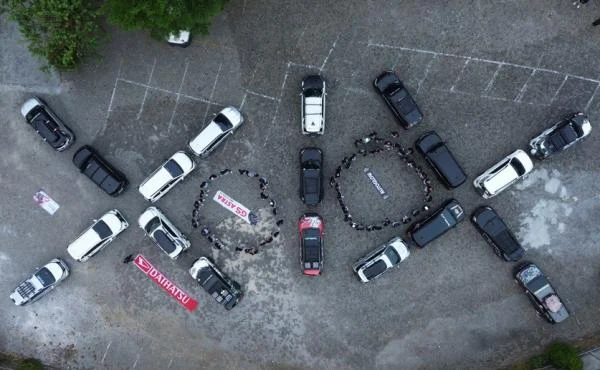
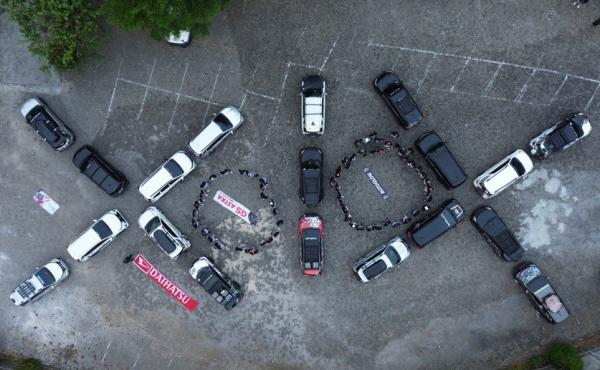
The Terios Rush Club Indonesia (TeRuCI), one of the most prominent automotive enthusiast communities in the country, recently marked a significant milestone by hosting its 19th Anniversary celebration in conjunction with its 10th National Conference (Munas). Held in the province of Lampung, the event brought together hundreds of members from various regional chapters across the Indonesian archipelago, underscoring the organization’s enduring commitment to camaraderie, automotive excellence, and humanitarian engagement.
A Legacy of Brotherhood and Organizational Evolution
For nearly two decades, TeRuCI has functioned as a central hub for owners of Daihatsu Terios and Toyota Rush vehicles. Since its inception, the club has evolved from a small group of enthusiasts into a structured organization with a nationwide presence. The 19th Anniversary serves as a testament to the club’s longevity in an era where many automotive communities struggle to maintain long-term engagement.
The 10th National Conference, held concurrently with the anniversary, was designed as a critical platform for governance and strategic planning. These conferences are pivotal for the organization, as they allow for the amendment of bylaws, the election of central leadership, and the alignment of the club’s future vision with the changing landscape of the automotive industry.
Budhy Prihantoro, the current Kumendan Pusat (Central Commander) of TeRuCI, emphasized that the organization’s longevity is not merely a result of shared mechanical interests, but rather the strength of the interpersonal relationships forged over the years. "19 years is a long journey built on the foundation of brotherhood," Prihantoro stated during the event. "The 10th National Conference is a momentum to strengthen our organizational structure and ensure that TeRuCI remains a solid, forward-thinking entity that provides value to its members."
Chronology of the Anniversary and Munas Proceedings
The multi-day event in Lampung was structured to balance formal organizational business with social activities and community outreach. The proceedings began with a formal opening ceremony that saw delegates from various chapters arriving in a display of unity, reflecting the "touring culture" that defines the club.
The core agenda for the National Conference included:
- Evaluation of Previous Tenure: Reviewing the performance of the Central Committee and the success of regional programs over the past term.
- Policy Formulation: Discussing safety protocols for future touring activities, as well as digital transformation initiatives to better connect members in remote areas.
- Leadership Succession: Conducting internal elections to determine the leadership trajectory for the next term, ensuring continuity and fresh perspectives.
- Anniversary Celebrations: A gala event featuring cultural performances and member recognition awards, honoring those who have contributed significantly to the club’s growth.
Integrating Social Responsibility into Automotive Culture
A defining feature of the 19th-anniversary celebration was the emphasis on Corporate Social Responsibility (CSR). Recognizing the privilege and influence of their large membership base, TeRuCI leadership integrated a philanthropic mission into the event. The club organized a formal visit to a local Islamic boarding school (pondok pesantren) in South Lampung to provide financial assistance and essential supplies.

Gofan Wijaya, the Chairperson of the 19th Anniversary and 10th Munas committee, noted that the club’s leadership was keen to ensure the anniversary left a tangible impact on the host region. "We want our anniversary to be more than just a party for car enthusiasts," Wijaya remarked. "It is about fostering a spirit of togetherness and demonstrating that our love for the vehicle is matched by our concern for our fellow citizens."
This approach aligns with the broader trend of automotive clubs in Indonesia acting as conduits for social impact. By engaging in local charity, TeRuCI actively works to improve the public image of car communities, often unfairly labeled as exclusive or disruptive. Instead, the club positions itself as a partner to local communities, demonstrating that organized enthusiasts can contribute positively to regional development and social welfare.
The Role of Automotive Communities in Indonesia
To understand the significance of TeRuCI’s 19-year tenure, one must look at the landscape of the Indonesian automotive sector. The Terios and Rush models are among the most popular Low SUV (LSUV) vehicles in the country, prized for their durability and suitability for Indonesia’s diverse road conditions.
As of 2026, the automotive market in Indonesia remains robust, with millions of households relying on these vehicles for daily transportation and long-distance travel. Clubs like TeRuCI play several vital roles:

- Technical Knowledge Sharing: Members provide a support network for vehicle maintenance, troubleshooting, and modifications.
- Safety Advocacy: Through their touring events, clubs disseminate information on defensive driving, road safety, and traffic law compliance.
- Economic Impact: Large-scale events like the Munas stimulate local tourism in the host region, as hundreds of members book accommodations, dine at local establishments, and utilize local services.
Analysis: Navigating Challenges and Future Growth
The automotive community sector faces unique challenges in the modern era, including the transition toward electric vehicles (EVs) and the increasing influence of digital social media platforms. TeRuCI’s ability to sustain its membership for 19 years suggests a successful adaptation to these shifts. By maintaining a balance between physical gatherings—which foster deep personal bonds—and utilizing digital communication, the club has managed to bridge the gap between different generations of car owners.
Furthermore, the emphasis on the "National Conference" aspect of their gathering indicates a high level of organizational maturity. In many hobbyist groups, leadership is often informal and prone to friction. TeRuCI’s commitment to a formal Munas process suggests a democratic approach to leadership, which is likely a key factor in their longevity.
The implications for the future are clear: as the automotive landscape in Indonesia shifts toward more modern, connected, and potentially electrified vehicle platforms, clubs like TeRuCI will serve as essential feedback loops for manufacturers. They provide a direct line of communication between the end-users and the brand, helping to identify recurring technical issues and identifying features that consumers prioritize.
Strengthening the National Identity
The selection of Lampung as the venue for this year’s anniversary is also noteworthy. By holding the event outside the capital city of Jakarta, TeRuCI continues to decentralize its operations, signaling that the community is not merely a metropolitan phenomenon but a national one. This geographic diversity is essential for the club’s goal of fostering a sense of national unity among members who may otherwise never interact.

As the event concluded, the consensus among the participants was one of renewed vigor. The 19th-anniversary celebration has effectively solidified the bond between the members and reaffirmed the club’s commitment to its founding principles: brotherhood, social concern, and a passion for the road.
As TeRuCI looks toward its 20th year—a milestone that will mark two decades of existence—the organization is well-positioned to continue its trajectory. With a solid governance structure, a clear focus on social impact, and an active, engaged membership base, the club remains a flagship example of how automotive enthusiasm can be channeled into a productive, community-driven force in Indonesia.
The success of the Lampung event serves as a blueprint for other automotive communities. It demonstrates that the secret to long-term success is not found in the specifications of the vehicles themselves, but in the organizational culture, the commitment to giving back, and the unwavering dedication to the people who form the core of the community. As the members of TeRuCI return to their respective regions, they carry with them the lessons of the 10th Munas, ready to apply them to the next chapter of the club’s long and storied history.