
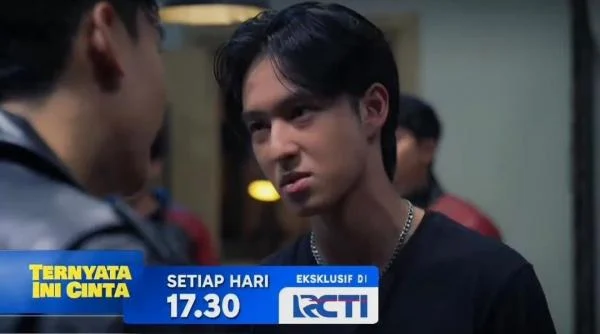
The television drama series Ternyata Ini Cinta, broadcast daily at 17:40 WIB on the RCTI network, has reached a critical narrative juncture, drawing significant viewer attention due to its complex intertwining of domestic discord and the evolving social dynamics of its teenage protagonists. As the series progresses, the plot has shifted from lighthearted teenage interactions to high-stakes emotional confrontations, reflecting the show’s dual-track storytelling strategy. Starring a diverse ensemble cast including Elsa Japasal as Luna, Ari Irham as Marco, Betrand Peto as Bima, and Yusuf Kartiko as Saga, the production has successfully maintained a consistent viewership demographic by balancing mature familial themes with the burgeoning romantic challenges faced by the younger characters.
Narrative Escalation: The Collapse of the Roman Household
The primary catalyst for the recent shift in tone is the revelation regarding the past of the character Rifky. The narrative arc surrounding the household of Roman has become the central focus of the drama, as the long-held secret of Rifky’s previous marriage to Prisil was finally exposed. This revelation has triggered a domino effect of domestic instability. For Roman, the patriarch of the family, the discovery that he had been deceived for years proved to be an insurmountable breach of trust. His subsequent decision to vacate the family residence marks a significant turning point in the series, effectively dismantling the family unit and setting the stage for long-term narrative tension.
Prisil, whose role in concealing the truth is the focal point of this conflict, finds herself in a position of extreme vulnerability. Her attempts to reconcile with Roman and prevent his departure have thus far proven futile, highlighting the severity of the betrayal. This arc is further complicated by the emotional response of Mila, who is caught in the crossfire of her parents’ disintegrating marriage. Her reaction, characterized by profound anger and direct accusations against Prisil, underscores the intergenerational trauma often explored in contemporary Indonesian soap operas, providing a relatable entry point for audiences who value character-driven drama.
Corporate Intrigue and the Conflict of Loyalties
Parallel to the domestic crisis is the secondary narrative involving the corporate and criminal underpinnings of the show’s universe. Saga, a character increasingly central to the show’s plot, has uncovered evidence of corporate malfeasance involving Reno. According to information obtained by Saga from his associate, Andi, Reno has been conducting clandestine operations at the Atmaja Otomotif office, a facility owned by the character Dewa.
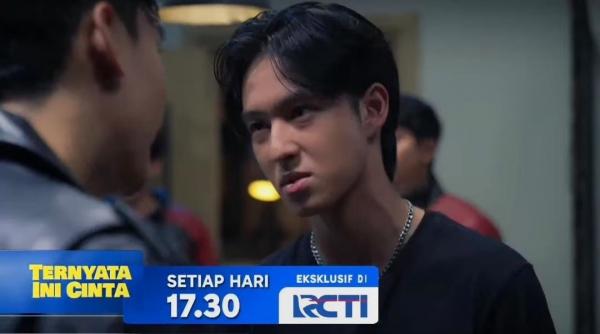
The subsequent confrontation between Saga and Reno serves as a microcosm of the show’s broader themes of integrity and betrayal. It was revealed that Reno had been operating under the direct influence of the antagonist, Mad Dog, without the knowledge of his peers. This discovery led to a physical confrontation, signaling a move toward more aggressive, action-oriented plot points. This element of the show adds a layer of investigative tension, separating it from standard family dramas and appealing to a broader demographic interested in corporate espionage and conflict resolution.
Adolescent Uncertainty and the Coming-of-Age Arc
While the adults navigate the fallout of betrayal and corporate sabotage, the younger characters—Luna, Vera, and Tina—are grappling with their own coming-of-age challenges. The recent "slumber party" scene, while seemingly lighthearted, functioned as a critical space for character development. The discussion regarding Luna’s romantic feelings for Saga reflects the quintessential teenage dilemma of balancing comfort and familiarity against the complexities of a relationship.
Luna’s hesitation regarding Saga is framed by a realistic assessment of the risks involved. While Saga offers consistent emotional support and remains a reliable presence in her life, Luna’s doubts highlight the internal conflict faced by young adults in the series. This narrative thread is essential for maintaining the show’s "teenage friendship" appeal, as it allows the audience to project their own experiences onto the characters. The writing team’s focus on these internal monologues provides a necessary reprieve from the intense, high-drama conflicts involving the older cast members.
Production Context and Industry Trends
Ternyata Ini Cinta occupies a prime-time slot on RCTI, a channel known for its dominance in the Indonesian soap opera (sinetron) market. The success of such programs is often measured by their ability to generate "social media sentiment," where fans actively discuss plot points on platforms like X (formerly Twitter) and Instagram. By casting popular influencers and young actors like Elsa Japasal and Betrand Peto, the production effectively bridges the gap between traditional television audiences and digital-native viewers.
In the Indonesian television landscape, the "conflict-driven" model remains the gold standard for audience retention. Data from media research firms often indicate that episodes featuring intense emotional confrontations or "plot twists" see a measurable spike in ratings compared to episodes focused solely on character development. The current trajectory of the series—specifically the crumbling of the Roman household—is a strategic move to ensure sustained engagement throughout the current season.
Analytical Perspective: The Impact of Narrative Pacing
From a media studies perspective, the structure of Ternyata Ini Cinta follows the classic "serialized melodrama" format. The inclusion of two distinct plot lines—the domestic drama and the corporate intrigue—allows the show to oscillate between high-intensity drama and more relatable social interactions. This oscillation is vital for preventing "narrative fatigue," a common issue in long-running serials where viewers may lose interest due to a singular, repetitive conflict.
The implication of the current plot trajectory is clear: the show is moving toward a climax that will force all characters to choose sides. As Mila’s resentment toward Prisil grows and the conflict between Saga and Reno intensifies, the narrative pressure will likely reach a point where the status quo of the series is irrevocably altered. This is a common device used to set up mid-season finales or major arc conclusions.
Official Communication and Viewer Engagement
The production team has actively encouraged viewer engagement through digital channels. The integration of official WhatsApp channels for updates is a testament to the evolving nature of television promotion in Indonesia. By creating a direct line of communication with the audience, the network ensures that even casual viewers stay informed about shifts in the broadcast schedule or special event programming.
As the series continues, the primary questions facing the audience remain: Will Roman ever reconcile with Prisil, or is the damage to their marriage permanent? Furthermore, how will the involvement of Mad Dog affect the stability of the Atmaja Otomotif firm? These questions are the engines that drive the show’s daily viewership.
Looking Ahead
As the narrative unfolds, viewers can expect the fallout from the secret regarding Rifky to deepen, likely impacting the school and social lives of the younger characters. The interplay between the personal lives of the characters and their external challenges remains the show’s strongest asset. With a robust ensemble cast and a writing style that emphasizes high-stakes emotional confrontation, Ternyata Ini Cinta is positioned to remain a staple of the RCTI evening lineup.
The development of the conflict between Saga and Reno is particularly noteworthy, as it suggests a more complex, multi-layered approach to the series’ antagonists. By grounding these conflicts in tangible settings like the Atmaja Otomotif office, the show provides a sense of realism that resonates with the audience, effectively grounding the emotional outbursts in a relatable, real-world context. For those following the daily progression of the characters, the coming episodes will be pivotal in determining whether the household of Roman can survive the weight of the past or if the cycle of mistrust will continue to dictate their future.
