The Lembaga Perlindungan Saksi dan Korban, or the Witness and Victim Protection Agency (LPSK), has been formally called upon to intervene and provide urgent psychological counseling and trauma recovery services to female students at an Islamic boarding school for girls located in Sukoharjo, Central Java. This appeal follows a high-stress police raid conducted during the early morning hours, an operation that has sparked widespread public debate regarding law enforcement protocols, the treatment of vulnerable populations, and the necessity of safeguarding human rights during criminal investigations.
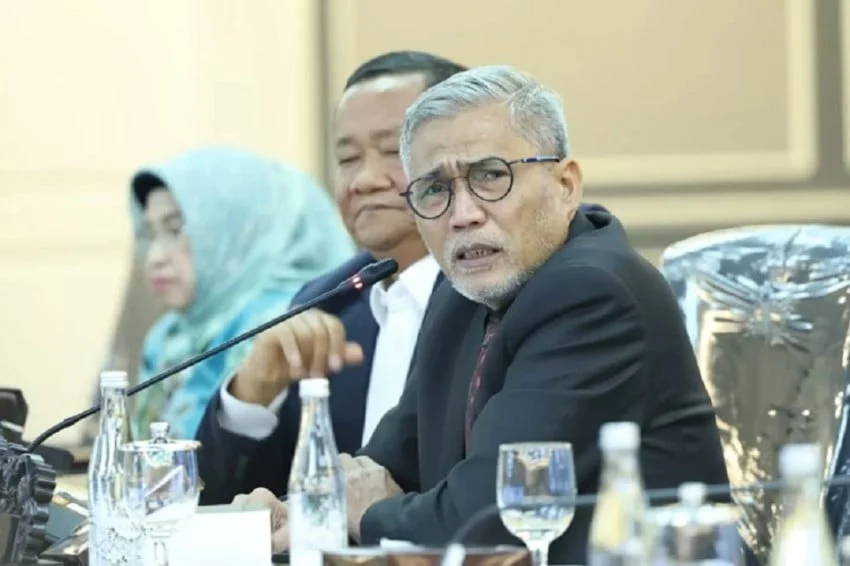
The demand for intervention was voiced by Mafirion Syamsuddin Rogo, a member of Commission XIII of the House of Representatives (DPR), which oversees legal, human rights, and security affairs. Lawmaker Mafirion emphasized that the psychological toll inflicted upon the young students, many of whom are minors, requires immediate professional attention to prevent long-term emotional distress. As public scrutiny intensifies over the methods utilized by local authorities during the predawn operation, civil society organizations, religious institutions, and legislative figures are scrutinizing the balance between maintaining public security and upholding the dignity of citizens, particularly within educational and religious sanctuaries.
Background Context of the Sukoharjo Raid
The incident centers on a prominent Islamic boarding school, or pondok pesantren, designated specifically for female students in the Sukoharjo regency of Central Java. Islamic boarding schools hold a deeply revered position within the Indonesian social and religious landscape, serving not only as educational institutions providing comprehensive religious and general knowledge but also as residential communities where students live away from their families under the care of religious leaders, known as kyai or ustadz.
In recent years, the relationship between law enforcement agencies and religious educational institutions has been a delicate subject. While the state retains the undeniable mandate to investigate criminal allegations, execute search warrants, and maintain public order, the cultural and religious sensitivities inherent to traditional boarding schools require a nuanced approach. The operational dynamics of girls’ dormitories, in particular, demand strict adherence to privacy and modesty standards, core tenets upheld within Islamic environments.
According to preliminary accounts provided by the management of the Sukoharjo pesantren, the police raid occurred unexpectedly in the middle of the night. The sudden intrusion into the residential quarters of the female students created an atmosphere of intense panic and disorientation. Reports indicate that due to the abrupt nature of the operation, the students were given virtually no time to prepare, resulting in a scenario where many young girls were forced to face armed or uniformed officers without adequate time to adjust their attire or properly observe traditional Islamic dress codes regarding the covering of the aurat (modesty requirements). This specific aspect of the raid has drawn fierce condemnation from community leaders and legal observers, who argue that the execution of the search violated basic protocols of human decency and gender sensitivity.
Chronology of Events and Escalation
While comprehensive official police logs detailing the precise timeline of the operation remain under internal review, the general sequence of events leading up to and following the raid has been pieced together through legislative inquiries and statements from school administrators.
The operation commenced during the predawn hours—typically the time of deepest sleep for the residential students and a period traditionally reserved for religious morning preparations such as the Tahajud or Subuh prayers. Law enforcement personnel arrived at the facility to execute a legal mandate related to an ongoing investigation. However, the manner of entry bypassed standard protocols that usually involve coordination with senior boarding school authorities to ensure a controlled and orderly process.
Upon breaching the premises, officers moved quickly to secure various zones of the complex, including the dormitories housing the minor female students. The sudden commotion, accompanied by shouting, flashing lights, and the physical presence of unfamiliar law enforcement personnel inside secure residential spaces, startled the sleeping adolescents. Witnesses reported that many students woke up terrified, believing they were under attack. The lack of prior notification meant that institutional leaders were unable to calm the students or guide the officers to ensure that the search was conducted with minimal psychological disruption to the children.
In the immediate aftermath of the raid, the leadership of the pesantren voiced profound shock and distress over the treatment of their students. Within days, the incident gained national attention, prompting educational federations and human rights advocates to demand transparency and accountability. The call by MP Mafirion Syamsuddin Rogo for LPSK involvement marks a critical transition from political posturing to tangible victim support mechanisms.
Official Responses and Legislative Demands
The political and institutional reaction to the Sukoharjo raid has been swift, reflecting deep concern among national legislators regarding police accountability. Mafirion Syamsuddin Rogo, representing the National Awakening Party (PKB) faction within Commission XIII, issued a firm statement outlining the legal and moral obligations of law enforcement agencies when operating within sensitive environments.
Mafirion asserted that while the police possess the statutory authority to enforce the law, the execution of such duties must invariably incorporate principles of prudence, proportionality, and special protection for vulnerable groups. Women and children, he noted, are legally categorized as protected classes under both Indonesian national law and international human rights frameworks.
"We are formally requesting the LPSK to step in and deliver psychological counseling to the female students, particularly the minors who have suffered acute trauma as a result of this predawn raid," Mafirion stated. "The restoration of the psychological well-being of these victims must be treated as an absolute priority. We must ensure that this traumatic experience does not leave permanent psychological scars on their development."
The legislator further stressed that law enforcement operations must never compromise human dignity. "Although law enforcement is a vital state function, its execution must respect human rights, gender sensitivities, and the special protections owed to children. Police procedures must be evaluated to ensure that operational urgency does not override basic humanitarian standards."
This stance echoes parallel demands issued by other prominent Islamic educational bodies. Notably, the central leadership of PP Mamba’ul Ma’arif, a respected educational network, publicly urged the Chief of the Indonesian National Police (Kapolri) to conduct a thorough and transparent internal investigation into the raid. Such coordinated pressure from religious and political sectors underscores a growing institutional consensus that accountability mechanisms must be reinforced within the national police force.
The Mandate and Role of LPSK in Trauma Recovery
The involvement of the Lembaga Perlindungan Saksi dan Korban (LPSK) is pivotal in cases where state actions or criminal offenses result in severe psychological trauma, particularly among minors. Established under Undang-Undang No. 13 Tahun 2006 on the Protection of Witnesses and Victims (and later amended by UU No. 31 Tahun 2014), LPSK is mandated to provide comprehensive assistance, which includes physical protection, procedural facilitation, legal assistance, and psychological as well as medical rehabilitation.
In scenarios involving institutional trauma—such as sudden law enforcement raids on schools, orphanages, or residential facilities—children often manifest symptoms of post-traumatic stress disorder (PTSD). These symptoms can include chronic anxiety, sleep disturbances, academic regression, withdrawal, and severe fear of authority figures. For students residing in boarding schools away from their biological families, the absence of immediate parental support amplifies the need for specialized psychological intervention delivered by certified trauma counselors.
By requesting LPSK intervention, lawmakers aim to secure professional, independent psychological support that is insulated from institutional biases. LPSK possesses the administrative apparatus and expert networks required to deploy clinical psychologists to the affected region, ensuring that the students receive individualized and group therapy tailored to their specific developmental stages.
Broader Implications for Law Enforcement and Child Protection
The Sukoharjo incident carries profound implications for the future conduct of criminal investigations and police operations throughout Indonesia. It highlights a recurring tension between aggressive investigative techniques and the constitutional rights of citizens to privacy, safety, and humane treatment.
-
Reform of Police Standard Operating Procedures (SOPs)
Legal analysts point out that the incident underscores an urgent need to reform the Standard Operating Procedures (SOPs) governing law enforcement raids on educational, religious, and residential facilities for minors. When operations involve boarding schools, standard protocols should mandate prior coordination with institutional heads, the presence of female officers during searches of female quarters, and the avoidance of predawn operations unless an immediate, verified threat to life or evidence destruction is imminent. -
Integration of Human Rights and Child-Centric Training
The psychological fallout of the Sukoharjo raid demonstrates that structural training within police academies must place greater emphasis on child rights, trauma-informed policing, and cultural sensitivity. Officers trained to navigate sensitive cultural environments are better equipped to achieve investigative objectives without inflicting collateral psychological damage on innocent bystanders, especially children. -
Strengthening Oversight Mechanisms
The swift and vocal response from the DPR and religious organizations illustrates the growing strength of civilian oversight in Indonesia. By demanding investigations and specialized victim support, legislative bodies serve as a crucial check against potential overreach by executive law enforcement agencies. This dynamic reinforces the principle of accountability within a democratic state governed by the rule of law.
Conclusion and Future Outlook
The controversy surrounding the predawn raid on the female Islamic boarding school in Sukoharjo, Central Java, serves as a sobering reminder of the delicate balance required in modern law enforcement. As the call for LPSK intervention gains momentum, the immediate focus remains on healing the psychological wounds inflicted upon the vulnerable students.
Beyond immediate trauma recovery, the incident is expected to catalyze broader institutional reviews regarding police conduct, the protection of minors, and the inviolability of educational sanctuaries. Ensuring that justice is pursued without trampling upon human dignity and the rights of children is essential for maintaining public trust in the legal and security institutions of the state. The coming weeks will be critical in determining whether accountability measures are successfully implemented and whether institutional safeguards are established to prevent similar occurrences in the future.