
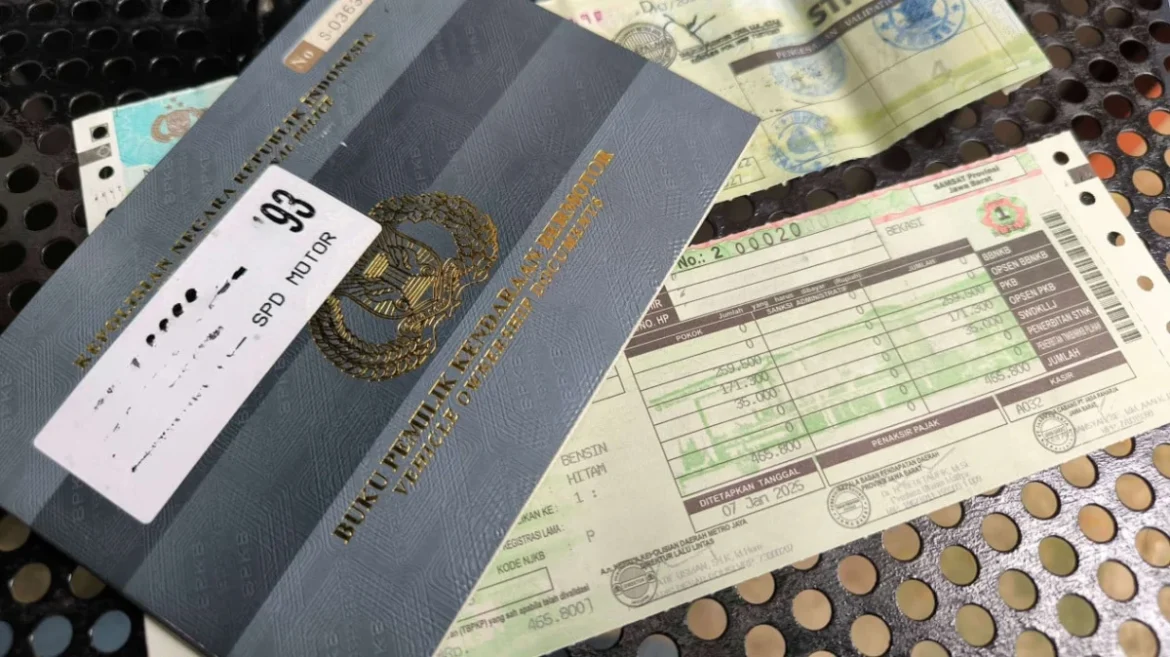
The Indonesian National Police Traffic Corps, known locally as Korlantas Polri, has officially introduced the Digital Vehicle Registration Certificate, commonly referred to as the STNK Digital. This innovative service is designed to allow vehicle owners across the country to seamlessly access vital vehicle documentation and information directly through their digital devices. However, the rollout of this technological advancement has inevitably sparked widespread questions among motorists regarding the operational status of traditional paperwork. With the official introduction of the STNK Digital accessible via smartphones, vehicle owners are naturally eager to know whether the physical paper document remains a legal necessity during everyday travel and routine police inspections.
Addressing these growing inquiries, Korlantas Polri has provided comprehensive clarifications regarding the nature, legal standing, and practical implementation of the new digital platform. According to official statements, the STNK Digital is not merely a scanned image, a digital photograph, or a simple screenshot saved within a smartphone photo gallery. Instead, it serves as a sophisticated electronic representation, or official mirroring, of the legally recognized physical STNK currently in circulation. This distinction ensures that the digital version maintains a high level of authenticity and security, bridging the gap between traditional administrative methods and modern paperless governance within the Indonesian transportation sector.
The background of this digital transformation is rooted in the ongoing modernization efforts led by the Indonesian National Police to streamline administrative procedures, reduce bureaucratic friction, and leverage smartphone technology for public convenience. Over the past several years, Korlantas Polri has systematically developed integrated digital ecosystems to handle various driving and vehicle-related documentation. The centerpiece of this initiative is the Digital Korlantas application, a centralized platform designed to host multiple services, including digital driving licenses and now, vehicle registration details. The integration of the STNK Digital into this application represents a major milestone in the digitalization of national traffic administration, aligning Indonesia with global trends toward smart mobility and digital public service delivery.
Elaborating on the legal framework governing the new system, the Head of Korlantas Polri, Inspector General Police Wibowo, emphasized that the electronic certificate carries legitimate legal authority equivalent to its traditional counterpart. In an official statement released on Friday, September 25, 2026, Inspector General Wibowo clarified the legal positioning of the document. The STNK digital functions as a direct digital mirroring of the active physical STNK and holds identical legal validity to traditional documentation. This official acknowledgment provides reassurance to motorists who might otherwise question the legal enforceability of presenting digital documents during roadside traffic stops or administrative verifications conducted by law enforcement officers.
Despite the introduction of this advanced digital alternative, Korlantas Polri has explicitly refrained from announcing any plans to phase out, abolish, or invalidate the physical STNK. The official communications consistently emphasize that the digital variant acts purely as an electronic representation of the physical paperwork rather than a replacement designed to render paper documents obsolete. Consequently, vehicle owners are strongly advised against hastily discarding or ignoring their physical documents under the assumption that they are no longer required by law. As of the current implementation phase, there has been no official decree or statutory amendment that removes the legal requirement for motorists to possess and maintain the physical version of their vehicle registration certificate.
The primary objective behind the deployment of the STNK Digital is to provide citizens with a convenient alternative method for accessing and managing vehicle-related data. By integrating these records into the official mobile application, vehicle owners are liberated from an absolute reliance on physical paperwork, which can easily be misplaced, damaged, or forgotten at home. When motorists require quick access to their vehicle specifications, tax expiration dates, or ownership details, they can simply retrieve the information through their mobile devices. This accessibility improves personal record-keeping and empowers vehicle owners to monitor their administrative compliance with greater ease and efficiency.
Furthermore, the implementation of the STNK Digital offers substantial operational benefits for traffic law enforcement personnel operating in the field. During routine checkpoints, checkpoints, and accident investigations, police officers frequently need to verify vehicle identities and legal statuses swiftly. The electronic database accessible through the integrated system allows officers to conduct data verifications with heightened accuracy and speed. By cross-referencing the digital mirror against central police databases, authorities can minimize fraudulent activities, such as the use of counterfeit registration papers or duplicate documents, thereby strengthening overall national traffic security and law enforcement capabilities.
The broader implications of this digital transition extend deeply into the realms of public administration, economic efficiency, and environmental sustainability. From an administrative perspective, transitioning certain verification processes to digital platforms helps alleviate the physical workload of regional vehicle registration offices, known locally as Samsat. Citizens can complete various administrative inquiries online, reducing physical queues and minimizing processing times. Economically, the reduction in physical document issuance over the long term could potentially lower administrative overhead costs for the state, while environmentally, a shift toward paperless documentation supports broader national sustainability goals by decreasing paper consumption and waste production.
However, industry analysts and legal observers point out that the successful integration of digital identity systems requires robust cybersecurity infrastructure and reliable internet connectivity across all regions of the archipelago. Because the STNK Digital relies entirely on the functionality of the Digital Korlantas application and stable cellular networks, technical glitches, server downtimes, or poor signal reception in remote areas could temporarily hinder a motorist’s ability to present their digital credentials. This operational reality further underscores why maintaining the physical STNK remains a practical necessity during the transitional phase. A hybrid model—where digital convenience complements rather than completely supplants physical proof—ensures that motorists remain legally protected regardless of technological hurdles or environmental constraints.
Looking ahead, Korlantas Polri is expected to continue monitoring the adoption rates and technical performance of the STNK Digital platform. Future policy adjustments regarding the complete elimination of physical documents will likely depend on the widespread penetration of digital literacy, the reliability of digital infrastructure, and comprehensive legal evaluations of paperless administrative systems. Until such comprehensive regulatory changes are formally enacted and communicated through official government channels, vehicle owners must maintain a balanced approach. Motorists should embrace the efficiency and accessibility of the new digital tool while continuing to safeguard their traditional physical documents to ensure uninterrupted compliance with Indonesian traffic laws.
