
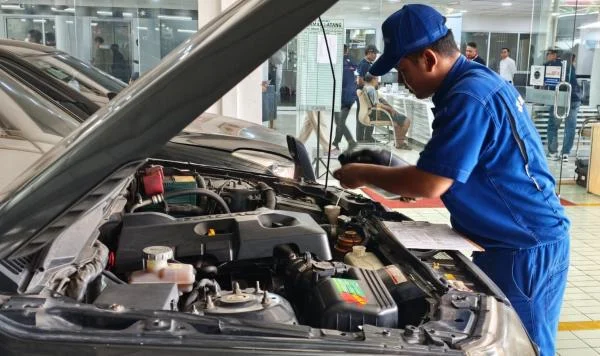
The rhythmic, high-pitched squealing emanating from a vehicle’s engine bay is a sound that many motorists have encountered at least once. While often dismissed as a minor nuisance—particularly if it dissipates shortly after the engine warms up or the vehicle begins to move—this auditory warning is frequently the first sign of a mechanical issue that requires immediate attention. Ignoring these sounds can lead to a cascading failure of essential auxiliary systems, potentially resulting in vehicle immobilization and costly repairs.
In the automotive industry, the drive belt—often referred to as the serpentine belt or fan belt—is the silent workhorse of the engine. It is responsible for transferring rotational power from the crankshaft to critical components such as the alternator, the air conditioning compressor, the power steering pump, and the water pump. When this component begins to fail, the vehicle’s communication system, in the form of a squeal, is the owner’s primary chance to intervene before a total system breakdown occurs.
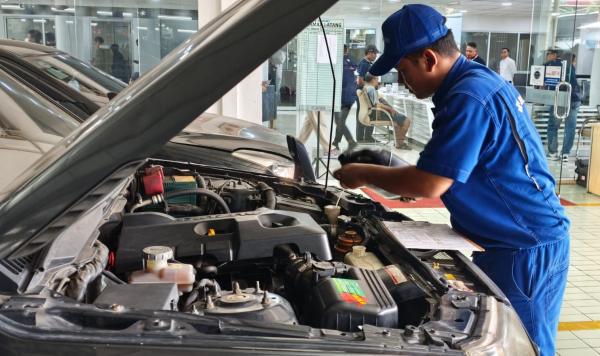
The Anatomy of Engine Squealing: Why It Happens
At its core, a squealing noise is a product of friction. Under normal operating conditions, a belt maintains a specific tension against the grooved pulleys it traverses. This tension ensures that the belt grips the pulley surface firmly, allowing for efficient power transfer without slippage.
As a belt ages, it undergoes physical and chemical degradation. Exposure to extreme under-hood temperatures, oil leaks, road debris, and the constant mechanical stress of bending and unbending thousands of times per mile causes the material to lose its elasticity and grip. When the belt loses its ability to maintain a consistent friction coefficient, it begins to slip against the pulleys. This slip creates the distinct high-pitched screech that drivers recognize.
The sound is most prevalent during a "cold start." When the engine is cold, the oil is more viscous, and the electrical load—often caused by the alternator working harder to recharge the battery after starting—is higher. This increases the load on the belt, making any loss of tension or surface integrity immediately apparent.

Common Mechanical Culprits Beyond the Belt
While the drive belt itself is the most common source of noise, it is not the only potential culprit. A professional diagnosis requires a holistic look at the front-end accessory drive (FEAD) system.
- Tensioner Degradation: The belt tensioner is a spring-loaded or hydraulic component designed to keep the belt at the correct tension regardless of engine speed. If the internal spring weakens or the pivot arm becomes seized, the belt will loosen, leading to persistent slipping and squealing.
- Pulley Bearing Failure: Each accessory driven by the belt has its own pulley. These pulleys rotate on bearings. If a bearing begins to fail, it creates resistance or "drag." This resistance forces the belt to work harder to turn the component, often resulting in a squeal or a metallic grinding noise.
- Misalignment: If a pulley has been damaged or improperly installed, the belt may not ride perfectly straight. This misalignment forces the belt to rub against the sides of the pulley grooves, leading to premature wear and audible distress.
- Fluid Contamination: The presence of engine oil, coolant, or power steering fluid on the belt surface can act as a lubricant rather than a friction agent. Even a small leak dripping onto the belt can cause it to lose its grip entirely.
Historical Context and Evolution of Belt Technology
In the early days of automotive engineering, vehicles utilized multiple "V-belts" to drive separate components. If one belt failed, only that specific accessory—such as the cooling fan—would stop working, leaving the rest of the car functional. However, the introduction of the modern "serpentine" belt in the 1980s revolutionized engine bay design.
A single, long, multi-ribbed belt now snakes around all accessory pulleys. While this design is more compact, lighter, and efficient, it introduced a single point of failure. If a modern serpentine belt snaps, the vehicle immediately loses power steering, charging capability (alternator), and often engine cooling (water pump). Consequently, the consequences of ignoring early warning signs are far more severe today than they were thirty years ago.

The Risks of Procrastination
Motorists who choose to ignore the squeal often face a predictable timeline of failure. The initial stage is characterized by intermittent noise during cold starts. As the belt continues to wear, the squealing will occur during acceleration, as the engine RPMs rise and the load on the accessories increases.
If left unaddressed, the belt may begin to "delaminate"—where the rubber ribs separate from the cord structure—or it may snap entirely. A snapped belt results in:
- Immediate loss of Power Steering: Making the vehicle difficult to maneuver, especially at low speeds.
- Charging System Failure: The battery will cease to charge, leading to a total loss of electrical power, including headlights and ignition.
- Engine Overheating: If the water pump is driven by the belt, the engine will overheat within minutes of the belt snapping, potentially causing catastrophic internal damage such as a warped cylinder head or blown head gasket.
Expert Recommendations for Maintenance
Automotive manufacturers and professional service centers suggest a proactive approach rather than a reactive one. Because belts are rubber-based compounds, they have a finite service life regardless of mileage.

- Visual Inspections: During every oil change, technicians should inspect the belt for signs of cracking, fraying, missing chunks, or "glazing"—a shiny appearance on the ribs that indicates the rubber has hardened.
- Interval Replacement: Most manufacturers recommend replacing the serpentine belt every 60,000 to 100,000 miles. However, in tropical climates or areas with high humidity and dust, the interval should be shortened.
- Tensioner Replacement: It is standard practice to replace the belt tensioner at the same time as the belt. Replacing the belt without addressing a worn tensioner is akin to replacing a lightbulb without fixing a faulty socket; the new component will likely fail prematurely.
Broader Economic and Safety Implications
The economic impact of vehicle maintenance is significant. A simple drive belt replacement is a relatively inexpensive service, typically costing a fraction of what an emergency tow and engine repair would cost. According to data from the Automotive Maintenance and Repair Association, drivers who adhere to a strict preventive maintenance schedule experience 30% fewer "unplanned downtime" incidents compared to those who practice "run-to-failure" maintenance.
From a safety perspective, a sudden loss of steering or cooling while driving at highway speeds presents a clear danger to the driver, passengers, and other road users. Therefore, the squeal is not just a noise to be managed—it is a critical safety alert.
Conclusion
The engine bay is a complex ecosystem where every component is interconnected. A squealing noise should be viewed as a "check engine" alert for the auxiliary drive system. By understanding that this sound is a physical manifestation of friction and wear, vehicle owners can transition from reactive, costly repairs to a proactive, predictable maintenance routine. When a belt begins to cry out, it is not simply an annoyance; it is a request for maintenance that, if honored, will ensure the reliability and safety of the vehicle for years to come. Routine checks, coupled with the replacement of associated hardware like tensioners and idler pulleys, represent the best investment a car owner can make in the long-term health of their engine.
