
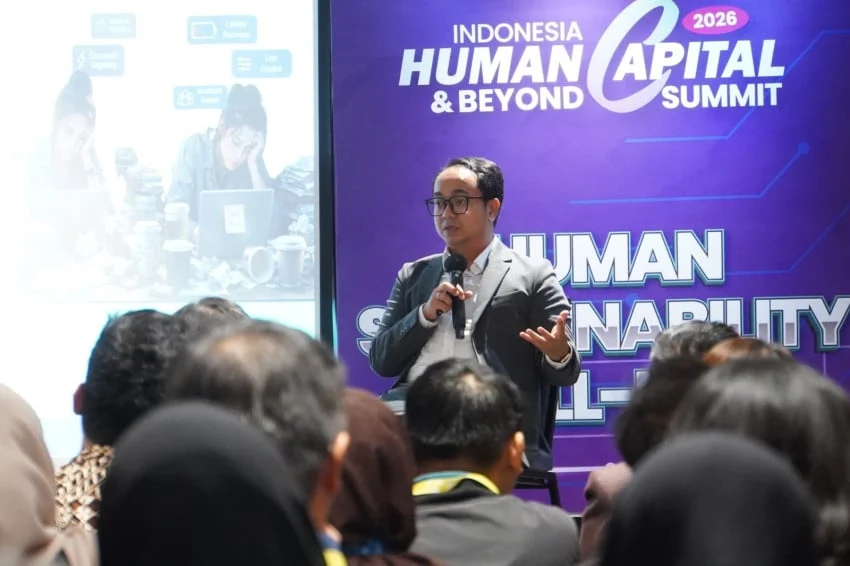
The modern professional landscape is undergoing a profound transformation, marked by accelerated technological integration, evolving employee expectations, and relentless economic pressures. Amidst these sweeping changes, the discourse surrounding workplace health has shifted dramatically from basic physical safety to holistic employee wellness. A central theme in this ongoing evolution is Career Well-being (CWB), a multifaceted concept that is increasingly recognized as critical for maintaining workforce engagement, building organizational resilience, and securing long-term business sustainability.
This pivotal paradigm was brought to the forefront during the Indonesia Human Capital & Beyond Summit (IHCBS) 2026, held from September 15 to September 16, 2026, in Jakarta. Industry leaders, policymakers, and human capital practitioners gathered at the premier summit to address the complex challenges facing the contemporary labor market. Among the prominent voices driving the discourse was Ivan Ahda, Director of Strategic & Advisory at KTM Solutions. In his addresses and interactive sessions, Ahda challenged traditional corporate perspectives on employee burnout, advocating for a fundamental shift that repositions career well-being from an individual burden to an organizational responsibility.
The Shift from Personal Wellness to Organizational Accountability
For decades, corporate wellness programs have largely focused on individual coping mechanisms. Employees facing chronic stress or exhaustion have frequently been advised to practice better time management, enhance their personal resilience, or seek out individual work-life balance strategies. However, industry experts argue that this reactive, employee-centric approach is proving insufficient in the face of systemic workplace fatigue.
Addressing an audience of human capital leaders at IHCBS 2026, Ivan Ahda critiqued the conventional handling of professional exhaustion. He emphasized that repeatedly placing the onus of stress management squarely on the employee fails to address the root causes of systemic fatigue.
"We too often make burnout an individual responsibility by asking them to be better able to manage stress, be more resilient, and better maintain work-life balance," Ahda stated during the summit. "However, when burnout continues to recur, what we may need to look at is no longer just the individual, but also the environment and the way of working that shapes their daily lives. That is where wellbeing needs to shift from mere personal wellbeing to organizational responsibility."
This perspective aligns with a broader international movement among organizational psychologists and human resources strategists. Modern workforce analysis suggests that chronic burnout is frequently symptomatic of systemic flaws, such as unrealistic workloads, poor management practices, ambiguous role expectations, and toxic company cultures. By reframing career well-being as an organizational duty, companies are urged to audit their structural frameworks and redesign workflows to foster a sustainable operating environment.
Chronology and Context of the Indonesia Human Capital & Beyond Summit 2026
The Indonesia Human Capital & Beyond Summit has steadily established itself as Southeast Asia’s premier forum for human resources innovation, strategic foresight, and workforce development. The 2026 iteration of the summit took place over two intensive days, from September 15 to September 16, 2026, drawing thousands of delegates, C-suite executives, organizational developers, and human capital consultants from across the region.
Against the backdrop of dynamic economic forecasts and the rapid implementation of artificial intelligence in daily business operations, the 2026 summit focused heavily on organizational agility and proactive human resource management. Attendees engaged in a series of high-level panel discussions, keynote presentations, and interactive workshops designed to equip business leaders with actionable strategies for the future of work.
KTM Solutions utilized this high-visibility platform to introduce specialized methodologies aimed at diagnosing and mitigating workforce fatigue. Rather than relying solely on traditional lecture-style presentations, the firm integrated hands-on experiences into its summit participation. A primary feature of KTM Solutions’ engagement was the introduction of the Career Well-being Assessment tool, designed to help visiting professionals and leaders evaluate the state of their organizational health.
The Five Dimensions of Career Well-being
To operationalize the concept of Career Well-being, KTM Solutions introduced a comprehensive evaluation framework structured around five distinct dimensions. This multidimensional approach acknowledges that an employee’s professional life does not exist in a vacuum, but is deeply intertwined with various facets of their overall human experience.
-
Social Well-being: This dimension evaluates the quality of interpersonal relationships within the workplace, including peer support, mentorship, psychological safety, and collaborative team dynamics. Healthy social well-being mitigates feelings of isolation and fosters a sense of belonging and community among staff members.
-
Psychological Well-being: Focusing on mental health, emotional stability, and cognitive load, this dimension measures the presence of chronic stress, anxiety, and the psychological impact of daily job demands. It emphasizes the importance of cognitive recovery time and supportive leadership in maintaining mental resilience.
-
Environmental Well-being: This encompasses both the physical workspace—such as ergonomics, lighting, and office layout—and the virtual work environment, including digital collaboration tools and communication channels. An optimized environment reduces friction and enhances daily operational comfort.
-
Physical Well-being: Addressing the tangible health needs of workers, this dimension looks at factors such as sleep hygiene, nutrition, physical activity, and access to healthcare resources. It acknowledges that physical fatigue directly impairs cognitive function and professional productivity.
-
Financial Well-being: Recognizing the profound impact of economic stability on professional focus, this dimension examines compensation fairness, financial literacy resources, benefits packages, and overall economic security. Financial stress is consistently ranked as one of the leading contributors to distraction and anxiety in the workplace.
By utilizing the Career Well-being Assessment at IHCBS 2026, participants were able to map their organizational profiles across these five categories, allowing leaders to pinpoint specific vulnerability areas within their corporate ecosystems.
Detecting Organizational Fatigue: The Burnout Audit Session
A standout feature of KTM Solutions’ contribution to the summit was a specialized session led by Ivan Ahda, titled “The Burnout Audit: Detecting Organizational Fatigue Before Turnover Occurs.” The session addressed a critical blind spot for many corporate leaders: the lag time between the onset of systemic workforce fatigue and the realization that valuable talent is walking out the door.
During the session, Ahda underscored that employee turnover is rarely an isolated, spontaneous event. Instead, it is typically the final, lagging indicator of a prolonged degradation in career well-being. By the time an employee submits their resignation, the underlying fatigue, disengagement, and loss of organizational trust have usually been festering for months.
The "Burnout Audit" framework presented by KTM Solutions equips organizations with diagnostic tools to identify early warning signs of systemic fatigue. These indicators include subtle shifts in team productivity, rising absenteeism, passive-aggressive communication, a decline in discretionary effort, and mounting complaints regarding workflow inefficiencies.
According to Ahda, conducting proactive audits allows human capital teams to intercept burnout before it metastasizes into widespread attrition. This proactive posture transforms HR from a reactive administrative department into a strategic business driver that safeguards human capital assets.
Broader Implications for Business Sustainability and Retention
The emphasis on Career Well-being at IHCBS 2026 reflects a deeper economic reality: employee retention and business productivity are inextricably linked to workplace sustainability. In competitive talent markets, organizations that fail to address systemic burnout face severe operational consequences, including soaring recruitment costs, institutional brain drain, diminished product quality, and reputational damage as employers of choice.
Furthermore, empirical data from global workforce studies consistently demonstrate that disengaged and exhausted employees exhibit significantly lower levels of innovation and higher error rates. Conversely, organizations that successfully integrate holistic well-being into their core business strategies report higher levels of employee loyalty, enhanced adaptability during periods of corporate restructuring, and superior long-term financial performance.
As businesses navigate the complexities of the mid-2020s labor market, frameworks such as those presented by KTM Solutions offer a vital roadmap. By moving beyond superficial wellness perks—such as sporadic team-building events or generic mental health apps—and tackling the structural foundations of how work is designed, organizations can build resilient workforces capable of thriving amidst continuous disruption.
Conclusion
The discussions and methodologies showcased at the Indonesia Human Capital & Beyond Summit 2026 signal a maturing understanding of the employer-employee relationship in the modern era. Through insights articulated by leaders like Ivan Ahda and frameworks introduced by organizations like KTM Solutions, the business community is increasingly recognizing that sustainable corporate success cannot be achieved at the expense of human sustainability.
By embracing Career Well-being as an organizational imperative rather than an individual obligation, companies are laying the groundwork for resilient, engaged, and enduring talent ecosystems well-equipped to meet the challenges of the future.
