
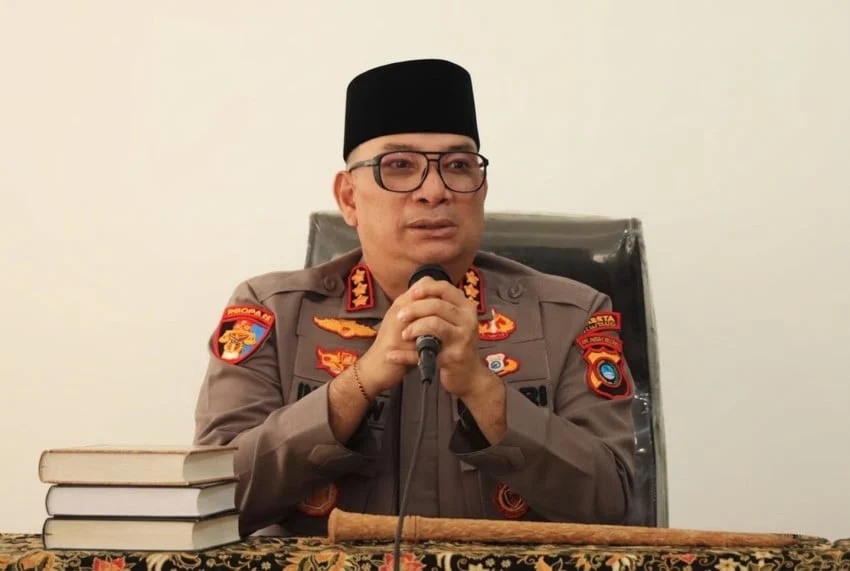
The 98th anniversary of the Youth Pledge, or Sumpah Pemuda, commemorated on Wednesday, October 28, 2026, serves as more than just a historical reflection on the 1928 movement that unified Indonesia’s diverse youth. In the modern context of Pangkalpinang, it has become a critical juncture for law enforcement to re-evaluate how the state interacts with its youngest citizens. For the Pangkalpinang City Police (Polresta), led by Commissioner Indra Wijatmiko, the day marks a strategic shift from reactive law enforcement to proactive, community-based youth protection. This shift addresses a growing reality where the challenges facing youth—ranging from digital exploitation and online gambling to substance abuse—often remain hidden behind the screens of mobile devices until they manifest as criminal acts.
The Evolution of the Youth Pledge: From Nationalism to Social Security
The Sumpah Pemuda of 1928 was a pivotal moment where youth leaders from across the archipelago pledged to support one common goal: a unified nation. Nearly a century later, the interpretation of this unity has expanded to include the collective responsibility of protecting the younger generation from systemic threats. In Pangkalpinang, the local government and law enforcement have observed that the threats of the 21st century are significantly more insidious than those of the past.
Data from the Ministry of Communication and Informatics, coupled with regional police reports, suggests that the surge in digital-based crimes, such as online gambling and cyberbullying, has disproportionately affected individuals aged 15 to 25. These crimes are often characterized by anonymity and social pressure, creating a environment where youth feel trapped in cycles of debt or psychological distress. Commissioner Indra Wijatmiko emphasizes that the modern definition of a "youth struggle" involves navigating these complex societal pressures, which often lead to isolation if not addressed early.
The Anatomy of Modern Risks Facing Youth
The risks confronting the youth in Pangkalpinang are multifaceted. According to criminological assessments conducted in the region, the vulnerability of young people has increased due to three primary drivers:
- Digital Vulnerability: The widespread accessibility of smartphones has brought the world to the fingertips of youth, but it has also brought high-risk platforms such as illicit online gambling sites and unregulated loan services. These digital traps are designed to exploit financial instability, often leading to severe legal and personal consequences.
- Social Media and Peer Pressure: The phenomenon of "digital perfection" places immense stress on youth to conform to societal norms, often pushing them toward substance abuse or dangerous social behaviors to gain acceptance within peer groups.
- The "Hidden Crisis" Syndrome: Many young people face personal crises—ranging from mental health issues to physical bullying—that they are reluctant to report to family members. This silence creates a gap where law enforcement or social services are only notified once a situation has already crossed the threshold into criminal activity.
A Proactive Policing Framework
In response to these trends, the Pangkalpinang Police force has introduced a paradigm shift: the integration of humanistic engagement into routine law enforcement duties. Commissioner Indra Wijatmiko has advocated for a model where officers are not merely seen as figures of authority, but as approachable figures of public service.
"We cannot afford to wait until a young person is trapped in the legal system before we reach out," Commissioner Wijatmiko stated during the anniversary proceedings. "True security in a city is measured by our ability to prevent the need for intervention through early support and open communication."
This approach requires officers to be trained in conflict de-escalation and psychological awareness. By fostering a relationship of trust, the police aim to become a "first point of contact" for youth in distress, rather than a "last resort" for those already facing prosecution. This methodology is consistent with contemporary community policing models adopted in other major urban centers worldwide, which prioritize the role of the officer as a community stakeholder.
Analysis of the Impact on Local Development
The socioeconomic implications of this policy are significant. When a city effectively protects its youth from the long-term consequences of criminal records and substance abuse, it preserves the human capital necessary for the city’s long-term economic growth.
From an analytical perspective, the "preventive-first" model offers several advantages:
- Reduced Burden on the Judicial System: By intervening before crimes are committed, the city reduces the caseload for the juvenile justice system, allowing resources to be redirected toward rehabilitation and community programs.
- Improved Public Trust: A force that listens to youth is more likely to receive cooperation from the public, leading to better intelligence and more effective crime prevention in other sectors.
- Social Cohesion: By acknowledging that youth have a voice in the security of their city, the police reinforce the values of Sumpah Pemuda, promoting a sense of shared ownership over the future of Pangkalpinang.
Chronology of Recent Initiatives
The commitment to this new approach follows a series of regional initiatives launched earlier in 2026. In February, the Pangkalpinang administration, in collaboration with local law enforcement, launched a series of school-based workshops focusing on "Digital Ethics and Financial Literacy." By July, these workshops evolved into a mentorship program where senior officers were paired with high-risk youth identified by community leaders.
The Sumpah Pemuda milestone serves as the formal assessment period for these programs. Official reports indicate a 15% decrease in juvenile-related public disturbances compared to the same period in the previous year. While these numbers are preliminary, they suggest that the shift toward preventive, humanistic engagement is yielding measurable benefits.
The Role of Community and Family
Despite the advancements in police methodology, Commissioner Wijatmiko underscored that the police cannot operate in a vacuum. The success of protecting the youth rests heavily on the cooperation of parents, educators, and community leaders. The "culture of silence" that prevents young people from seeking help often stems from a fear of judgment at home or in school.
"The police are only one part of the puzzle," Wijatmiko noted. "The true foundation of protection begins in the household. If we want our youth to be safe, we must create an environment where they feel safe enough to speak their truths before those truths are used against them by criminal actors."
Broader Implications for National Policy
The situation in Pangkalpinang acts as a microcosm for the challenges faced by many Indonesian cities as they grapple with rapid modernization. If the "Pangkalpinang Model" proves successful, it could serve as a template for other municipal police departments across the country. The integration of technology-led risk assessment with community-led human interaction represents a balanced approach to the complexities of the 21st century.
As the nation looks toward the centenary of the Youth Pledge in 2028, the discourse is shifting from symbolic celebration to practical action. The focus on "listening before acting" and "protecting before prosecuting" reflects a mature evolution in the relationship between the state and the youth. For Pangkalpinang, the 98th Sumpah Pemuda is not merely a date on the calendar; it is a clear declaration of intent: that the city’s future is only as secure as the youth it chooses to empower and protect today.
In conclusion, the strategies implemented by the Pangkalpinang Police underscore the necessity of adaptability. By addressing the psychological, digital, and social dimensions of modern youth life, the local government and law enforcement are laying the groundwork for a more resilient community. As the city moves forward, the success of these measures will likely be determined by the consistency with which this humanistic approach is applied, ensuring that the spirit of the 1928 Youth Pledge remains vibrant and relevant in a rapidly changing world.
