
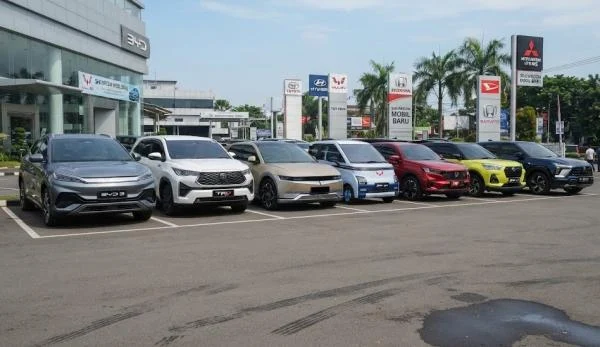
The contemporary Indonesian automotive landscape is undergoing a significant shift as the purchasing power of Millennials and Generation Z (the "MZ" demographic) continues to expand. A recent report titled "Decoding Indonesia’s Upper Middle MZs Consumer Signals in the Passenger Car Market," published by the consumer insights firm Populix, highlights that the traditional metrics of brand loyalty—such as price point and prestige—are increasingly being eclipsed by a multi-dimensional evaluation process. Consumers in this segment are no longer satisfied with mere aesthetics; they are conducting deep-dive assessments of engine durability, long-term maintenance costs, fuel efficiency, and the seamless integration of digital service features.
The Evolving Priority of the MZ Demographic
For the Indonesian upper-middle-class consumer, a vehicle is viewed as a high-stakes investment rather than a commodity. The Populix study focused on eight major automotive brands that have dominated the Indonesian passenger car market over the last five years. The findings suggest that the "MZ" demographic brings a unique set of values to the showroom. Unlike previous generations that may have prioritized social status, these younger buyers are highly analytical, leveraging digital platforms to cross-reference technical specifications, user reviews, and long-term depreciation rates.
The core pillars of satisfaction, according to the report, are categorized into four distinct buckets: mechanical integrity, operational comfort, energy efficiency, and after-sales support. When a brand fails in any one of these pillars, it risks losing the customer to a competitor, regardless of the vehicle’s initial design appeal.
Top Performers and Market Positioning
The report identifies Toyota, Hyundai, and Daihatsu as the leaders in overall customer satisfaction. Each of these brands has secured its position by excelling in specific categories that resonate with the target audience.
Toyota, long a cornerstone of the Indonesian market, continues to benefit from its reputation for durability and an extensive after-sales network. For the MZ consumer, the brand’s ability to provide a "hassle-free" ownership experience—characterized by easy access to spare parts and a high resale value—remains a critical benchmark.
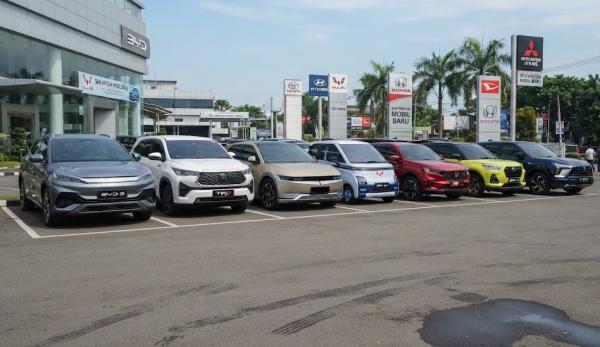
Hyundai, conversely, has carved out a unique space by positioning itself as a technology-forward player. The brand has seen a surge in popularity among younger drivers who prioritize innovation and high-performance engines. By aggressively introducing electric vehicle (EV) options and advanced driver-assistance systems (ADAS), Hyundai has tapped into the MZ demographic’s desire for forward-looking mobility solutions.
Daihatsu remains a powerhouse in the efficiency and reliability sector. Its appeal lies in its pragmatic approach to the Indonesian market: providing vehicles that are fuel-efficient, easy to maintain, and perfectly suited to the country’s unique traffic conditions.
Segmented Consumer Preferences: A Deep Dive
The Populix research underscores that brand preference is often dictated by the specific "pain point" a consumer is trying to solve.
For users of Hyundai and Mitsubishi, the primary driver is mechanical performance. These consumers are typically enthusiasts or professionals who view the engine as the heart of the vehicle. They are willing to pay a premium for consistent power delivery and a refined driving experience. Mitsubishi, in particular, continues to be lauded for its superior suspension and cabin comfort, which remain major drawcards for families and professionals navigating urban congestion and long-distance travel.
The aesthetic dimension, however, is not to be underestimated. The study reveals that Wuling, Hyundai, and BYD have gained significant traction by prioritizing modern, futuristic, and sleek design languages. For the MZ generation, a car is an extension of their personal brand. The rapid rise of Chinese manufacturers like Wuling and BYD is a direct response to this demand for high-end aesthetics combined with innovative technology at a competitive price point. These brands have disrupted the traditional market hierarchy by offering "premium features" in mass-market vehicles.
Efficiency, meanwhile, remains a non-negotiable factor for the majority of the population. Suzuki and Daihatsu continue to hold the advantage here, as their engines are optimized for fuel economy, a critical consideration given the fluctuating global fuel prices and the increasing focus on the total cost of ownership (TCO).

Chronology of Market Shifts
The automotive landscape in Indonesia has evolved rapidly over the last half-decade.
- 2019-2020: The market was primarily dominated by established Japanese manufacturers, with purchase decisions heavily influenced by brand history and perceived reliability.
- 2021-2022: The onset of the post-pandemic era saw a shift toward digital-first interactions. Consumers began relying more heavily on online configurators and virtual showrooms, favoring brands that offered transparent, digital-centric after-sales services.
- 2023-2024: The entry of various Chinese EV brands began to diversify the market, introducing intense competition in the tech-feature segment and forcing legacy brands to accelerate their own digitalization and electrification roadmaps.
- 2025-2026: The current period is defined by a "holistic evaluation" phase, where consumers are increasingly critical of the full lifecycle of vehicle ownership, including sustainability, software updates, and service accessibility.
The Role of After-Sales Services
One of the most profound findings of the report is that the purchase transaction is only the beginning of the relationship. Susan Adi Putra, Associate Research Director at Populix, emphasizes that the strength of a brand’s after-sales network is often the deciding factor in long-term satisfaction.
"Consumers today are highly sensitive to the quality of service," notes the report. "A brand may offer a stellar vehicle, but if the maintenance cycle is difficult to navigate, the service centers are inaccessible, or the response time for repairs is lagging, the customer will likely shift their brand loyalty during their next purchase cycle."
For the MZ demographic, who are accustomed to the speed and convenience of digital services, the traditional, manual-heavy after-sales process is a significant point of friction. Brands that have digitized their service scheduling, provided transparent pricing for maintenance, and improved the availability of parts are currently outperforming their peers.
Fact-Based Analysis of Market Implications
The findings from the Populix study have several clear implications for the Indonesian automotive sector:
- The End of "Brand Blindness": Manufacturers can no longer rely on brand heritage alone to secure sales. The MZ demographic is willing to experiment with new entrants if those brands offer superior value, design, or technology.
- Tech as a Baseline, Not a Luxury: Features that were once considered "luxury," such as smartphone integration, digital dashboards, and advanced safety systems, are now expected as standard by the younger generation.
- The Rise of the TCO (Total Cost of Ownership) Mindset: As the economy fluctuates, consumers are more aware of the long-term costs of fuel, parts, and depreciation. Brands that market their vehicles through the lens of long-term efficiency will hold a distinct advantage.
- Service as a Product: The quality of the dealer network and the efficiency of the service department have become as important as the horsepower of the vehicle. Brands that fail to modernize their service experience will suffer from lower customer retention rates.
Future Outlook
As the Indonesian automotive market continues to mature, the competition between established legacy manufacturers and new, tech-driven challengers will intensify. The "MZ" generation, with its discerning eye and digital-first mindset, will continue to dictate the terms of success.

The industry is moving toward a model where the vehicle is viewed as a mobile ecosystem. In this environment, the winners will be those who can balance the foundational requirements of reliability and efficiency with the aspirational demands of design and connectivity.
For consumers, the takeaway is clear: the current market offers more choices and higher quality than ever before, provided they are willing to look beyond the badge and evaluate the full ownership experience. For manufacturers, the mandate is equally clear: innovate in the service department as aggressively as you innovate in the engine bay, or risk losing the most influential consumer base in Southeast Asia.
As we look toward the remainder of the decade, the convergence of sustainable energy solutions and smart mobility will likely be the next frontier of consumer satisfaction. Brands that successfully navigate this transition while maintaining the core values of reliability and service excellence will undoubtedly define the future of the Indonesian passenger car market.
