
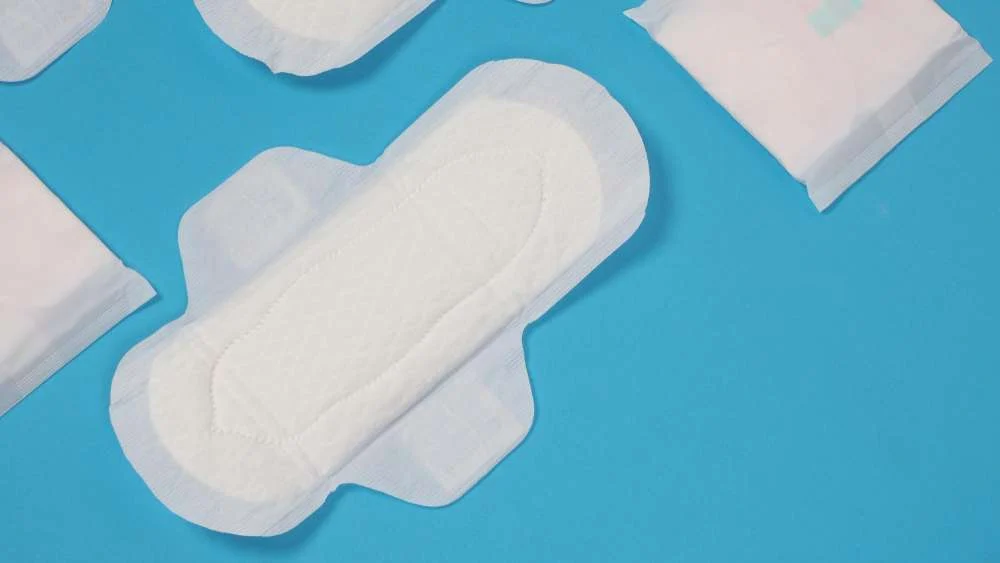
The ongoing discourse regarding the imposition of Value Added Tax (VAT) on sanitary products has reignited debates over gender-sensitive fiscal policy, economic equity, and the systemic barriers that perpetuate "period poverty." In Indonesia, as in many other nations, the classification of sanitary pads as taxable consumer goods—subject to an 11 percent VAT—has drawn sharp criticism from human rights advocates and policy analysts who argue that such levies fail to account for the biological necessity of menstrual hygiene.
This debate is not merely a matter of fiscal revenue; it is a fundamental inquiry into the state’s role in ensuring health and dignity. By treating essential menstrual products as ordinary consumer goods, critics argue, the government imposes a financial penalty on a biological process that is neither voluntary nor avoidable. As the global conversation on menstrual equity gains momentum, Indonesia faces mounting pressure to re-evaluate its tax structure to align with international standards of public health and gender justice.
The Anatomy of Period Poverty
"Period poverty" describes the widespread inability of individuals to access or afford adequate menstrual hygiene products, sanitation facilities, and education. This issue is multifaceted, intersecting with economic status, geographic location, and societal stigma. When sanitary pads become a luxury rather than a utility, the consequences are profound. For students, lack of access often leads to school absenteeism, disrupting education and long-term economic prospects. For women in the informal labor sector or low-income households, the recurring cost of menstrual supplies competes with other basic needs such as food and clean water.
Data from international health organizations underscores the urgency of this issue. According to a 2024 report by the World Health Organization (WHO) and UNICEF, only 39 percent of schools globally provide comprehensive menstrual health education. The study further highlights that limited access to sanitation in low-income regions exacerbates health risks and social isolation. In Indonesia, where disparities between urban centers and remote archipelagic regions remain significant, these challenges are compounded by logistics and distribution costs, making the 11 percent VAT an additional, often insurmountable, barrier for the most vulnerable populations.
Chronology and the Call for Reform
The current push for reform intensified following a formal statement released by Komnas Perempuan (The National Commission on Violence Against Women) on October 30, 2026. The commission argued that the existing tax policy is fundamentally inequitable. They highlighted that current fiscal regulations in Indonesia do not distinguish between luxury consumption and essential biological requirements.
Historically, the taxation of sanitary products has been a point of contention in many jurisdictions. The "Pink Tax"—the tendency for products marketed to women to be more expensive—has been a subject of legislative reform in countries like Canada, Australia, and parts of the United States, where "tampon taxes" were repealed to ensure menstrual equity.

In Indonesia, the argument has gained traction within academic and religious circles as well. As the nation grapples with its tax reform agenda, advocates are pushing for a "Zero-VAT" policy on menstrual products or, at the very least, a state-subsidized distribution model for marginalized communities. This movement aligns with the broader goals of sustainable development, specifically regarding health and gender equality.
Global Best Practices and Policy Models
Several nations have pioneered models that move beyond tax exemptions, viewing menstrual hygiene as a matter of public right. Scotland stands as a global leader in this regard. The Period Products (Free Provision) (Scotland) Act 2021, which came into full effect in August 2022, mandates that local authorities and educational institutions provide free sanitary products to anyone who requires them. This policy treats menstrual products as essential items, akin to toilet paper or soap in public restrooms.
Other nations have adopted different, yet effective, strategies:
- Kenya: Having pioneered the removal of VAT on sanitary products as early as 2004, Kenya later introduced government-funded distribution programs in public schools.
- South Africa: The government provides free sanitary pads to female students from low-income families, recognizing the link between hygiene and school attendance.
- New Zealand and France: Both countries have integrated the provision of free menstrual products into educational facilities, such as schools and universities, to mitigate the financial burden on students.
These examples illustrate that while tax relief is a critical first step, a holistic approach—combining fiscal policy reform with social support programs—is essential to eradicating period poverty. However, economists caution that removing VAT alone does not guarantee lower consumer prices. Without robust competition, price controls, or effective supply chain oversight, manufacturers might retain the surplus, leaving the end-consumer with little relief. Therefore, any legislative move in Indonesia must be paired with strict market monitoring.
Ethical and Religious Perspectives on Fiscal Policy
The debate over tax equity has also invited perspectives from Islamic jurisprudence, which emphasizes maslahah (public interest). In the context of the Indonesian tax system, scholars often point to the principle that "harm must be removed" (al-dararu yuzal). If a tax policy disproportionately burdens the poor or creates obstacles to basic health and hygiene, it contradicts the Islamic mandate for a fair and compassionate government.
Discussions during the 35th Nahdlatul Ulama Congress in 2026 echoed these sentiments, advocating for tax structures that do not unfairly burden the poor. The consensus among many Islamic jurists is that the state’s authority to collect taxes is not absolute; it is contingent upon the welfare of the citizenry. When applied to the "period tax," this implies that if a tax creates an undue hardship on a large segment of the population, the government has a moral and social obligation to reform or eliminate that levy.
Economic and Social Implications
The implications of the current VAT structure are not limited to the individual level; they affect the national economy. When women are unable to manage their menstruation with dignity, their participation in the workforce and education system suffers. This contributes to a broader gender gap in economic productivity.

From an administrative standpoint, the government faces a trade-off between tax revenue and social outcomes. While the VAT on sanitary products contributes to the state treasury, the long-term cost of lost productivity, health complications due to poor hygiene, and educational setbacks likely outweighs the immediate fiscal gains.
Furthermore, the tax currently applies to a diverse array of products, from basic pads to reusable cups and period underwear. A tiered tax system, or a complete exemption, could encourage the adoption of more sustainable and healthier alternatives, further reducing the environmental impact of menstrual waste—a secondary, yet crucial, benefit of policy reform.
Looking Toward a Path Forward
The path toward equitable menstrual health policy requires a coordinated effort between the Ministry of Finance, the Ministry of Health, and the Ministry of Women’s Empowerment and Child Protection. A comprehensive strategy could include the following components:
- Fiscal Reform: Eliminating or significantly reducing VAT on all FDA-approved or equivalent menstrual hygiene products.
- Universal Access: Implementing, at minimum, a policy that requires public facilities—schools, hospitals, and government offices—to provide free menstrual products.
- Targeted Subsidies: Developing a voucher or subsidy program specifically for low-income households, modeled after successful initiatives in South Africa.
- Market Monitoring: Establishing a regulatory body to ensure that tax savings are passed on to consumers, preventing price gouging by manufacturers and distributors.
- Public Education: Investing in widespread awareness campaigns to destigmatize menstruation, which remains a significant barrier to seeking help or discussing hygiene needs in many parts of the country.
Ultimately, the debate over taxing sanitary products is a litmus test for the nation’s commitment to gender equality. The state must decide whether it views the management of a natural biological process as a luxury subject to taxation or a health necessity that the government is obligated to support.
As society evolves, so too must its fiscal policies. The demand for the removal of the tax on sanitary products is a call for the government to recognize that equality is not just about applying the same rules to everyone, but about creating an environment where every citizen, regardless of gender or income, can participate in society with dignity and health. The transition from a taxation-focused model to one of public support is not merely a policy adjustment; it is a fundamental step toward a more just and inclusive nation.
