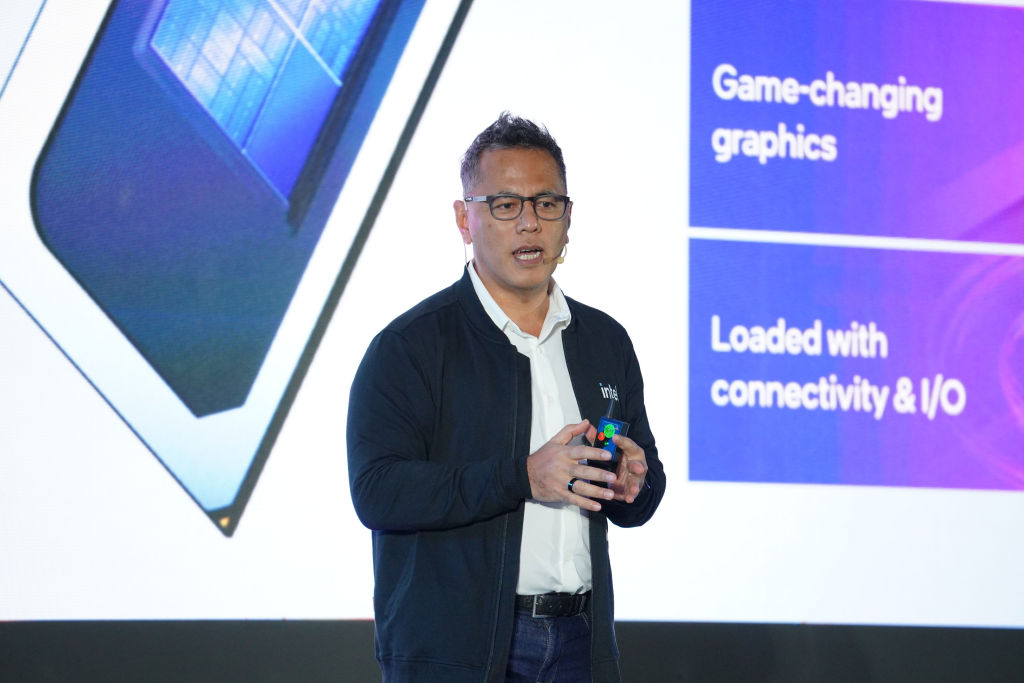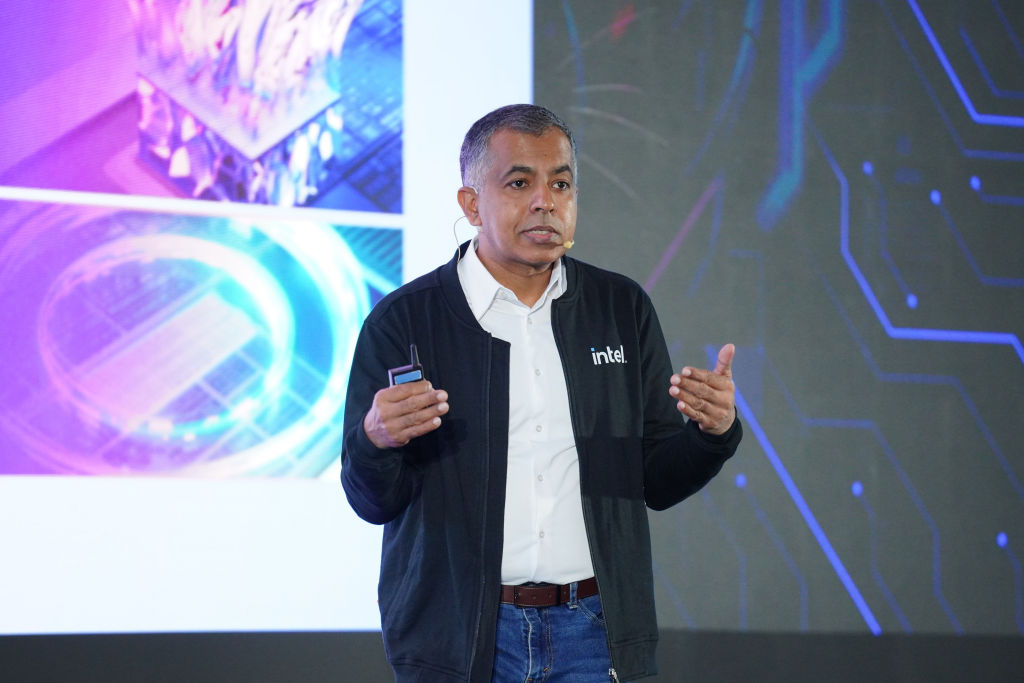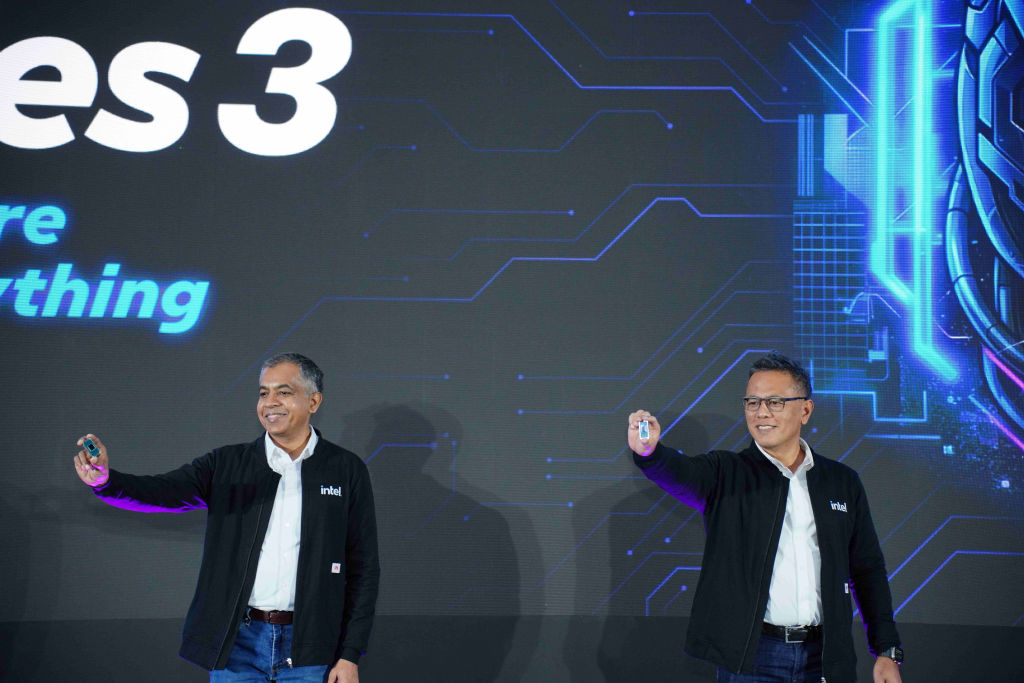
Indonesia officially welcomed the future of personal computing on April 15, 2026, as Intel formally launched its latest generation of laptop processors, the Intel Core Ultra Series 3. This highly anticipated silicon, previously known by its development codename "Panther Lake," marks a significant milestone in the evolution of client computing, specifically designed to accelerate the burgeoning category of Artificial Intelligence Personal Computers (AI PCs). The new processors are now available across Indonesia through a robust network of global Original Equipment Manufacturer (OEM) partners, including industry giants such as ASUS, Acer, Dell, HP, Lenovo, and MSI, with devices hitting the shelves of major retailers nationwide.
The Dawn of AI PCs: Intel’s Strategic Vision
The introduction of the Intel Core Ultra Series 3 processors is not merely another product launch; it signifies Intel’s resolute commitment to spearheading the AI PC revolution. First unveiled to the world at the Consumer Electronics Show (CES) 2026, these processors are foundational to Intel’s broader roadmap for client computing, which envisions a paradigm shift where AI workloads are predominantly processed directly on the device, rather than relying solely on cloud-based infrastructure. This "on-device AI" approach promises numerous advantages, including enhanced privacy, reduced latency, improved efficiency, and the ability to function seamlessly even without an internet connection. The AI PC category, championed by Intel, aims to redefine user interaction with their devices, making computing more intuitive, personalized, and powerful. According to market research firm IDC, global shipments of AI PCs are projected to grow substantially, with a compound annual growth rate (CAGR) exceeding 60% between 2024 and 2027, highlighting the immense potential Intel is tapping into.
Harry K. Nugraha, Country Manager for Intel Indonesia, underscored the transformative potential of the new processors during the launch. "The Intel Core Ultra Series 3 represents a pivotal moment in the advancement of modern computing technology," Nugraha stated. "This processor masterfully integrates significant performance enhancements, groundbreaking AI capabilities, and superior power efficiency. It is engineered to meet and exceed the evolving demands of users in Indonesia, a nation rapidly embracing digital transformation and increasingly reliant on advanced computing for both productivity and creativity." His remarks emphasize Intel’s strategic alignment with Indonesia’s digital growth trajectory, positioning the new processors as essential tools for the country’s tech-savvy populace.
Chronology of Innovation: From CES to Indonesian Market

The journey of the Intel Core Ultra Series 3 began much earlier than its Indonesian debut. The processor lineage, with its "Core Ultra" branding, was initially introduced with the "Meteor Lake" generation (Core Ultra 1) in late 2023, signaling Intel’s departure from its traditional naming conventions and a clear pivot towards integrating dedicated AI acceleration. This was followed by the "Arrow Lake" generation (Core Ultra 2) in late 2024/early 2025, which further refined the AI capabilities and manufacturing process. The "Panther Lake" codename, now officially the Core Ultra Series 3, first captured global attention at CES 2026, where Intel presented its comprehensive client computing roadmap. This prestigious global technology showcase served as the initial platform to detail the architectural innovations, performance benchmarks, and the overarching vision for AI PCs that the Series 3 embodies. Following its global unveiling, Intel meticulously coordinated its regional launches, ensuring that key markets like Indonesia received access to the cutting-edge technology promptly. The April 15, 2026, launch in Indonesia, therefore, is the culmination of years of research, development, and strategic market planning, bringing the latest in AI-accelerated computing directly to Indonesian consumers and businesses.
Panther Lake: A Deep Dive into the Core Ultra Series 3 Architecture
At the heart of the Intel Core Ultra Series 3 processors lies the groundbreaking Intel 18A process technology. This represents Intel’s most advanced semiconductor fabrication node to date, marking a significant leap into the Angstrom era of chip manufacturing. The Intel 18A process is characterized by its innovative RibbonFET gate-all-around transistors and PowerVia backside power delivery network, which together enable unprecedented levels of transistor density, power efficiency, and performance. Compared to previous nodes, Intel 18A offers substantial improvements in power-per-watt efficiency and raw computational power, allowing for more complex designs within the same thermal envelopes. This advanced manufacturing process is crucial for realizing the full potential of the Core Ultra Series 3’s hybrid architecture.
The processor architecture itself is a marvel of integration, meticulously designed to optimize the interplay between its three primary compute engines: the Central Processing Unit (CPU), the Graphics Processing Unit (GPU), and the Neural Processing Unit (NPU).
- CPU: The CPU cores are optimized for general-purpose computing, handling a wide range of tasks from demanding applications to everyday multitasking. With improvements in core design and clock speeds, the CPU delivers enhanced responsiveness and processing power for traditional workloads.
- GPU: The integrated GPU, leveraging the new Xe3 architecture, is engineered for superior visual performance, critical for gaming, content creation, and high-resolution display output.
- NPU: The dedicated NPU is the true star for AI workloads. This specialized component is purpose-built to handle artificial intelligence processing efficiently, offloading AI tasks from the CPU and GPU. By integrating these three distinct yet interconnected processing units, laptops powered by the Core Ultra Series 3 are capable of executing a diverse array of AI-driven applications locally on the device. This includes intelligent productivity features (like real-time language translation, advanced video conferencing effects, and smart document summarization), sophisticated content creation tools (such as AI-powered image editing, video upscaling, and generative art), and seamless digital collaboration functionalities, all without heavy reliance on internet connectivity or cloud servers.
Unpacking the NPU: Powering On-Device AI with 50 TOPS
One of the most compelling highlights of the Intel Core Ultra Series 3 processor is the formidable capability of its integrated Neural Processing Unit (NPU), which boasts an impressive performance of up to 50 TOPS (trillions of operations per second). This metric is a crucial indicator of the NPU’s raw computational capacity for AI tasks. To put this into context, 50 TOPS signifies the processor’s ability to execute 50 trillion AI-specific calculations every single second. This immense processing power, available directly on the device, is a game-changer for AI applications.

The high TOPS count translates directly into several tangible benefits for users. Firstly, it dramatically reduces latency for AI-driven applications. Tasks that previously required sending data to a cloud server for processing and then awaiting a response can now be executed almost instantaneously on the laptop itself. This immediacy enhances the responsiveness of AI-powered features, making interactions feel more fluid and natural. Secondly, it significantly improves privacy, as sensitive user data no longer needs to leave the device to be processed by AI algorithms. This is particularly crucial for features involving personal information, biometrics, or confidential documents. Thirdly, on-device AI processing contributes to superior power efficiency. Running AI models on a dedicated, low-power NPU consumes significantly less energy than performing the same tasks on the more power-hungry CPU or GPU, thereby extending battery life for AI-intensive workflows.
This robust NPU capability enables a new generation of AI-driven experiences. Users can expect advanced features like real-time background blur and eye-contact correction during video calls, intelligent noise suppression, sophisticated generative AI for text and image creation directly in creative suites, and personalized search and recommendation engines that learn user preferences without sending data to external servers. Furthermore, security applications can leverage the NPU for on-device threat detection and anomaly analysis, bolstering system integrity. The 50 TOPS performance also positions Intel competitively against other chip manufacturers entering the AI PC space, such as Qualcomm’s Snapdragon X Elite and AMD’s Ryzen AI processors, setting a high bar for on-device AI acceleration.
Next-Gen Graphics: Xe3 for Visual Brilliance
Beyond its formidable AI capabilities, the Intel Core Ultra Series 3 also delivers substantial advancements in visual processing through the integration of the latest-generation Xe3 graphics architecture. This integrated graphics solution is engineered to provide a significant boost in visual performance across a broad spectrum of applications. For casual and even moderate gamers, the Xe3 graphics will offer smoother frame rates and improved visual fidelity in a wider array of titles, making AI PCs not just productivity powerhouses but also capable entertainment machines.
For content creators, the improvements are particularly impactful. The Xe3 architecture accelerates demanding tasks such as 4K video editing, 3D rendering, and graphic design, allowing for faster previews, quicker exports, and more responsive creative workflows. This integration is vital for enabling thin and light form factors without compromising on the computational muscle required for graphically intensive applications. The ability to embed powerful graphics directly into the processor, rather than relying on a separate discrete GPU, helps manufacturers design sleeker, more portable laptops that still offer robust visual computing capabilities. This aligns with a major consumer trend towards highly portable yet powerful devices, making the Core Ultra Series 3 an attractive option for professionals and enthusiasts who demand both performance and mobility.
OEM Partnerships and Global Reach

The widespread availability of Intel Core Ultra Series 3 processors is underpinned by extensive collaborations with a global ecosystem of OEM partners. Intel has confirmed that over 200 distinct laptop designs are slated to feature the Intel Core Ultra Series 3 processors. This vast array of devices will span various market segments, catering to a diverse range of user needs and budgets. From ultra-portable notebooks designed for maximum productivity on the go, to high-performance workstations tailored for content creators, and dedicated gaming laptops, the breadth of offerings ensures that virtually every type of user will find a suitable AI PC.
Major players like ASUS, Acer, Dell, HP, Lenovo, and MSI are at the forefront of integrating these new processors into their upcoming product lines. These partnerships are critical for the successful global rollout and adoption of AI PCs. Each OEM brings its unique design philosophy, engineering expertise, and market reach, collectively accelerating the proliferation of Intel’s AI-enabled technology. The availability in Indonesia is a direct reflection of Intel’s broader global distribution strategy, which prioritizes expanding the adoption of AI PCs in key growth markets worldwide. This strategy not only makes cutting-edge technology accessible but also fosters regional innovation as OEMs tailor their products to specific market demands.
Indonesia: A Strategic Market for AI PC Adoption
Indonesia, with its rapidly expanding digital economy and tech-savvy population, represents a highly strategic market for Intel’s AI PC initiative. The nation’s robust growth in e-commerce, digital services, and creative industries fuels a continuous demand for more powerful and efficient computing solutions. The accelerating adoption of digital technologies across all sectors, from education to small businesses and large enterprises, positions Indonesia as a prime environment for the uptake of AI PCs. Local users, increasingly engaging with AI tools for work, learning, and entertainment, stand to benefit immensely from the on-device AI capabilities offered by the Core Ultra Series 3.
The Indonesian government’s initiatives to promote digital literacy and enhance technological infrastructure further contribute to a fertile ground for AI PC adoption. As more individuals and businesses integrate AI into their daily operations, the need for robust, private, and low-latency AI processing becomes paramount. Intel’s strategic launch in Indonesia is designed to meet this escalating demand, providing the foundational hardware for the nation’s continued digital transformation. The availability of a wide range of devices from various OEMs also ensures competitive pricing and diverse form factors, making AI PCs accessible to a broader demographic within the Indonesian market.
Industry Dynamics and Competitive Landscape

The introduction of the Intel Core Ultra Series 3 processors also signifies a profound shift in the dynamics of the global PC industry. The competition among hardware manufacturers is no longer solely predicated on conventional specifications such as CPU clock speed, RAM capacity, or storage size. Instead, the focus has unequivocally moved towards a device’s inherent capability to execute AI features in real-time and efficiently. This paradigm shift means that innovative NPU design, AI software optimization, and seamless integration of AI frameworks are now critical differentiators.
This trend is intrinsically linked to the growing user demand for more adaptive, personalized, and efficient applications. Users expect their devices to anticipate needs, automate routine tasks, and provide intelligent assistance, all without compromising performance or battery life. Whether it’s for enhanced security features that leverage AI for anomaly detection, creative software that uses generative AI to accelerate design, or productivity tools that offer intelligent summarization and translation, the ability to run these functions locally is becoming a core expectation.
The competitive landscape is intensifying, with rival chipmakers like Qualcomm, with its Snapdragon X Elite and X Plus processors, and AMD, with its Ryzen AI-enabled CPUs, also vying for dominance in the AI PC segment. Qualcomm, in particular, has been aggressively pushing its ARM-based architecture as a power-efficient alternative, often highlighting its NPU’s TOPS performance. Intel’s 50 TOPS claim for the Core Ultra Series 3 NPU places it squarely in a highly competitive position, showcasing its commitment to delivering leading-edge AI performance on the x86 architecture. This vigorous competition is ultimately beneficial for consumers, driving innovation and leading to more capable and diverse AI PC offerings.
Looking Ahead: The Future of Client Computing
With the robust support of its OEM ecosystem and a targeted launch strategy in Indonesia, Intel is significantly expanding access to its latest generation of AI PC technology. The Intel Core Ultra Series 3-powered devices are poised to cater to the burgeoning requirements of both individual users and businesses, who are increasingly integrating intelligent computing into their daily workflows and personal lives. The emphasis on power efficiency, combined with significant advancements in AI and graphics, sets a new benchmark for what users can expect from their laptops.
Intel’s roadmap suggests further enhancements and iterations, with future generations expected to push the boundaries of NPU performance, integration, and software optimization. The long-term vision involves making AI an invisible, omnipresent layer within the computing experience, seamlessly enhancing every interaction without requiring explicit user intervention. This ongoing evolution is not just about faster processors; it is about creating a more intuitive, secure, and personalized digital world. The launch of the Core Ultra Series 3 in Indonesia is a crucial step in this ambitious journey, empowering users with the tools necessary to navigate and thrive in an increasingly AI-driven future.