
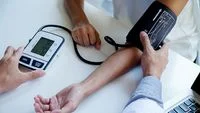
Discovering an elevated blood pressure reading during a routine check can be an unsettling experience, often triggering immediate anxiety. Hypertension, clinically defined as a sustained elevation in systemic blood pressure, remains one of the most pervasive global health challenges, frequently dubbed the "silent killer" because it often presents with no discernible symptoms until significant damage has occurred. When a home monitor displays a reading exceeding the standard threshold, it is critical to understand the correct, medically sound steps to take to ensure accurate assessment and appropriate medical intervention.
Understanding the Nature of Blood Pressure Fluctuations
Blood pressure is not a static physiological marker; it is a dynamic measurement that fluctuates constantly in response to physical activity, emotional stress, circadian rhythms, and even recent dietary intake. Minor spikes are a normal physiological response to daily stressors. However, clinical concern arises when these numbers remain consistently elevated or spike to dangerous levels. According to the World Health Organization (WHO), hypertension affects approximately 1.28 billion adults aged 30–79 years worldwide, with the vast majority living in low- and middle-income countries.
The primary danger of untreated or unmanaged hypertension is its progressive damage to the cardiovascular system. Over time, high blood pressure exerts excessive force against arterial walls, leading to micro-tears and the subsequent buildup of plaque (atherosclerosis). This damage elevates the risk of severe complications, including myocardial infarction (heart attack), cerebrovascular accidents (stroke), chronic kidney disease, and retinal damage. Because the condition is often asymptomatic, many individuals remain unaware of their hypertensive status until a secondary health crisis occurs.
Immediate Protocols: Maintaining Composure and Accuracy
When an individual identifies a high reading on their digital blood pressure monitor, the initial reaction should be one of measured caution rather than alarm. Cardiologists, including Dr. Rohit Goel, emphasize that panic itself can induce a sympathetic nervous system response, further elevating blood pressure and skewing the reading.
The recommended clinical protocol begins with environmental control. The individual should immediately move to a quiet, temperate, and comfortable space. It is essential to eliminate immediate stressors: cease all physical activity, extinguish any cigarettes, avoid the consumption of caffeinated or alcoholic beverages, and practice deep, rhythmic breathing to mitigate psychological distress.
Proper measurement technique is the second phase of accurate assessment. After a mandatory rest period of at least five minutes, a second measurement should be taken. The subject must be seated in a chair with back support, feet placed flat on the floor—never crossed—and the arm supported at the level of the heart. The cuff must be of the appropriate size; a cuff that is too small can artificially inflate the reading, while one that is too large may result in an erroneously low measurement. Importantly, the individual must refrain from speaking during the measurement process, as vocalization can raise blood pressure by several millimeters of mercury (mmHg).
The Threshold of Hypertensive Crisis
While moderate elevations often require lifestyle adjustments and follow-up with a primary care physician, certain readings necessitate immediate emergency medical attention. Medical guidelines generally categorize a blood pressure reading of 180/110 mmHg or higher as a hypertensive crisis.
If a patient records a reading at this level, the recommended protocol is to wait one minute and repeat the measurement to rule out a technical error. If the second reading remains at or above 180/110 mmHg, the situation requires urgent professional intervention. This is particularly critical if the elevated reading is accompanied by "target organ damage" symptoms. These include, but are not limited to:
- Severe, throbbing headaches
- Acute chest pain (angina)
- Shortness of breath or dyspnea
- Vision disturbances (blurriness or blind spots)
- Neurological deficits (numbness, tingling, or weakness)
- Confusion or difficulty speaking
In the presence of these symptoms, the individual should seek emergency medical services (EMS) immediately, as these are clinical indicators of imminent or ongoing damage to the heart, brain, or kidneys. If no symptoms are present, it is still advised to contact a healthcare provider or urgent care facility for immediate guidance, as the pressure must be lowered systematically to avoid dangerous drops in perfusion to vital organs.
The Dangers of Self-Medication
A common, yet perilous, error occurs when patients decide to adjust their medication dosages independently after seeing a high reading. Medical professionals strictly advise against self-medicating or doubling up on antihypertensive drugs. Rapidly dropping blood pressure can be as dangerous as having high pressure, potentially causing dizziness, fainting, or ischemic events due to reduced blood flow to the brain. Any changes to a pharmacological regimen must be conducted under the direct supervision of a licensed physician who can assess the patient’s overall cardiovascular profile.
Long-Term Management and Lifestyle Interventions
While emergency protocols address acute spikes, the broader health objective is the sustained management of hypertension. The WHO outlines a comprehensive framework for blood pressure control that centers on modifiable lifestyle factors.
Dietary modifications form the cornerstone of hypertension management. The reduction of sodium (salt) intake is paramount. Excessive sodium causes the body to retain fluid, which increases blood volume and, consequently, pressure on arterial walls. Diets high in potassium—found in fruits, vegetables, nuts, and legumes—can help blunt the effects of sodium. Furthermore, limiting the intake of saturated fats and trans fats is essential to maintaining vascular elasticity and preventing the progression of atherosclerosis.
Physical activity is equally critical. The WHO recommends a minimum of 150 minutes of moderate-intensity aerobic physical activity per week, or 75 minutes of vigorous-intensity aerobic activity. This can be achieved through brisk walking, swimming, cycling, or structured exercise classes. Additionally, muscle-strengthening activities should be incorporated at least two days a week to improve metabolic health and blood pressure regulation.
Other lifestyle factors that significantly influence long-term outcomes include:
- Weight Management: Maintaining a body mass index (BMI) within the healthy range reduces the workload on the heart.
- Smoking Cessation: Nicotine causes immediate vasoconstriction, raising blood pressure and damaging the inner lining of the arteries.
- Alcohol Moderation: Excessive alcohol consumption is directly linked to secondary hypertension and the weakening of the heart muscle (cardiomyopathy).
- Stress Mitigation: Chronic activation of the stress response contributes to persistent hypertension. Mindfulness practices, yoga, and adequate sleep hygiene are recommended as non-pharmacological adjuncts.
Implications for Public Health
The rising prevalence of hypertension is closely tied to urbanization and the "nutritional transition," characterized by an increase in the consumption of processed, calorie-dense, and sodium-rich foods. Public health initiatives globally are shifting toward a preventative model, encouraging regular blood pressure screenings as a standard of care for adults over the age of 20, regardless of their perceived health status.
For the individual, the most important takeaway is that hypertension is a manageable condition. A high reading is not necessarily a sign of an impending catastrophe, provided it is met with a calm, informed, and systematic response. By integrating consistent monitoring with evidence-based lifestyle changes and open communication with medical professionals, individuals can effectively mitigate the risks associated with high blood pressure and significantly improve their long-term cardiovascular prognosis.
Ultimately, the goal is to shift from reactive care—responding only when the numbers spike—to proactive health maintenance. Monitoring one’s blood pressure at home provides invaluable data for doctors to make informed decisions regarding treatment. By keeping a detailed log of these measurements, including the time of day, current stress levels, and any preceding physical activity, patients empower their physicians to provide personalized care that goes beyond simple symptom management. Consistency, vigilance, and adherence to medical guidance remain the most powerful tools in the fight against hypertension.
