
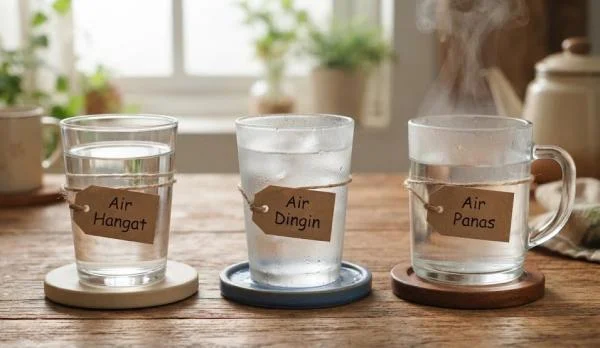
Water is the fundamental solvent for life, essential for the metabolic processes, thermoregulation, and homeostatic balance of the human body. While the clinical recommendation for daily water intake—typically cited as approximately 2.7 liters for women and 3.7 liters for men—is widely understood, the scientific discourse surrounding the temperature of the water consumed remains a subject of ongoing nutritional study. Recent investigations suggest that the thermal state of water may influence physiological responses, exercise recovery, and digestive efficiency, prompting a closer look at whether cold, room-temperature, or warm water offers distinct advantages.
The Science of Thermoregulation and Hydration
The human body operates within a narrow core temperature range, typically hovering around 37 degrees Celsius (98.6 degrees Fahrenheit). When individuals consume water that deviates from this temperature, the body must expend a negligible amount of energy to equilibrate the fluid to match internal conditions.
From a physiological perspective, cold water—defined as water consumed between 0 and 15 degrees Celsius—is often preferred during periods of physical exertion. The primary mechanism at play is the suppression of core temperature rise during strenuous activity. A study published in the Journal of the International Society of Sports Nutrition suggests that cold water consumption can potentially delay the onset of hyperthermia in athletes working in high-temperature environments. By facilitating a faster reduction in core temperature, cold water may assist in maintaining performance thresholds and improving the subjective feeling of comfort during intense training sessions.
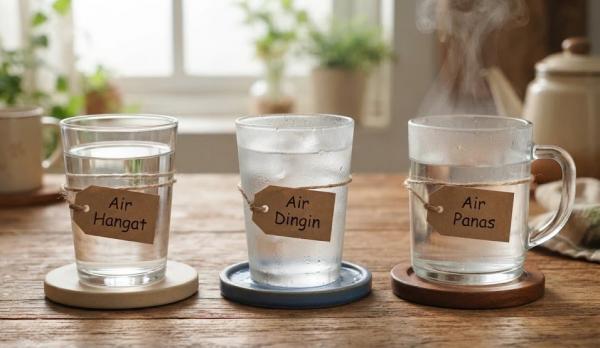
However, the efficacy of cold water is not universal. In environments where the ambient temperature is low, or when an individual is already experiencing thermal stress, the body may prioritize maintaining its core temperature, potentially causing vasoconstriction in the digestive tract.
The Role of Warm Water in Digestive Physiology
Conversely, warm or hot water—typically ranging from 40 to 50 degrees Celsius—has long been lauded in traditional medicinal practices, such as Ayurveda and Traditional Chinese Medicine, for its digestive benefits. Modern physiological research provides some grounding for these claims.
The consumption of warm water has been associated with improved gastrointestinal motility. When warm water enters the stomach, it may help to break down dietary fats and stimulate blood flow to the digestive organs, potentially facilitating the transit of food through the intestinal tract. Furthermore, for individuals suffering from conditions such as achalasia—a disorder of the esophagus that makes swallowing difficult—warm water has been shown to assist in relaxing the esophageal muscles, thereby aiding in the ingestion of nutrients.
There is also a well-documented benefit regarding respiratory health. Inhaling steam or drinking warm liquids is a standard clinical recommendation for managing symptoms of upper respiratory infections. The warmth helps to loosen mucus in the nasal passages and the throat, providing temporary relief from congestion. This effect is largely attributed to the thermal energy and humidity provided by the liquid, which promotes the thinning of secretions, allowing for easier clearance of the airways.

Chronology of Nutritional Guidance
The focus on hydration habits has evolved significantly over the past several decades. In the mid-20th century, the medical community emphasized basic fluid volume, often disregarding the specific temperature of intake. By the 1990s, with the rise of sports science, the industry shifted toward "cold-water preference" to combat heat exhaustion among professional athletes.
In the early 2010s, global health organizations began to integrate hydration strategies into broader public health initiatives, recognizing that dehydration is a precursor to a host of chronic conditions, including kidney stones and cognitive decline. Most recently, the conversation has matured to include the nuance of water temperature as part of a personalized nutrition plan. Researchers currently advocate for "contextual hydration," where the temperature of the water is chosen based on the immediate environmental and physical needs of the individual.
Data-Driven Considerations and Physiological Impacts
When evaluating the impact of water temperature, several data points must be considered:
- Gastric Emptying Rates: Studies indicate that cold water may slow gastric emptying slightly compared to room-temperature water. While this is rarely a health concern for the average person, it can be a factor for endurance athletes who need rapid fluid absorption.
- Metabolic Rates: There is a common misconception that drinking ice-cold water "burns" significant calories. While the body does expend energy to heat the water to body temperature, the caloric burn is scientifically considered statistically insignificant in terms of long-term weight management.
- Electrolyte Balance: The temperature of the water does not affect the body’s ability to absorb electrolytes. Whether water is cold or warm, the primary driver of hydration remains the total volume of fluid and the presence of necessary minerals such as sodium, potassium, and magnesium.
Expert Perspectives and Official Responses
Health experts and nutritionists generally agree that while water temperature can influence comfort and specific symptom management, the "best" temperature is the one that encourages an individual to consume enough water throughout the day.

"The most critical factor in hydration is compliance," notes Dr. Elena Vance, a clinical nutritionist who has reviewed several studies on fluid intake. "If an individual finds that they drink more water when it is chilled, then cold water is the healthier choice for them. If someone suffers from sensitive teeth or digestive discomfort and finds warmth more palatable, they should prioritize warm water. The physiological differences are minor compared to the major health risks associated with chronic mild dehydration."
Furthermore, dental health professionals often caution against extreme temperature variations. Rapid consumption of ice-cold water followed by hot food can cause micro-fractures in tooth enamel due to thermal shock. Therefore, moderate temperatures are generally advised for those with dental sensitivity.
Implications for Public Health
The broader implication of these findings is that public health messaging should move away from a "one-size-fits-all" approach to hydration. Instead, educational campaigns should emphasize that hydration is a dynamic process.
In tropical climates, such as in Southeast Asia, where high humidity and temperatures prevail, the emphasis on cooling fluids—including water—is a natural adaptation to the environment. In contrast, during the winter months in temperate climates, warm fluids may offer psychological and physical comfort that encourages consistent intake when the body’s natural thirst mechanism is less active.

Addressing Future Research Gaps
Despite the current body of knowledge, significant gaps remain. Much of the research on water temperature is conducted in small, controlled clinical environments. There is a lack of large-scale, longitudinal studies that examine the long-term impact of consistently consuming hot versus cold water on digestive health markers or metabolic outcomes.
Future research is expected to utilize advanced biomarkers to track the intracellular hydration status at different water temperatures. Furthermore, as the impact of climate change alters global temperature patterns, understanding how human hydration needs shift in response to extreme heat will become increasingly vital for public policy.
Conclusion
Water remains the most essential nutrient for human survival. While the debate between cold and warm water often centers on anecdotal preference, there is clear evidence that both have specific, localized benefits. Cold water is an effective tool for thermoregulation and exercise performance, while warm water offers therapeutic advantages for digestive comfort and respiratory relief.
Ultimately, the goal of any hydration strategy should be the consistent maintenance of fluid balance. Whether consumed at room temperature, chilled, or heated, the primary mandate remains the same: to satisfy the body’s requirement for water to ensure the efficient operation of all biological systems. By understanding the subtle physiological responses to water temperature, individuals can better tailor their habits to support their unique health goals, athletic performance, and daily well-being. The lack of a "superior" temperature indicates that the most effective hydration plan is one that is sustainable, pleasurable, and adapted to the specific conditions of the individual’s lifestyle.
