
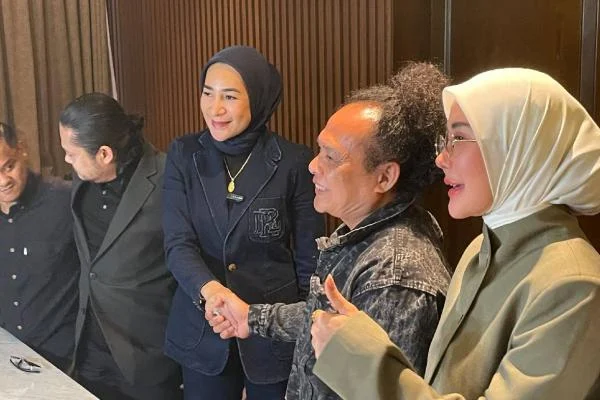
The high-profile legal battle between Rien Wartia Trigina, widely known as Erin Wartia, and her former domestic helper, Herawati, has reached a definitive conclusion. After months of intense public scrutiny and a protracted legal struggle that saw criminal charges brought against the prominent figure, both parties have officially agreed to a peaceful resolution. This settlement, facilitated through the Indonesian legal system’s restorative justice framework, marks the end of a controversy that had captured the attention of the Indonesian public since its escalation earlier this year.
The dispute, which once seemed destined for a lengthy trial, concluded with the mutual withdrawal of police reports. This development effectively halts all ongoing criminal proceedings, sparing both parties from further litigation. For Erin Wartia, who had previously been named a suspect in a case involving alleged physical abuse, the resolution brings an immediate cessation of the legal pressures that have dominated her life since late September 2026.
Chronology of the Conflict
The friction between the employer and the employee began to surface publicly when Herawati filed a formal complaint with the authorities on September 30, 2026. The allegations centered on claims of physical mistreatment, which prompted a swift police investigation. Under Indonesian law, the process involved gathering witness testimonies, medical reports, and forensic evidence to determine the validity of the accusations.
By late October 2026, the investigation reached a critical juncture when investigators officially designated Erin Wartia as a suspect. This status change intensified media coverage and public discourse, with various advocacy groups and legal observers weighing in on the implications of employer-employee dynamics in domestic settings. Throughout the process, the legal teams representing both sides engaged in rigorous debates, though the atmosphere eventually shifted toward reconciliation as the complexities of a full-scale trial became apparent to both parties.
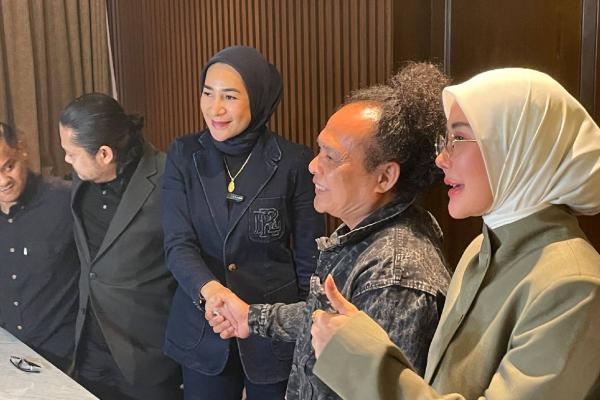
The turning point occurred in mid-November 2026, when both sides expressed a willingness to engage in dialogue outside the courtroom. With the mediation of legal counsel and intermediaries, the narrative moved away from accusations and toward the potential for a restorative justice settlement, which emphasizes healing and restitution over punitive measures.
The Role of Mediation and Legal Counsel
A significant factor in the successful resolution of this case was the involvement of high-profile mediator and legal counsel Marissya Icha. Known for her active role in high-profile social and legal issues, Icha took on the responsibility of facilitating the final negotiations. Her intervention was instrumental in bringing the two parties to the table to discuss the terms of the withdrawal of reports.
By acting as a bridge between Erin Wartia and Herawati, Icha ensured that the restorative justice process—a mechanism encouraged by the Indonesian National Police to resolve minor or interpersonal disputes without the need for prison sentences—was implemented effectively. The submission of the official peace agreement and the subsequent filing for the dismissal of the case signaled the formal end of the conflict.
Implications of the Restorative Justice Framework
The use of restorative justice in this case highlights a broader trend within the Indonesian criminal justice system. In recent years, the authorities have increasingly promoted this approach for cases involving interpersonal conflict where the victim and perpetrator are willing to reconcile. The primary objective is to restore harmony and provide a sense of closure that a traditional court verdict, often perceived as binary and adversarial, might not achieve.
From a legal standpoint, the agreement dictates that no further charges will be pursued. This effectively shields Erin Wartia from the potential consequences of the criminal allegations, provided that the terms of the settlement are upheld. For Herawati, the resolution allows her to move forward, with reports indicating that she intends to seek new employment opportunities, potentially transitioning into the role of a migrant worker (TKI) abroad.

Broader Social Context and Impact
The case of Erin Wartia and Herawati serves as a microcosm of the evolving complexities regarding the domestic worker-employer relationship in Indonesia. These conflicts are often characterized by power imbalances, which frequently lead to public discourse regarding the rights of domestic laborers and the responsibilities of employers.
Public reaction to the news of the settlement has been varied. While some observers welcome the peaceful conclusion, others continue to discuss the importance of labor rights and the necessity for clear, written contracts that protect both domestic workers and employers. The intense media attention surrounding this specific case also underscores the public’s fascination with the personal lives of high-profile individuals, particularly when those lives intersect with common societal issues such as labor disputes.
Analysts suggest that the resolution will likely serve as a case study for legal practitioners interested in the practical application of restorative justice in high-stakes environments. By prioritizing reconciliation, the legal system has avoided the social and economic costs of a prolonged trial, which could have been detrimental to both parties involved.
Future Outlook for the Parties Involved
As the legal proceedings conclude, both Erin Wartia and Herawati are expected to return to their private lives. Erin Wartia, in recent public statements, has expressed a desire to refocus her energy on her family and domestic responsibilities, hoping to put the stressors of the legal battle behind her.
Herawati, meanwhile, is reportedly making plans for a new chapter in her professional career. Her decision to pursue work as a migrant worker reflects a common career trajectory for many domestic workers in Indonesia who seek better economic prospects after the conclusion of their domestic service contracts.

Conclusion
The reconciliation between Erin Wartia and Herawati is a testament to the efficacy of the restorative justice process in resolving disputes that might otherwise linger in the courts for years. By choosing to settle their differences, both parties have managed to navigate a volatile situation toward a stable outcome. While the incident remains a notable chapter in the public record of 2026, the formal closure of the case ensures that the focus remains on the future rather than the past.
For the legal community, the outcome reinforces the value of mediation. For the public, the resolution provides a clear end to a story that, at its height, raised significant questions about accountability and the nature of workplace disputes. As the dust settles, the case stands as a reminder of the importance of dialogue in resolving conflicts, even those that appear, at first glance, to be irreconcilable. The cessation of hostilities between the two parties is not merely a legal victory, but a social one, as it prevents the further escalation of a private matter into a prolonged public spectacle.
Ultimately, the settlement serves as a definitive end to the proceedings, allowing all involved to move on with their lives. The case, once a source of tension, has now been resolved through the mechanisms designed to facilitate such peace, providing a roadmap for how similar conflicts might be addressed in the future. As both individuals step out of the spotlight, the lessons drawn from this experience—both in terms of legal procedure and personal conduct—remain a subject of interest for those monitoring the evolution of domestic relations and the application of restorative justice in Indonesia.
