
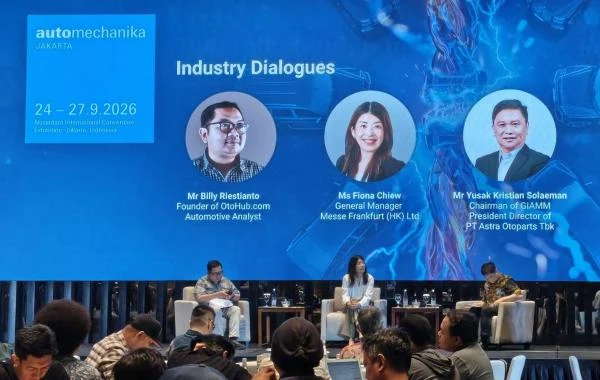
The Indonesian automotive sector is currently navigating a period of profound structural transformation as global trends push toward the electrification of transport. While the discourse surrounding the transition from Internal Combustion Engine (ICE) vehicles to Battery Electric Vehicles (BEV) often emphasizes rapid displacement, the reality on the ground—particularly within the Indonesian component manufacturing landscape—suggests a more nuanced and protracted evolution. Industry leaders and stakeholders, speaking ahead of the upcoming Automechanika 2026 exhibition in Jakarta, have highlighted that the aftermarket and manufacturing ecosystem for traditional components will retain significant value and relevance for the foreseeable future.
The Dynamics of Technological Transition in Indonesia
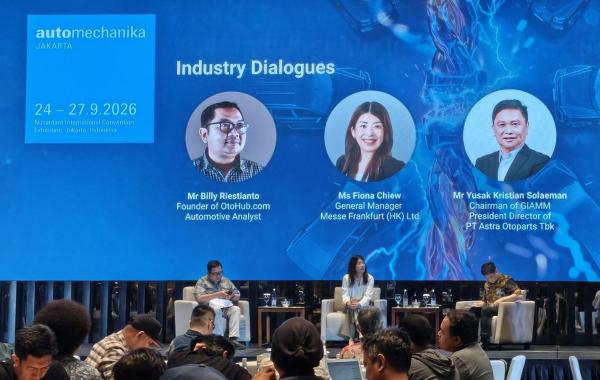
The shift toward electric mobility is a core pillar of Indonesia’s industrial strategy, supported by the government’s ambition to become a global hub for EV battery production and vehicle manufacturing. However, Yusak Kristian Solaeman, Chairman of GIIAM (Gabungan Industri Alat-alat Mobil dan Motor) and President Director of PT Astra Otoparts Tbk, suggests that the market’s transition will not be a sudden rupture but rather a gradual integration.
According to Solaeman, while it is true that a BEV features a significantly lower number of moving parts compared to an ICE vehicle—largely due to the elimination of complex systems like transmissions, fuel delivery, and exhaust components—the dominance of traditional engines is far from over. The geographic and infrastructural diversity of the Indonesian archipelago plays a crucial role in this persistence. In major metropolitan centers like Jakarta, the adoption of electric vehicles is incentivized by favorable policies and the gradual expansion of charging infrastructure. Conversely, in smaller cities and rural areas, the reliance on ICE vehicles remains absolute, driven by current infrastructure limitations and the established utility of conventional engines.
Understanding the Component Resilience Strategy
A critical aspect of the current industry dialogue is the distinction between "powertrain-specific" components and "shared" components. While the move to full battery-electric powertrains threatens the production demand for spark plugs, fuel injectors, and pistons, a vast array of components remains common to both ICE and EV platforms. These include braking systems, suspension components, interior modules, electronic control units (ECUs), and steering systems.
Furthermore, the industry is increasingly looking toward Hybrid Electric Vehicles (HEV) and Plug-in Hybrid Electric Vehicles (PHEV) as bridge technologies. These vehicles retain internal combustion engines, thereby ensuring a continued, long-term demand for traditional automotive parts. For manufacturers, this implies a dual-track strategy: investing in the research and development of EV-specific components while simultaneously maintaining the high-efficiency production lines that support the existing vehicle fleet.
Data and Market Context: The Road to 2026
The global automotive component market is undergoing a fundamental shift, with the market for EV-specific parts projected to grow at a Compound Annual Growth Rate (CAGR) of over 15% through 2030. However, in emerging markets like Indonesia, the "legacy" fleet remains the primary driver of aftermarket demand.
As of 2026, the density of vehicles per capita in Indonesia remains relatively low compared to regional peers, suggesting significant room for growth in the total addressable market for both ICE and EV sectors. Industry projections indicate that even by the mid-2030s, a significant percentage of vehicles on Indonesian roads will continue to rely on some form of internal combustion, whether through dedicated petrol engines or hybrid configurations. This longevity of the legacy fleet provides a buffer for manufacturers, allowing them the necessary time to pivot their capital expenditures toward new technologies without facing immediate financial instability.
Industry Dialogues and the Automechanika 2026 Perspective
The upcoming Automechanika 2026 in Jakarta serves as a barometer for these shifting tides. The event acts as a nexus for stakeholders, ranging from traditional tier-one suppliers to emerging innovators in the battery management and charging infrastructure space.
During recent industry dialogues held in anticipation of the event, the consensus was clear: the narrative of "ICE versus EV" is being replaced by a more pragmatic "integration" approach. Manufacturers are increasingly focused on "future-proofing" their businesses. This involves identifying which parts of their current portfolio are vulnerable to electrification and seeking opportunities to repurpose their manufacturing expertise for the EV value chain. For instance, a company specializing in metal stamping for chassis parts for ICE vehicles can transition seamlessly to producing structural components for EV battery packs.

Socio-Economic Implications of the Shift
The transformation of the automotive component industry carries broader economic implications for Indonesia. The automotive manufacturing sector is a massive employer, and the shift toward electrification creates both challenges and opportunities for the workforce.
- Upskilling Requirements: As the complexity of automotive systems shifts from mechanical to electronic, the workforce must be retrained to handle high-voltage battery systems and software-defined vehicle architectures.
- Supply Chain Localization: Indonesia’s focus on its nickel reserves to anchor the EV battery supply chain is intended to transition the country from a raw material exporter to a component manufacturer. This shift is designed to compensate for the potential loss of traditional ICE component manufacturing jobs by creating new ones in the EV sector.
- Regional Disparities: The transition will likely happen at different speeds across the archipelago. Policymakers face the challenge of ensuring that the shift toward green mobility does not leave behind regional markets that still depend on affordable, easily maintained combustion engines.
Analysis: Navigating the Transition
The resilience of the Indonesian component market is not merely a sign of inertia; it is a calculated response to the economic reality of the region. A complete transition to electric vehicles would require a massive, capital-intensive overhaul of the power grid, charging infrastructure, and consumer affordability models.
By prioritizing a "technology-neutral" approach—where hybrid systems and high-efficiency ICE vehicles are allowed to coexist with EVs—Indonesia is effectively hedging its risks. This strategy allows domestic manufacturers to maintain their export and domestic volume targets while incrementally adopting the technologies required for a sustainable future.
The focus for industry players in the coming years will be on operational agility. Companies that can maintain the quality and availability of legacy parts—essential for keeping the existing fleet on the road—while simultaneously securing partnerships in the EV ecosystem, are expected to emerge as the leaders of the next decade.
Conclusion
The future of the Indonesian automotive component market is characterized by a long-term, multi-layered transition. As stated by industry leaders, the death of the internal combustion engine is a distant prospect, particularly in the context of the vast, diverse Indonesian automotive landscape.

The industry is currently in a state of productive tension: balancing the immediate, high-volume demand for traditional parts with the strategic necessity of preparing for an electric future. As stakeholders gather for Automechanika 2026, the focus will not be on the rapid replacement of old technology, but on the systematic evolution of the automotive ecosystem. This transition will be defined by resilience, innovation, and a pragmatic understanding that the road to electrification is not a sprint, but a long-distance endeavor that requires careful navigation of both the old and the new.
Ultimately, the Indonesian automotive industry remains a vital engine of economic growth. By leveraging its established manufacturing base and embracing the technological shifts, the nation is well-positioned to maintain its status as a critical player in the global automotive supply chain, ensuring that the transition to electric mobility contributes to, rather than disrupts, national industrial stability.
