
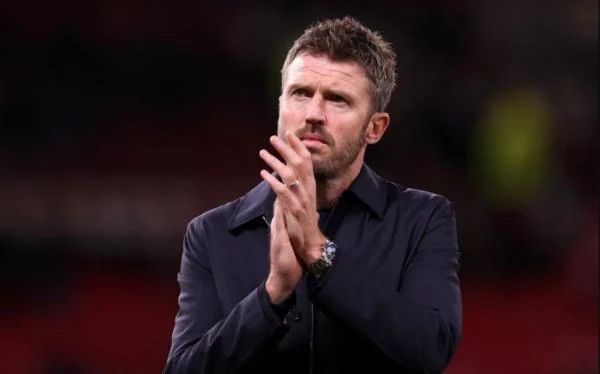
The pressure surrounding Manchester United’s managerial position has reached a critical juncture following a lackluster 1-1 draw against Fulham at Craven Cottage on Sunday, September 20, 2026. This latest result leaves the Old Trafford outfit languishing in the bottom half of the Premier League table, having secured a dismal five points from a possible fifteen in their opening five fixtures of the 2026/2027 campaign. The draw serves as a microcosm of the systemic issues currently plaguing the club under manager Michael Carrick, whose position is increasingly being scrutinized by both the board and an disillusioned fanbase.
A Struggle for Consistency at Craven Cottage
The match against Fulham was characterized by a lack of offensive fluidity and defensive lapses that have become all too common for the Red Devils this season. Manchester United entered the match looking to recover from a demoralizing week, but they struggled to impose their will on a disciplined Fulham side. The deadlock was broken in the 65th minute, albeit in the most unfortunate manner possible. A scramble inside the penalty area saw Lisandro Martinez inadvertently turn the ball into his own net, gifting the hosts a lead that seemed destined to secure all three points for the London side.
As the match entered the closing stages, the frustration among the traveling support was palpable. However, in the 89th minute, a glimmer of reprieve arrived when Matheus Cunha’s speculative effort took a fortunate deflection off a Fulham defender, looping into the net to level the score. While the late equalizer salvaged a point, it failed to mask the deeper deficiencies in United’s tactical approach and mental resilience.
Chronology of a Disastrous Opening Campaign
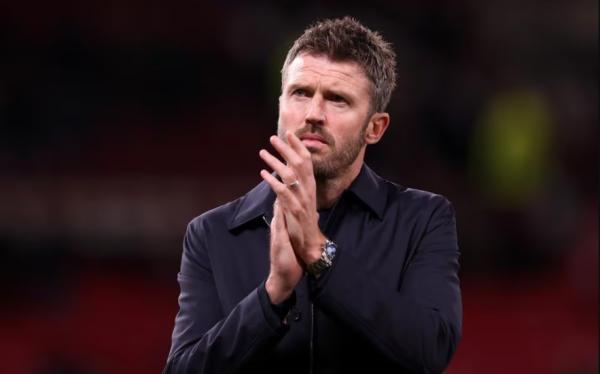
The current predicament is not an isolated incident but rather the culmination of a difficult start to the 2026 season. The campaign began with a series of disjointed performances that raised immediate red flags regarding the squad’s readiness and tactical discipline.
- Matchday 1-2: United struggled to find rhythm, dropping points in games that were previously considered manageable, leading to an early loss of momentum.
- The Derby Defeat: The situation worsened during the high-profile Manchester Derby at Old Trafford. Despite Manchester City being reduced to ten men for a significant portion of the match, United failed to capitalize on the numerical advantage, eventually succumbing to a defeat that highlighted a lack of tactical ingenuity.
- League Cup Humiliation: The misery was compounded in mid-week when Brighton & Hove Albion knocked Manchester United out of the Carabao Cup in a performance that many critics described as lethargic and uninspired.
- The Fulham Draw: The stalemate on Sunday served as the latest entry in this downward trajectory, confirming that the club has yet to find a solution to its ongoing issues.
Statistical Context: A Historical Low
The gravity of the current situation is best illustrated by the data provided by Opta, which confirms that Michael Carrick has now equaled the worst start to a Premier League season in Manchester United’s history. To find a comparable record, one must look back to the 2014/2015 season under Louis van Gaal, where the team similarly managed only five points from their first five matches.
The comparison to the 2014/2015 campaign is particularly concerning for the United faithful. That season was marked by a transitional period of immense uncertainty. The fact that the club finds itself in a similar position over a decade later suggests that the structural issues within the organization—ranging from recruitment strategy to on-field coaching—remain unresolved. Beyond the points tally, United’s defensive metrics are particularly alarming, as the team has consistently conceded goals due to individual errors rather than being systematically broken down by opponents.
The Management Conundrum: Is Carrick the Right Man?
Michael Carrick, who took the helm with the hopes of bringing stability and a modern tactical philosophy to Old Trafford, is now facing a career-defining test. In his post-match press conference, Carrick maintained a composed demeanor, emphasizing the need for patience and hard work. "We are in a difficult period, and the results clearly reflect that. We have to take responsibility for our performances, but I believe in this group of players and our ability to turn this around," Carrick stated.

However, the noise surrounding his potential departure is growing louder. Reports have already begun to circulate regarding the club’s board exploring alternatives, with names such as Antonio Conte being linked to the managerial vacancy. Such links are indicative of the "win-now" pressure inherent at a club of Manchester United’s stature. For the hierarchy, the decision to stick with Carrick is a delicate balancing act between maintaining long-term continuity and addressing the immediate, tangible threat of a lost season.
Implications and Future Outlook
The broader implications of this poor start are significant. Financially, the failure to secure early points puts the club on the back foot in the race for European qualification, which is essential for the club’s commercial and recruitment aspirations. Furthermore, the morale within the dressing room is a growing concern. If the senior players, many of whom are on high-value, long-term contracts, begin to lose faith in the manager’s vision, the results could spiral even further.
The club’s recruitment policy has also been called into question. The recent news regarding the potential loss of a promising 15-year-old wonderkid from the academy—a story that has dominated headlines—further illustrates a perceived lack of direction at both the youth and senior levels. When a club loses its identity and its ability to retain talent, it signals a systemic failure that transcends the manager currently in the dugout.
Looking ahead, Manchester United faces a series of crucial fixtures that will likely determine the fate of the coaching staff. The upcoming schedule offers little room for error. If the team continues to drop points against mid-table and lower-tier opponents, the board will be left with no choice but to intervene. The fans, who have remained vocal in their support but are increasingly impatient with the lack of progress, will undoubtedly make their voices heard at the next home game.
Conclusion: The Path Forward
The situation at Manchester United is a reminder that historical prestige provides no immunity from the realities of modern football. Michael Carrick is effectively walking a tightrope. To survive, he must not only improve the team’s point tally but also instill a recognizable style of play that gives the supporters confidence in the future.
The draw against Fulham is not merely a dropped point; it is a symptom of a club searching for an identity. As the Premier League season enters its next phase, the spotlight will intensify. For Manchester United, the coming weeks are not just about winning games; they are about proving that the club still possesses the DNA of a top-tier contender capable of competing at the highest level of English football. Whether that journey continues under Carrick or requires a change in leadership remains the most significant question in the footballing world today. The next few matches will undoubtedly provide the answer.
