

Sleep deprivation is far more than a simple matter of physical exhaustion or a lingering sense of drowsiness; it is a profound physiological state that fundamentally alters the human brain’s ability to process emotions and navigate social complexities. While the immediate symptoms of a late night are often characterized by heavy eyelids and a reliance on caffeine, the deeper psychological ramifications involve a significant decline in emotional intelligence, increased irritability, and a heightened state of defensiveness. According to sleep experts and neuroscientists, when the brain is denied the restorative power of sleep, the delicate balance between the centers of logic and emotion is disrupted, leading to a state where individuals become increasingly reactive to minor stressors.
Vishal Dasani, a prominent Indonesian educator and sleep coach, recently highlighted these concerns, noting that the inability to secure adequate rest can transform an individual’s personality in social settings. Speaking through his digital platforms, Dasani emphasized that sleep deprivation does not merely make a person tired; it can make them "annoying" or difficult to interact with, not because of a character flaw, but because of a physiological deficit. When the brain is fatigued, its capacity to process information clearly and calmly is compromised. Consequently, neutral comments from colleagues or friends may be misinterpreted as sharp criticisms, and constructive feedback may be perceived as a personal attack. This shift in perception often triggers a defensive mechanism, where the sleep-deprived individual feels an urgent need to justify themselves or lash out, even when no threat exists.
The Neurobiology of Emotional Dysregulation
To understand why sleep loss leads to such heightened reactivity, one must look at the neurobiological mechanisms at play. The brain’s emotional processing center, the amygdala, is responsible for triggering immediate emotional responses, particularly those related to fear and anger. In a well-rested brain, the prefrontal cortex—the area associated with executive function, logic, and impulse control—acts as a "brake" on the amygdala. It modulates emotional responses, allowing an individual to evaluate a situation rationally before reacting.
However, clinical studies, including those conducted by the University of California, Berkeley, have shown that sleep deprivation severs this connection. Without sufficient rest, the prefrontal cortex loses its ability to regulate the amygdala. As a result, the amygdala becomes hyper-responsive, reacting up to 60% more intensely to negative stimuli than it would in a rested state. This explains why a sleep-deprived person might find themselves snapping at a loved one over a minor misunderstanding or feeling an overwhelming sense of frustration when faced with a simple daily task. The brain, in its exhausted state, reverts to a more primitive "fight or flight" mode, prioritizing survival instincts over social harmony.
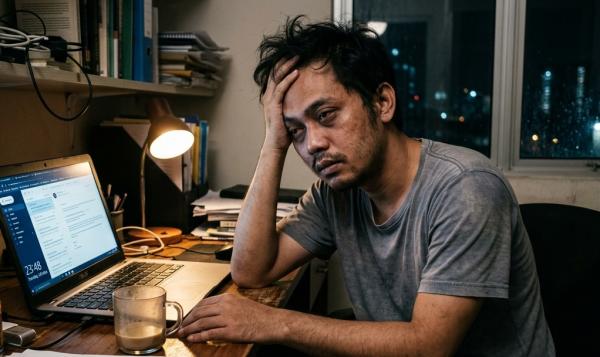
A Chronology of Cognitive and Emotional Decline
The impact of sleep deprivation follows a predictable timeline, with symptoms worsening as the period of wakefulness extends. Understanding this chronology is essential for recognizing the point at which an individual’s behavior becomes a product of biological necessity rather than choice.
Within the first 16 to 18 hours of wakefulness, cognitive performance begins to dip. This is the stage where most people start to feel "edgy." By the time a person has been awake for 24 hours, their cognitive impairment is comparable to having a blood alcohol concentration (BAC) of 0.10%, which is above the legal limit for driving in many jurisdictions. At this stage, emotional volatility begins to manifest. The individual may experience mood swings and a decreased ability to empathize with others.
If wakefulness continues into the 36-to-48-hour mark, the body enters a state of extreme stress. Microsleeps—uncontrollable bursts of sleep lasting a few seconds—become common. Emotionally, the individual may experience "emotional blunting" or, conversely, extreme outbursts. The ability to read social cues, such as facial expressions or tone of voice, is significantly diminished, leading to frequent social friction.
Beyond 72 hours, the deprivation enters a critical phase. Hallucinations, paranoia, and a total breakdown of logical reasoning can occur. At this point, the individual is no longer capable of maintaining professional or personal decorum, as the brain’s primary objective shifts entirely to maintaining basic metabolic functions.
Supporting Data: The Scale of the Sleep Crisis
The insights provided by experts like Vishal Dasani are supported by a growing body of global data indicating a "sleep loss epidemic." The World Health Organization (WHO) and the National Sleep Foundation have consistently reported that nearly one-third of adults in industrialized nations fail to get the recommended seven to nine hours of sleep per night.

In Indonesia, urban lifestyles and the "hustle culture" prevalent in cities like Jakarta have contributed to a significant decline in sleep quality. Data suggests that work-related stress, long commutes, and excessive screen time are the primary drivers of this trend. The "blue light" emitted by smartphones and laptops suppresses the production of melatonin, the hormone responsible for regulating sleep-wake cycles, further exacerbating the problem.
Furthermore, the American Academy of Sleep Medicine (AASM) has linked chronic sleep deprivation to a host of long-term mental health issues, including clinical depression and anxiety disorders. The irritability and defensiveness noted by Dasani are often the early warning signs of these more severe conditions. When an individual is chronically unable to regulate their emotions due to lack of sleep, it creates a feedback loop of social isolation and increased stress, which in turn makes it even harder to achieve restful sleep.
The Impact on Professional and Social Environments
The implications of sleep-induced irritability extend far beyond the individual, affecting the productivity and morale of entire organizations. In a professional setting, a sleep-deprived leader or team member can inadvertently create a toxic work environment. Because they are more likely to perceive suggestions as criticisms, collaboration becomes difficult. The defensiveness described by Dasani often manifests as a "know-it-all" attitude, where the individual becomes resistant to new ideas and insists on their own perspective to protect their fragile emotional state.
Research from the Harvard Business Review suggests that sleep-deprived employees demonstrate lower levels of "organizational citizenship behavior." They are less likely to help colleagues, less likely to engage in creative problem-solving, and more likely to engage in unethical behavior or workplace conflict. The economic cost of this is staggering, with billions of dollars lost annually due to decreased productivity and increased healthcare costs related to sleep-related ailments.
In personal relationships, the "defensive" stance mentioned by Dasani can lead to a breakdown in communication. Partners of sleep-deprived individuals often report feeling as though they are "walking on eggshells." The inability of the tired person to process emotions clearly means that minor disagreements escalate into major arguments, eroding the foundation of trust and empathy required for healthy relationships.

Expert Recommendations and Societal Implications
To combat this trend, sleep coaches and medical professionals advocate for a shift in how society views rest. Vishal Dasani’s message is a call to recognize that sleep is not a luxury, but a fundamental biological requirement for social and emotional competence. He suggests that when individuals find themselves feeling uncharacteristically defensive or "right" all the time, they should first evaluate their sleep patterns before attributing their feelings to external conflicts.
Practical steps for improving "sleep hygiene" include:
- Consistency: Maintaining a regular sleep and wake schedule, even on weekends.
- Environment: Ensuring the bedroom is dark, cool, and quiet.
- Digital Detox: Disconnecting from electronic devices at least one hour before bedtime.
- Mindfulness: Engaging in relaxation techniques to lower the heart rate and calm the mind before sleep.
From a broader perspective, there is a growing movement to implement "sleep-positive" policies in the workplace, such as discouraging after-hours emails and allowing for flexible schedules that accommodate different chronotypes (the natural inclination of the body to sleep at a certain time).
Conclusion: The Path Toward Emotional Resilience
The findings presented by Vishal Dasani and supported by neurobiological research highlight a critical truth: our social selves are deeply tethered to our biological health. The irritability, reactivity, and defensiveness that characterize sleep deprivation are not merely personality quirks; they are the cries of a brain that is struggling to maintain order in a state of exhaustion.
As society continues to prioritize productivity and constant connectivity, the "invisible" cost of sleep loss becomes increasingly apparent in our fractured social interactions and heightened emotional volatility. Recognizing the link between a good night’s rest and emotional intelligence is the first step toward fostering a more empathetic, less reactive society. By prioritizing sleep, individuals can regain control over their emotional responses, leading to more meaningful connections and a more stable psychological state. Ultimately, the quest for emotional resilience begins not with a change in mindset, but with the simple act of closing one’s eyes and allowing the brain the time it needs to heal.
