
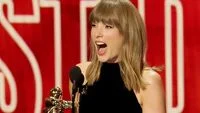
The recent publication of a scathing feature article on global pop icon Taylor Swift by Vanity Fair has ignited a firestorm of debate within the media landscape, casting a spotlight on the often-fraught relationship between high-profile celebrities and legacy media institutions. The article, titled "The Mastermind," has drawn significant criticism for its tone, sourcing, and timing. Emerging reports now suggest that the publication’s aggressive editorial stance may be inextricably linked to a series of denied requests for exclusive access to one of the most anticipated private events in modern pop culture history: the marriage of Taylor Swift and NFL star Travis Kelce.
The Anatomy of a Refusal
According to industry insiders familiar with the matter, the tension between Swift’s camp and Condé Nast—the parent company of Vanity Fair—predates the article’s publication by several months. Reports indicate that representatives for the publishing giant approached Swift’s management on at least two separate occasions, soliciting an exclusive deal for the rights to photos from her wedding to Travis Kelce.
The ceremony, which took place in July 2026 at the iconic Madison Square Garden in New York City, remains one of the most guarded events in recent celebrity history. Despite the presence of approximately 1,000 guests and performances by legendary musicians such as Stevie Nicks and Paul McCartney, no official imagery has been released to the public. Swift, known for her meticulous control over her public image and intellectual property, reportedly declined these overtures firmly but politely. It is within this context of denied exclusivity that observers are now analyzing the sudden emergence of a deeply critical, 100-source-heavy investigation into the singer’s character.
Chronology of the Controversy
The timeline of these events suggests a calculated escalation. While the wedding occurred in July 2026, the silence surrounding the nuptials persisted through the autumn. By late November, the media landscape shifted when Vanity Fair released "The Mastermind."
- July 2026: Taylor Swift and Travis Kelce hold their wedding ceremony at Madison Square Garden. The event features high-profile attendees and performances, but strict privacy protocols are enforced.
- August–October 2026: Condé Nast executives allegedly approach Swift’s team multiple times, seeking a publishing exclusive for wedding photographs. These requests are denied.
- November 23, 2026: Vanity Fair publishes "The Mastermind," a profile that avoids naming Swift directly, referring to her as "The Star," and incorporates the cryptic refrain "Look What You Made Me Do."
- November 24, 2026: Reports surface via Page Six detailing the failed negotiations between Condé Nast and the singer, leading to widespread public discourse regarding the ethics of the article’s publication.
Analyzing "The Mastermind"
The article itself serves as a stark departure from traditional celebrity profiles. By withholding the subject’s name and utilizing a narrative frame that characterizes Swift as a Machiavellian figure, the piece relies on anonymous anecdotes to paint a portrait of a star who allegedly demands total compliance from her inner circle. The author cites over 100 individuals, many of whom describe a pattern of behavior they characterize as retaliatory.
One of the more inflammatory comparisons made in the text likens Swift to the fictional character Regina George from the 2004 film Mean Girls, implying that the singer operates through social exclusion and calculated retribution. The piece focuses on historical grievances, some dating back to the singer’s youth, which has led many critics to question the journalistic relevance of such dated narratives in the context of her current professional standing.
The Industry Backlash and Ethical Implications
The reception to "The Mastermind" has been overwhelmingly polarized, with significant pushback coming from within the journalism community itself. Chris Willman, a seasoned entertainment journalist for Variety, did not mince words in his assessment, characterizing the publication as a low point for contemporary media.
"In a sea of magazine pieces that are intentionally looking for a reaction, it is difficult to recall another article that failed so completely in such a spectacular fashion—and triggered such an uproar—as the piece titled ‘The Mastermind,’" Willman wrote.
Critics argue that the article represents a "sour grapes" approach to journalism. When a media outlet fails to secure a high-value exclusive, the subsequent pivot to a hit piece raises ethical concerns regarding objectivity and motive. In the digital age, where celebrity-owned media platforms allow stars to bypass traditional gatekeepers, the role of legacy magazines is increasingly under pressure. By attempting to exert influence through critical narratives, some analysts suggest that legacy publications risk alienating both the artists they cover and the readers who are increasingly skeptical of sensationalized, thinly-sourced reporting.
Broader Impact on Celebrity-Media Relations
The standoff between Swift and Condé Nast highlights a permanent shift in the power dynamic between celebrities and the press. Historically, magazines provided the prestige necessary to elevate a star, and in exchange, stars provided access. Today, with the rise of social media and direct-to-fan communication, the "prestige" of a legacy magazine cover is often viewed by A-list celebrities as a secondary asset rather than a necessity.
Swift’s ability to maintain total privacy surrounding her wedding—a feat that would have been nearly impossible two decades ago—demonstrates the efficacy of her modern media strategy. By declining to sell her personal milestones, she retains ownership of her narrative. When media entities feel excluded from that narrative, the result, as seen in this instance, can lead to a volatile breakdown in professional standards.
Fact-Based Analysis: What Lies Ahead?
The implications of this controversy are twofold. First, it serves as a case study in the risks of "access-based journalism." When a publication’s reputation becomes tethered to its ability to secure exclusive access, any failure to do so can create an editorial bias that compromises the integrity of the work. Second, the public reaction to the article suggests that audiences are becoming increasingly adept at identifying when a publication is pushing a personal agenda rather than providing objective reporting.
As of the current writing, neither representatives for Taylor Swift nor the editorial team at Vanity Fair have issued official statements regarding the specific allegations of the failed wedding deal. However, the damage to the article’s credibility appears to have already been done in the eyes of many readers and industry professionals.
The incident has triggered a broader conversation about the necessity of editorial transparency. If readers are aware that a subject recently denied a publication access to their private life, they are naturally more likely to view a subsequent negative profile through a lens of skepticism. This transparency is likely to become a standard requirement as the lines between tabloid-style "gotcha" journalism and high-brow feature reporting continue to blur.
Conclusion
The "Mastermind" affair will likely be remembered as a pivotal moment in the ongoing evolution of celebrity journalism. It highlights the desperation of legacy media to maintain relevance in an era where they no longer hold the keys to the kingdom. As the industry grapples with declining influence and shifting audience expectations, the case of Taylor Swift and Vanity Fair serves as a cautionary tale: when the pursuit of an exclusive becomes a vendetta, the primary casualty is not the celebrity—whose influence remains largely undiminished—but the trust of the audience in the publication itself. Moving forward, both media houses and public figures will need to navigate this new, high-stakes environment with a greater emphasis on professional boundaries and ethical rigor, lest they continue to damage the very institutions they aim to uphold.
