
The results of the 2026 United States midterm elections have sent shockwaves through Washington, as the Republican Party faced a significant reversal of fortune, losing control of both chambers of Congress to a resurgent Democratic Party. In the aftermath of these results, President Donald Trump has acknowledged that the ongoing military campaign against Iran played a pivotal role in shifting voter sentiment, ultimately hindering the Republican agenda at the ballot box.
The midterm cycle, typically a referendum on the sitting administration, saw the Democratic Party capitalize on public dissatisfaction regarding the domestic economic climate. While the geopolitical stakes of the confrontation with Tehran were clear to the White House, the immediate domestic impact—specifically the volatility in energy markets—proved to be a decisive factor for voters across the country.
Acknowledging the Political Fallout
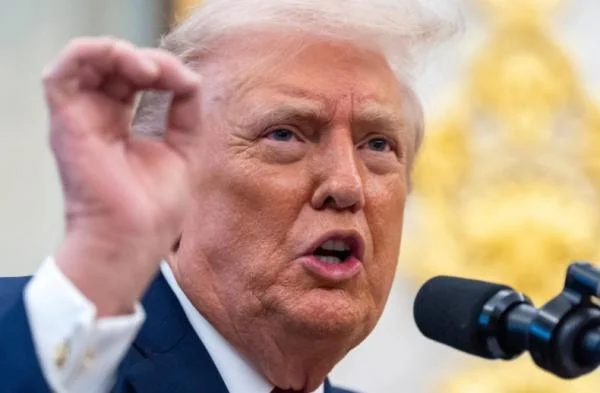
During a briefing on Thursday, November 5, 2026, President Trump addressed the findings of a post-election analysis, which aligned with comments made earlier by Vice President JD Vance. When asked if the conflict in the Middle East directly impacted the Republican Party’s performance, the President was candid in his assessment.
"According to my assessment, that is largely correct, because it did indeed lead to an increase in gasoline prices," Trump stated, citing reports from international observers. "When the average American goes to the pump and sees a significant spike in costs, they do not always weigh the long-term geopolitical necessity against their immediate household budget. It creates a headwind that is very difficult to overcome in a campaign season."
The admission marks a rare moment of introspection for the administration, which has largely maintained a hawkish stance on Iran throughout its term. Despite the electoral cost, the President reiterated his firm belief that the strategic imperative outweighed the political risks.
The Chronology of Conflict and Economic Pressure
The tensions between the United States and Iran escalated significantly in the months leading up to the November 3, 2026, elections. The military campaign, centered on the objective of dismantling Iran’s nuclear enrichment infrastructure, triggered a cascade of market reactions.
- Early 2026: Diplomatic channels stalled following reported intelligence regarding Iran’s accelerated centrifuge production.
- Summer 2026: The U.S. implemented a series of precision strikes on key facilities, leading to a temporary blockade of regional shipping lanes.
- September 2026: Global oil prices surged to a two-year high as markets factored in the risk of a protracted regional war.
- October 2026: Gasoline prices in the United States reached an average of $4.15 per gallon, a level that became a central talking point for Democratic challengers during debates.
- November 3, 2026: Election Day results confirmed a landslide shift in legislative power, with the Democratic Party securing a comfortable majority in both the House of Representatives and the Senate.
The Dilemma of National Security vs. Domestic Economy
The core of the administration’s defense remains the prevention of a nuclear-armed Iran. President Trump emphasized that the decision to engage militarily was not made lightly, but was deemed necessary to prevent a regional arms race that would threaten long-term global stability.
"If I had to do it all over again, I would do exactly the same thing," the President asserted. "In the long run, this is the only viable solution. We cannot—and will not—allow Iran to possess a nuclear weapon. The political price of the midterm election is a temporary setback; the threat of a nuclear Iran is a permanent danger to the international order."
This stance underscores the ongoing struggle within the U.S. political landscape: the clash between "America First" security doctrines and the economic realities of a globalized energy market. While the administration views the conflict as a preemptive necessity, the electorate’s response has highlighted the sensitivity of the American public to energy-driven inflation.
Economic Implications and Voter Sentiment
Data from the Bureau of Labor Statistics and independent polling firms indicated that "cost of living" and "energy prices" were the top two issues for voters in the 2026 midterms. The correlation between the military escalation in the Middle East and the rise in fuel costs provided a clear narrative for the opposition.
Economists note that the psychological impact of higher gas prices often carries more weight than macro-economic indicators. "When voters see prices rising at the gas station, they perceive it as an immediate failure of government policy, regardless of the underlying geopolitical cause," said Sarah Jenkins, a senior political analyst. "The Democratic Party was able to frame the conflict not as a security necessity, but as a failure of administration planning and foresight."
Furthermore, the surge in energy costs impacted logistics and transportation sectors, leading to a broader increase in the price of consumer goods. This created a cumulative effect on inflation, which further eroded the approval ratings of incumbent Republican candidates in battleground states.
Legislative Consequences: A Divided Government
The shift in power in Congress will have immediate ramifications for the remainder of the President’s term. With the Democratic Party now in control of the legislative agenda, the administration faces a period of intense oversight and potential gridlock.

Congressional leaders from the Democratic Party have already indicated that they intend to hold a series of hearings regarding the decision-making process that led to the escalation with Iran. They argue that the executive branch failed to provide sufficient transparency regarding the potential economic consequences of the military intervention.
"We respect the gravity of the nuclear threat," said the incoming Senate Majority Leader, "but we must also hold the administration accountable for the economic damage inflicted on the American working class. We will be reviewing the entire strategy, from the intelligence assessments to the impact on global energy stability."
Looking Ahead: The Path Toward 2028
As the administration pivots to address the new reality of a split government, the path forward remains uncertain. The President’s acknowledgment of the role of the Iran conflict suggests a potential shift in messaging, if not policy. Analysts suggest that the White House may seek to emphasize domestic energy independence more aggressively to decouple U.S. fuel prices from regional Middle Eastern conflicts.
However, the international situation remains volatile. With the Iran nuclear file still largely unresolved, the risk of further escalation remains a "black swan" event that could continue to influence American domestic politics.
For the Republican Party, the task ahead is to reconcile their foreign policy goals with the economic anxieties of their base. The 2026 midterm results serve as a sobering reminder that while national security remains a cornerstone of conservative platforming, the domestic economic impact of those security decisions is a variable that voters are increasingly unwilling to ignore.
As the dust settles on the 2026 election cycle, the focus of the American public and the political establishment will inevitably turn toward the next general election. The interplay between the administration’s commitment to curbing nuclear proliferation and the electoral consequences of its execution will likely remain a defining narrative of the next two years. Whether this leads to a recalibration of foreign policy or a doubling down on existing strategies remains the central question for the remainder of the current presidential term.
