
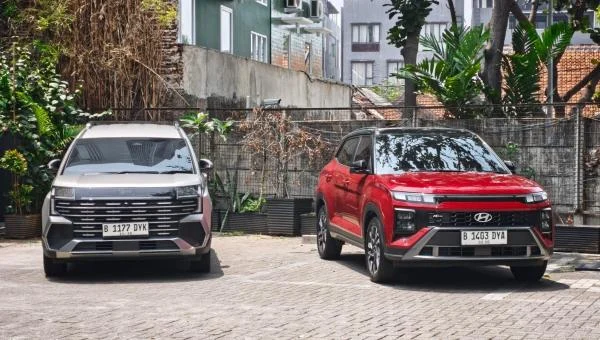
PT Hyundai Motors Indonesia (HMID) has officially announced a significant milestone in its fiscal performance, recording a 15 percent year-on-year (YoY) growth in retail sales for the third quarter of 2026. This performance stands as a testament to the company’s strategic resilience in a domestic automotive market that has become increasingly defined by intense competition, volatile economic indicators, and a rapidly shifting consumer base that is becoming more discerning regarding vehicle value and utility.
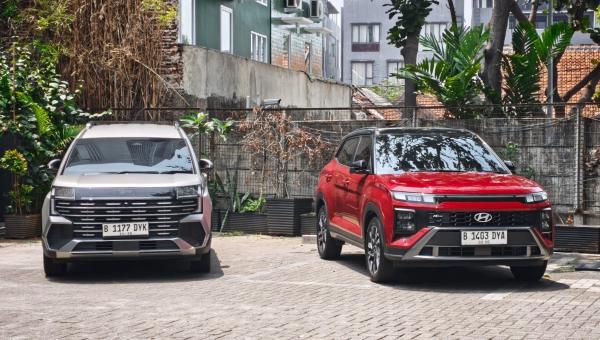
The primary driver behind this robust growth has been the sustained demand for vehicles equipped with internal combustion engines (ICE). Specifically, the Stargazer Cartenz model has emerged as a cornerstone of Hyundai’s sales portfolio, resonating with a demographic that prioritizes reliability, fuel efficiency, and practical design for the Indonesian road landscape. While Hyundai has been a global frontrunner in the transition toward electric vehicles (EVs), this quarterly data underscores the persistent importance of traditional propulsion systems in maintaining market share and securing long-term revenue streams within the archipelago.
A Strategic Pivot in a Competitive Landscape
The automotive sector in Indonesia throughout 2026 has been marked by a complex interplay of high interest rates, fluctuating commodity prices, and the introduction of new regional players. For many manufacturers, maintaining sales volumes has proved challenging. Hyundai’s ability to buck the trend and achieve double-digit growth suggests that the company’s local assembly strategy and its comprehensive distribution network are successfully insulating it from broader market stagnation.
By leveraging the Stargazer Cartenz, Hyundai has tapped into the lucrative Multi-Purpose Vehicle (MPV) segment, which remains the backbone of the Indonesian automotive market. The vehicle’s design, which emphasizes comfort for families and durability for long-distance travel, aligns perfectly with the evolving requirements of middle-class consumers who seek a balance between modern aesthetics and operational affordability.
Chronology of Performance and Market Engagement
The journey to this Q3 achievement did not happen in isolation. Since the beginning of the 2026 fiscal year, Hyundai has implemented a series of aggressive marketing and operational initiatives aimed at optimizing its supply chain and dealership footprint.
During the first quarter of 2026, Hyundai focused on inventory management, ensuring that local production facilities were aligned with projected demand. By the second quarter, the company intensified its "customer-first" outreach, focusing on digital integration and test-drive accessibility. This groundwork was crucial in preparing for the surge in activity seen in the third quarter. The 15 percent growth figure reflects the culmination of these efforts, proving that proactive inventory positioning—particularly for high-demand ICE models—can yield tangible financial results even during periods of broader economic caution.
Supporting Data and Market Analysis
When examining the broader Indonesian automotive landscape, the 15 percent growth reported by Hyundai is significant, as it outpaces the projected industry average for the same period. Industry analysts note that while the EV segment is expanding, it currently represents a niche portion of the total addressable market. Consequently, manufacturers who neglect their ICE offerings risk losing the mass-market volume that provides the cash flow necessary to fund future R&D in battery technology and autonomous systems.
Furthermore, consumer sentiment surveys conducted during the mid-2026 period indicate that "Total Cost of Ownership" (TCO) remains the primary driver of purchase decisions in Indonesia. The Stargazer Cartenz excels in this category, offering competitive maintenance costs and strong resale value—factors that have become increasingly critical as consumers exercise greater financial prudence. Hyundai’s success in communicating these benefits has translated directly into the quarterly sales figures reported this November.
Official Responses and Corporate Vision
President Director of PT Hyundai Motors Indonesia, Kenny Lee, addressed the company’s stakeholders during the formal announcement on Friday, November 6, 2026. He emphasized that the company’s strategy is not merely about moving units, but about fostering a sustainable ecosystem of brand loyalty.

"While the numbers are encouraging, our focus remains on the qualitative experience of our customers," Lee stated. "The market is shifting, and consumer needs are changing at an unprecedented pace. Our commitment is to maintain this momentum by continuing to bridge the gap between innovation and accessibility. We are listening to our customers, and we are adjusting our product mix to ensure that we are providing the right vehicle at the right time."
Lee further elaborated that the company’s growth is inextricably linked to its investment in the local Indonesian workforce and the expansion of its service centers. By ensuring that customers have easy access to spare parts and certified technical support, Hyundai has effectively reduced the "anxiety" often associated with owning a modern vehicle in a diverse geographical market.
Broadening the Scope: The Role of After-Sales Services
A critical component of Hyundai’s strategy, as highlighted by management, is the relentless focus on after-sales services. In an era where brand switching is common, Hyundai has invested heavily in creating a seamless ownership journey. This includes the development of mobile service units, a robust digital app for service booking, and a transparent pricing model for regular maintenance.
This approach serves as a defensive moat for the company. When consumers are confident that their vehicle will be serviced promptly and affordably, they are more likely to return to the same brand for their next purchase. This "customer lifecycle management" is arguably as important as the initial sale, and it explains why Hyundai’s retention rates have remained high throughout 2026.
Implications for the Future of the Automotive Industry
The data from the third quarter of 2026 serves as a bellwether for the Indonesian automotive industry. It suggests that the transition to sustainable mobility will be a gradual, multi-layered process. For the foreseeable future, the market will likely continue to demand a hybrid approach—one where efficient, high-tech ICE vehicles coexist with, and perhaps even subsidize, the growth of the EV sector.

Looking ahead to the final quarter of 2026 and into 2027, Hyundai is expected to maintain this dual-focus strategy. By continuing to refine the Stargazer series and potentially introducing new variants, the company aims to solidify its position as a top-tier player in the Indonesian market.
The implications for competitors are clear: price competition alone is insufficient to capture market share. Brands must prove their value through a combination of product reliability, extensive service infrastructure, and a deep understanding of the local cultural context. As Hyundai prepares for the upcoming year-end period—traditionally a time of high sales activity in Indonesia—the company’s current performance suggests it is well-positioned to capitalize on the holiday demand.
Conclusion: A Foundation for Continued Success
As PT Hyundai Motors Indonesia moves forward, the 15 percent growth achieved in Q3 2026 provides a stable foundation for further expansion. By balancing the immediate success of its ICE models with a clear long-term vision for technological innovation, Hyundai is demonstrating how a global brand can effectively localize its operations to meet the specific needs of a developing market.
The success of the Stargazer Cartenz is not just a reflection of a good product; it is a reflection of a company that has successfully synchronized its production, marketing, and service capabilities. As the year draws to a close, the industry will be watching closely to see if Hyundai can maintain this trajectory and set the pace for the rest of the automotive sector in the coming year. With a focus on customer satisfaction and a clear-eyed view of market realities, Hyundai remains one of the most compelling case studies in successful automotive expansion within Southeast Asia.
