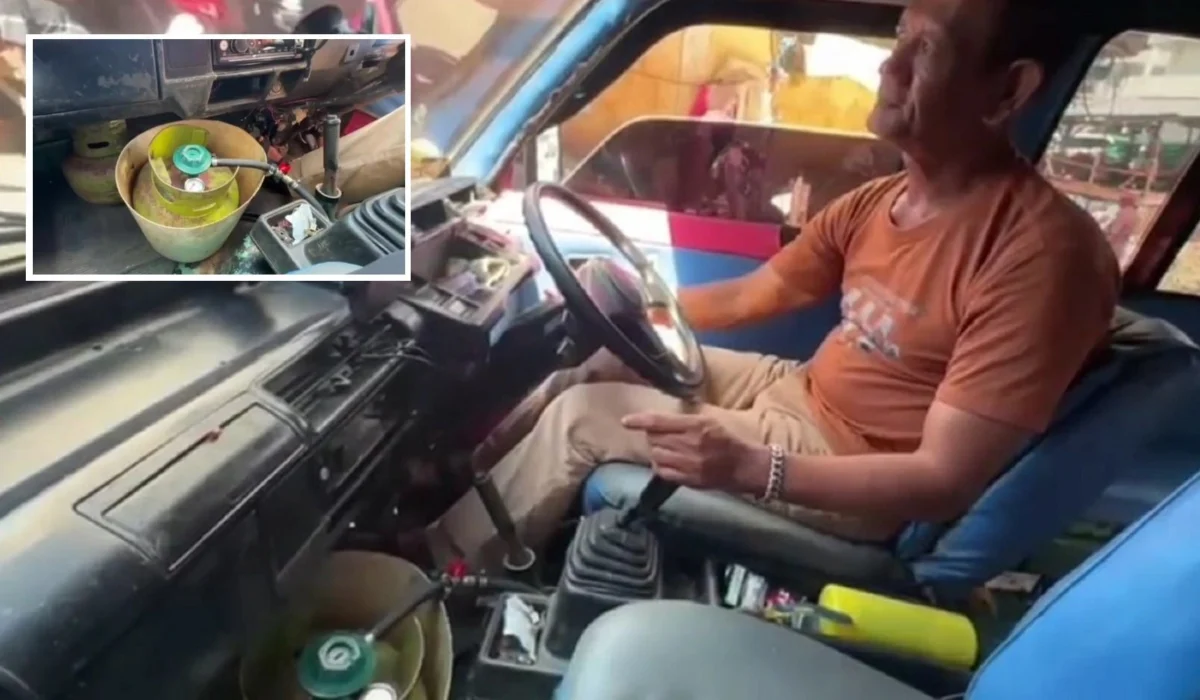
A remarkable innovation is emerging from Sukabumi, West Java, as a local public minivan, commonly known as an "angkot," has been successfully modified to run on Liquefied Petroleum Gas (LPG) instead of traditional gasoline. This pioneering initiative by a resourceful driver aims to mitigate the persistent challenge of escalating operational expenses, a significant concern for public transportation operators across the region. The modified angkot, serving the Sukaraja-Kota Sukabumi route, appears outwardly indistinguishable from its gasoline-powered counterparts, maintaining the same external appearance and engine sound, a testament to the seamless integration of the new fuel system.
The Ingenious Conversion
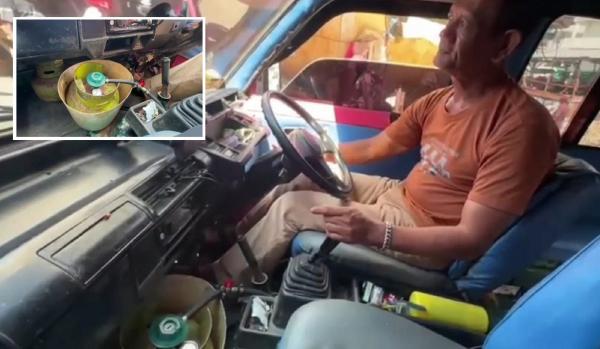
Beneath its familiar facade, this particular angkot is now powered by 3-kilogram LPG cylinders, colloquially referred to as "gas melon" or "melon gas" due to their distinctive green color and size. Two of these LPG tanks are strategically installed beneath the dashboard, acting as the primary energy source for the vehicle’s engine. This clever adaptation represents a significant departure from conventional fuel sources and highlights the driver’s ingenuity in seeking sustainable and cost-effective solutions.
The driver behind this innovative conversion, Hendra Irawan, revealed that his decision was influenced by observing the success of fellow drivers who had already adopted LPG as a fuel. Witnessing firsthand the proven economic benefits, Irawan felt compelled to replicate the experiment, driven by the need to maintain profitability in an increasingly challenging economic climate. He stated that the conversion has demonstrably led to substantial savings in daily operational expenditures.
Economic Imperatives Driving the Change
The surge in fuel prices, particularly for gasoline, has placed immense pressure on the livelihoods of angkot drivers. For many, these vehicles are not just a means of transport but their sole source of income. The escalating cost of fuel directly impacts their profit margins, making it difficult to sustain their businesses and provide for their families. This economic reality has spurred a wave of creative problem-solving within the public transport sector, with drivers actively seeking alternatives that can reduce their overheads without compromising service quality or safety.
Hendra Irawan’s adoption of LPG is a prime example of this adaptive spirit. While the exact cost savings can vary depending on driving patterns and fuel efficiency, anecdotal evidence from drivers who have made similar conversions suggests that LPG can be significantly cheaper than gasoline. In the case of Irawan’s angkot, daily operations consume two 3-kilogram LPG cylinders. Each cylinder is reportedly sufficient to cover approximately four round trips, a performance metric that underscores the economic viability of this alternative fuel source. This translates into a noticeable reduction in daily fuel expenditure, allowing drivers to retain a larger portion of their earnings.
Background and Context of Public Transport in Sukabumi
Public transportation in Sukabumi, as in many Indonesian cities, relies heavily on angkots. These minibuses are an integral part of the urban landscape, providing affordable and accessible mobility for a wide segment of the population. The routes are typically fixed, connecting various residential areas with commercial centers, schools, and other key destinations. The operational model often involves individual drivers or small cooperatives managing a fleet of vehicles.
The sustainability of this sector is closely tied to the price of fuel. Fluctuations in global oil prices and domestic fuel subsidies can have a direct and immediate impact on the profitability of angkot operations. Historically, drivers have faced challenges such as fare resistance from passengers when attempting to pass on increased costs, as well as competition from ride-sharing services and private vehicles. This has created a continuous need for efficiency improvements and cost-reduction strategies.
The exploration of alternative fuels is not entirely new in the Indonesian context. Discussions around natural gas vehicles and biofuels have been ongoing for years, often driven by government initiatives to promote cleaner energy and reduce reliance on imported fossil fuels. However, the practical implementation at the grassroots level, particularly within the informal sector like angkot operations, often depends on the ingenuity and financial capacity of individual drivers or small groups.

The LPG Conversion: Technical Aspects and Safety Considerations
The modification of a gasoline-powered engine to run on LPG typically involves the installation of an LPG conversion kit. This kit includes components such as an LPG tank, a regulator, a mixer or injector system, and associated piping and safety valves. The system is designed to allow the engine to seamlessly switch between gasoline and LPG, or in some cases, run exclusively on LPG.
For Hendra Irawan’s angkot, the installation of two 3-kilogram LPG cylinders under the dashboard suggests a dual-tank system, potentially offering a combined capacity that extends the vehicle’s range between refueling. The placement of the tanks is crucial for safety and weight distribution. Regulatory bodies often have specific guidelines regarding the installation of LPG systems in vehicles to ensure compliance with safety standards.
Safety is paramount when dealing with any fuel conversion, especially one involving a potentially flammable gas. Reputable conversion workshops adhere to strict safety protocols, ensuring that all components are properly installed, leak-tested, and integrated with the vehicle’s existing safety systems. The use of certified components and the expertise of trained technicians are critical to minimizing risks. While LPG is flammable, it is generally considered a safer fuel than gasoline when handled and stored correctly due to its lower volatility.
Reactions and Potential Implications
The viral nature of this innovation has sparked considerable interest and discussion. While direct official statements from transport authorities in Sukabumi regarding this specific conversion were not immediately available, such initiatives often receive a mixed response. On one hand, authorities may view it as a positive step towards promoting fuel efficiency and potentially reducing emissions. On the other hand, there may be concerns about ensuring that the conversions meet safety and environmental regulations, and that the long-term implications for vehicle maintenance and roadworthiness are properly assessed.

If successful and widely adopted, this LPG conversion trend could have several significant implications:
- Economic Relief for Drivers: The most immediate impact would be a substantial reduction in operating costs for angkot drivers, leading to improved financial stability and potentially higher earnings.
- Potential Fare Stabilization: With reduced fuel expenses, drivers might be less inclined to increase fares, providing a much-needed reprieve for commuters who are also grappling with rising living costs.
- Environmental Benefits: LPG generally burns cleaner than gasoline, producing fewer harmful emissions like carbon monoxide and unburned hydrocarbons. A widespread shift could contribute to improved air quality in urban areas.
- Reduced Reliance on Gasoline: Increased adoption of LPG could lead to a marginal decrease in the overall demand for gasoline, potentially impacting local fuel consumption patterns.
- Catalyst for Further Innovation: This successful grassroots innovation could inspire other drivers and transport operators to explore similar cost-saving and sustainable fuel alternatives. It may also encourage local mechanics and workshops to develop expertise in LPG conversion services.
- Policy Considerations: The emergence of such practical, low-cost solutions might prompt local governments and transportation agencies to review their policies on alternative fuels and potentially offer support or incentives for drivers who adopt cleaner and more economical technologies.
Challenges and Future Outlook
Despite the promising aspects, challenges remain. The availability and price stability of LPG are crucial factors. While currently more affordable than gasoline, fluctuations in LPG prices could impact the long-term viability of this solution. Furthermore, the availability of qualified technicians for conversions and maintenance is essential for ensuring the safety and reliability of these modified vehicles.
The long-term durability of engines running on LPG also needs to be carefully monitored. While generally compatible, some components may experience different wear rates compared to gasoline operation. Regular and specialized maintenance will be key to ensuring the longevity of the converted vehicles.
The story of Hendra Irawan’s LPG-powered angkot is a compelling narrative of resourcefulness and adaptation in the face of economic adversity. It underscores the critical role of innovation at the local level in addressing systemic challenges. As this trend potentially gains momentum, it will be important for stakeholders, including drivers, mechanics, and authorities, to collaborate to ensure that these advancements are safe, sustainable, and ultimately beneficial for the entire community. The success of this Sukabumi angkot serves as a potent reminder that solutions to complex problems can often be found in the most unexpected, and ingenious, places. The journey of this modified vehicle from a local curiosity to a potential model for others highlights the dynamic and evolving nature of public transportation in Indonesia, driven by the persistent pursuit of efficiency and economic resilience.