JAKARTA – A recent reunion of the popular Indonesian girl group Princess, spearheaded by its founder Kevin Aprilio, has unexpectedly ignited public discussion and sparked controversy surrounding the exclusion of former member Elma Agustin. While the reunion itself, aimed at rekindling the nostalgia for the early 2010s pop scene, garnered significant attention, the absence of Elma has fueled a flurry of speculation across social media platforms, particularly TikTok, where the former vocalist herself has opted to address the issue.
The resurgence of Princess, a group that once dominated Indonesian airwaves with its catchy tunes and synchronized performances, was anticipated by many fans eager to relive their formative musical experiences. However, the narrative surrounding this comeback has been overshadowed by questions regarding Elma Agustin’s non-participation. Netizens, in their characteristic fashion, have actively debated the reasons behind her exclusion, prompting Elma to break her silence and offer her perspective.
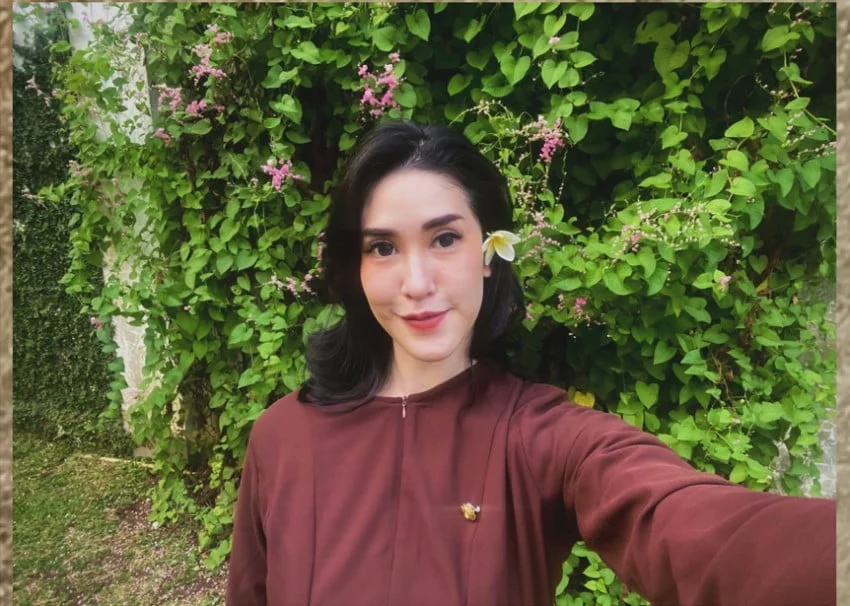
Elma Agustin, who was an integral part of Princess during its initial years, revealed in a candid TikTok video that she had not received an invitation to participate in the reunion. She stated that she was merely informed of her non-inclusion without any detailed explanation or justification for the decision. This lack of transparency, more than the exclusion itself, appears to have been the source of her discontent.
The Communication Conundrum
"What disappointed me more was the communication," Elma articulated in her TikTok video, her words resonating with a palpable sense of hurt. "They have my phone number, we have a group chat together, yet they spoke to me as if we were strangers." This sentiment highlights a perceived breach of camaraderie and a departure from the close-knit relationships often forged within musical ensembles. The implication is that even if circumstances dictated her exclusion, a more personal and direct approach would have been more appropriate, given their shared history.
Elma’s recollection of her journey with Princess underscores the depth of her connection to the group. She fondly remembered the group’s inception, implying a significant personal investment in its formation and early success. This suggests that her involvement was not merely a professional engagement but a chapter of her life deeply intertwined with the group’s identity. Her words hint at a shared struggle and a collective effort in building the Princess brand from the ground up, making her subsequent exclusion feel like a dismissal of that shared past.
Princess: A Look Back at a Pop Phenomenon
To understand the context of this reunion and Elma’s exclusion, it is crucial to revisit the rise of Princess. Formed by renowned musician and producer Kevin Aprilio, Princess burst onto the Indonesian music scene in 2011. The group was initially composed of five members: Elma Agustin, Danita Vanda Sahita, Alika Islamadina, Nina Septiani, and Regina Poetiray. Their debut single, "Sakitnya Tuh Di Sini," quickly became an anthem, propelling them to national fame.
Princess was characterized by its youthful energy, fashionable aesthetics, and upbeat pop music, which resonated strongly with the adolescent demographic. Their music often explored themes of love, friendship, and the everyday experiences of young women. The group’s synchronized choreography and vibrant stage presence made them a popular choice for television appearances, concerts, and endorsements.
The group’s trajectory, however, was not without its internal shifts. Over time, members have come and gone, a common phenomenon in the highly competitive entertainment industry. Alika Islamadina, for instance, departed in 2014 to pursue a solo career, a move that was met with understanding and support from both the group and their fans. These transitions, when handled with transparency and respect, often serve to strengthen the group’s narrative rather than detract from it.
The Current Reunion and Its Unforeseen Fallout
The recent announcement of Princess’s reunion, reportedly featuring some of the original members and led by Kevin Aprilio, was met with a mix of excitement and curiosity. Social media buzzed with discussions about which members would participate and what new material or performances fans could expect. However, the narrative quickly shifted when Elma Agustin’s absence became a focal point of fan inquiry.
Kevin Aprilio, known for his prolific work in the Indonesian music industry, has been instrumental in guiding the careers of several pop groups, including Princess and 3 Composer. His role as the founder and mentor of Princess positions him as a key figure in any reunion effort. While this article does not include direct statements from Kevin Aprilio regarding Elma’s exclusion, it is logical to infer that any decision regarding the reunion’s lineup would have involved his consultation and approval.
The "communication breakdown" Elma alluded to suggests a potential disconnect between the group’s current management, or perhaps Kevin Aprilio himself, and the former members. In the digital age, where social media plays a significant role in fan engagement and artist communication, a perceived lack of personal outreach can have a substantial impact on public perception.
Broader Implications for Group Dynamics and Fan Trust
Elma Agustin’s experience raises pertinent questions about how established musical groups manage member transitions and reunions, especially after periods of hiatus. The entertainment industry, while often characterized by its transient nature, also thrives on the loyalty and emotional investment of its fanbase. When a beloved former member is conspicuously absent from a reunion, it can lead to disappointment and a sense of unease among fans who have followed the group’s journey.
The incident serves as a case study in the importance of transparent and empathetic communication within artist collectives. Even in professional settings, personal relationships and shared history hold significant weight. For fans who have grown up with the music and the personalities of these artists, the perceived lack of respect for a former member can tarnish the nostalgic appeal of a reunion.
Furthermore, the ease with which information, or in this case, a lack thereof, can spread through social media platforms like TikTok means that artists and management must be particularly mindful of their public messaging. Elma’s willingness to share her perspective, even if it means voicing disappointment, has allowed for a more nuanced understanding of the situation beyond simple speculation.
The public’s fascination with Princess and its former members underscores the enduring impact of pop music on Indonesian culture. While the specifics of Elma’s exclusion remain officially unelaborated upon by the reunion organizers, her candid remarks have provided a crucial insight into the human element behind the spectacle. As the music industry continues to evolve, the way in which artist reunions are conceptualized and executed will undoubtedly be influenced by such experiences, emphasizing the enduring value of open communication and respect for past contributions. The future of Princess’s revival, and indeed any similar ventures, will likely hinge on its ability to navigate these interpersonal dynamics with a greater degree of sensitivity and transparency.