The political landscape in Indonesia witnessed a significant surge in civic engagement on October 28, 2026, as various segments of society, particularly university students and labor organizations, staged coordinated demonstrations across Jakarta and several major provincial capitals. The protests, which saw thousands of participants converging on key public spaces, including the iconic Bundaran HI in Jakarta, were met with a measured response from the government. Coordinating Minister for Political and Security Affairs, Jenderal TNI (Purn) Dudung Abdurachman, issued a formal statement emphasizing the administration’s commitment to upholding constitutional rights while simultaneously urging participants to adhere to the legal frameworks governing public assembly.
The Context of the October 28 Demonstrations
The timing of the protests, coinciding with the anniversary of the Youth Pledge (Sumpah Pemuda), carried symbolic weight. Historical data indicates that October 28 has long been a focal point for student-led activism in Indonesia, serving as a platform to voice concerns regarding governance, economic policy, and legislative oversight. In 2026, the grievances centered primarily on perceived shifts in the national legislative agenda and the implementation of recent economic reforms that critics argue have disproportionately affected the middle and lower-income demographics.
In Jakarta, the mobilization began in the early morning hours, with groups gathering at designated assembly points before marching toward central government landmarks. Observers noted that participants utilized the "three-finger salute," a gesture that has become synonymous with movements calling for democratic integrity and the protection of civil liberties in contemporary Indonesian discourse.
Chronology of the Day’s Events
The day’s events unfolded in a series of planned phases, beginning with peaceful marches through major thoroughfares.
- 08:00 WIB: Demonstrators began congregating at university campuses and meeting points in satellite cities surrounding Jakarta.
- 10:30 WIB: The first major groups arrived at the Bundaran HI area. Law enforcement agencies, including the Jakarta Metropolitan Police, implemented traffic management protocols to accommodate the crowds while ensuring the flow of essential services.
- 13:00 WIB: Peak attendance was recorded, with the protest dynamic shifting from marching to stationary speeches and musical performances aimed at drawing attention to specific policy demands.
- 15:00 WIB: Representatives of the student unions attempted to submit a formal list of grievances to the relevant government offices.
- 17:30 WIB: The crowds began to disperse in accordance with local ordinances governing the time limits for public demonstrations.
Government Stance: Balancing Rights and Order
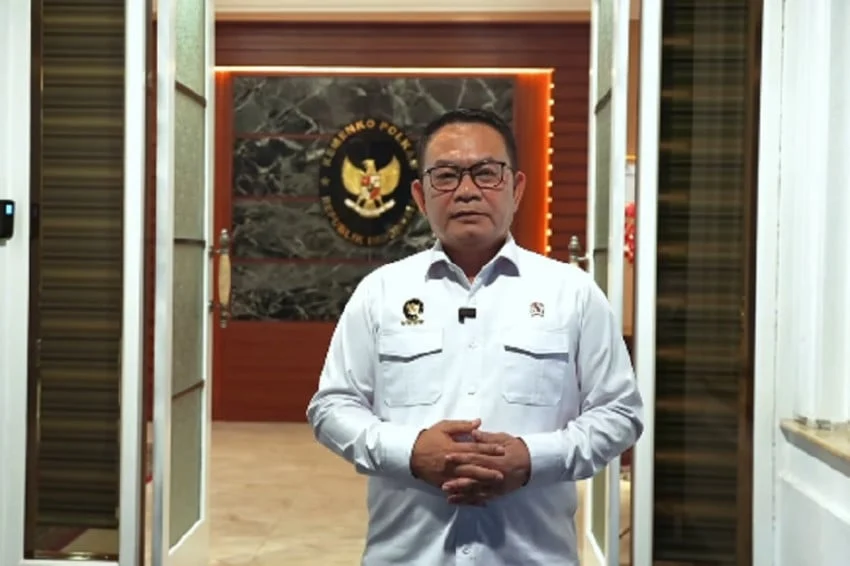
Coordinating Minister Dudung Abdurachman’s address, delivered via a video statement released through the official Polkam RI channels, served as the primary government response to the day’s unrest. Addressing the public, Dudung underscored that the government does not view dissent as an obstacle to progress, but rather as an essential component of a functioning democracy.
"I wish to reiterate that the expression of opinion is a constitutional right afforded to every citizen," Dudung stated. "The government respects the aspirations, criticisms, and input provided by the public as a vital element of our democratic life."
However, this endorsement of free speech was accompanied by a firm reminder of the legal obligations imposed by Law Number 9 of 1998 concerning the Freedom to Express Opinions in Public. This legislation mandates that while individuals have the right to voice their concerns, they must do so in a manner that respects public order, the rights of other citizens, and the prevailing national laws. Dudung’s remarks were aimed at de-escalating potential tensions and preventing the peaceful demonstrations from devolving into civil disorder or property damage.
Analysis of Legislative and Societal Implications
The events of October 28, 2026, provide a window into the current state of the Indonesian social contract. Analysts note that the uptick in public demonstrations reflects a growing sophistication in how civil society engages with the state. Unlike earlier eras where protests were often reactive, current movements demonstrate a higher degree of coordination and a clearer articulation of specific policy critiques.
From an economic perspective, the protests highlight the challenges of balancing rapid infrastructure development with the immediate cost-of-living pressures facing the populace. The 2026 national budget, which has been under scrutiny, includes provisions for major capital projects that many protesters believe should be redirected toward subsidies for essential goods and social safety nets.
Furthermore, the government’s reaction—marked by a focus on "constructive dialogue" rather than immediate suppression—suggests a strategic shift in security policy. By acknowledging the legitimacy of the protests, the administration aims to maintain institutional stability while preventing the alienation of younger generations, who constitute a significant portion of the nation’s demographic dividend.
Supporting Data and Stakeholder Perspectives
Supporting the government’s appeal for calm, law enforcement officials reported that the vast majority of the day’s activities remained within the bounds of the law. While there were localized traffic disruptions, there were no widespread reports of violence or significant destruction of public infrastructure.
Academic observers have pointed out that the "three-finger salute" observed at the demonstrations is not merely a symbolic gesture but represents a broader movement seeking transparency in the judiciary and the protection of the electoral process. The persistence of these demands suggests that the government will likely face continued pressure in the coming months, necessitating a more comprehensive approach to public consultation.
Civil society organizations have echoed the Minister’s call for "peaceful and responsible" conduct, though they have also urged the government to move beyond rhetorical support. Leaders of the student groups involved in the October 28 march stated that their participation was driven by a need for direct engagement with policymakers. They have requested that the Coordinating Ministry for Political and Security Affairs establish a formal committee to review the specific policy points raised during the demonstration.
The Role of Communication in Modern Governance
The choice of communication platform—a digital video release—highlights the government’s recognition of the role social media plays in the mobilization of protesters. By utilizing platforms like Instagram, the government is attempting to bridge the communication gap between policymakers and the public.
However, the efficacy of this strategy depends on the follow-through. For the government to successfully channel these public sentiments into policy, experts suggest that there must be tangible outcomes from the dialogue. If the government fails to address the substantive content of the critiques, the frequency and intensity of future protests may increase, potentially straining the resources of security services tasked with maintaining public order.
Future Outlook and Policy Trajectory
As the dust settles on the events of October 28, the focus shifts to the legislative response. Observers expect that the government will invite representatives from the protesting groups for a series of round-table discussions. This approach, if executed transparently, could mitigate the risk of further polarization.
In his final comments, Minister Dudung emphasized the necessity of mutual respect: "Deliver your criticisms firmly, but remain polite. Fight for the interests of the people without harming the interests of others." This sentiment encapsulates the administration’s current strategy: fostering a democratic environment where dissent is permitted, provided it occurs within the framework of a stable, law-abiding society.
Ultimately, the October 28 protests serve as a barometer for Indonesia’s democratic health. The government’s ability to navigate these demands without compromising its reform agenda will be a defining feature of the 2026 political calendar. With the public increasingly sensitized to policy developments, the government’s capacity for agility and responsiveness will be tested in the weeks and months to follow. The challenge remains to harmonize the diverse aspirations of a vibrant, outspoken populace with the structural requirements of effective national governance.