JAKARTA — Indonesia’s men’s national football team head coach John Herdman has firmly rejected any distinction between locally-born players and members of the diaspora within the national squad, declaring that every individual wearing the Garuda jersey stands on equal footing under a unified national identity. The strong stance from the tactician came in the wake of Indonesia’s clinical 2–0 victory over Singapore in the opening fixture of Group A at the FIFA ASEAN Cup 2026. The match, hosted at the iconic Gelora Bung Karno Main Stadium (SUGBK) in Jakarta on Friday, September 25, 2026, served as a significant milestone for the tournament and sparked vital discussions regarding the ongoing evolution and demographics of Southeast Asian international football.
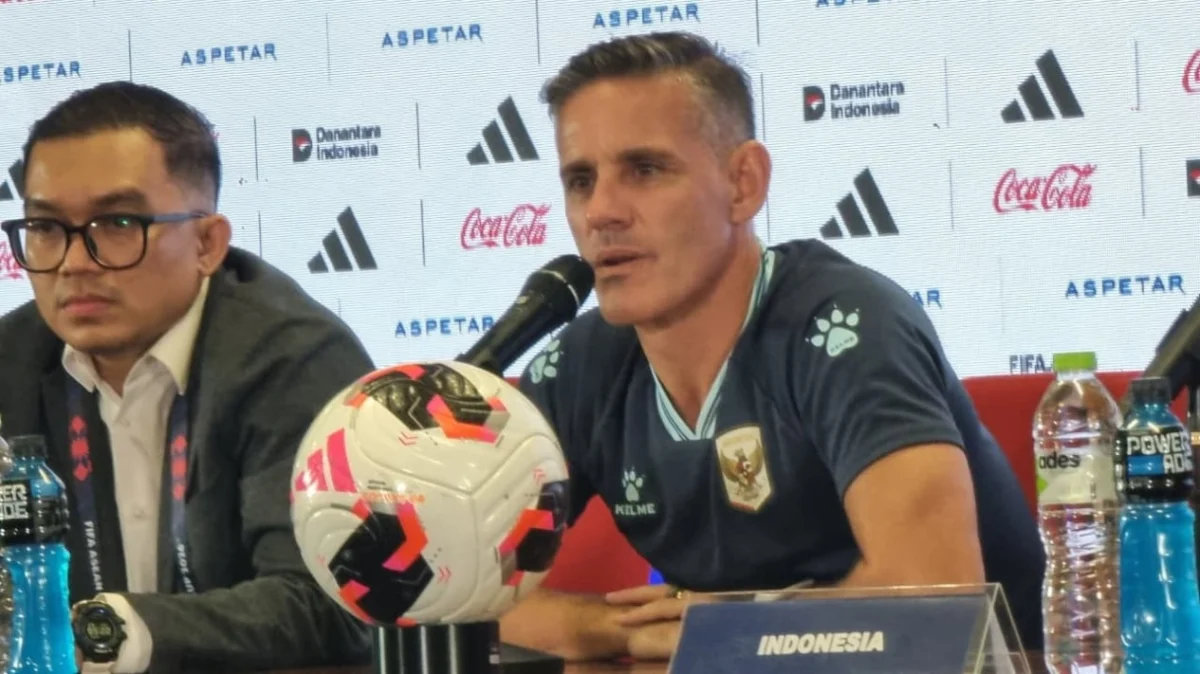
Speaking to the media during the post-match press conference in the early hours of Saturday, September 26, 2026, Herdman addressed lingering public and media debates regarding the composition of his starting lineup. Notably, the starting eleven fielded against Singapore did not feature any locally-born domestic league players, a statistic that has frequently fueled discussions across local sports talk shows and digital fan forums. Rather than dodging the topic, the experienced head coach confronted the issue head-on, demanding a fundamental shift in how supporters and pundits perceive the modern Indonesian national team roster.
"There is no such thing as a local player. There is no difference. There is no local, there is no diaspora. We are all Indonesians," Herdman stated emphatically to the assembled journalists.
This philosophy, according to the British-born manager, is not merely a rhetorical device but a foundational culture that must be embraced by everyone associated with the national setup. Herdman stressed that any player chosen to represent the nation carries the exact same burden of expectation, pride, and responsibility when stepping onto the pitch.
A Unified Squad Built on Commitment and Sacrifice
The discussion surrounding player backgrounds intensified after observers pointed out that the opening match’s primary starting formation comprised entirely players of Indonesian descent who have developed their careers primarily in competitive European and international leagues. When asked about this specific lineup construction, Herdman defended his selection based on merit, psychological readiness, and unwavering dedication to the national flag.
"This is a lineup of players who want to represent this country, who are willing to board long-haul flights, put their bodies on the line in fifty-fifty tackles, and play with sincerity, passion, and heart for the fans," Herdman explained.
The manager emphasized that national team representation transcends geographical birthplaces or where a player developed their footballing education. He pointed out that the litmus test for a player’s loyalty and commitment should never rest on their ancestral lineage or passport history, but rather on their visible effort and desire during the heat of competition.
"You defend the flag, you sing the national anthem, and we stand together every single moment. This is the mindset we must change," Herdman urged. "These individuals are Indonesians now. They love playing for you."
To further illustrate his point, Herdman offered a pragmatic framework for evaluating player commitment. He argued that questions regarding a player’s dedication or emotional attachment to a national team only become valid under very specific, performance-based circumstances, such as a visible lack of effort on the pitch.
"When they start hesitating in 50-50 tackles, when they stop running during a match, that is when you can ask that question," Herdman remarked. Throughout the 90 minutes against Singapore, however, the coach noted that no such doubts could be raised, as every player on the pitch displayed relentless intensity and tactical discipline.
Match Chronology: How Indonesia Secured Victory Over Singapore
The Group A encounter at the Gelora Bung Karno Main Stadium delivered high drama and strategic execution, setting a positive tone for Indonesia’s campaign in the FIFA ASEAN Cup 2026. Playing in front of a roaring home crowd of tens of thousands of passionate Garuda supporters, Indonesia asserted dominance from the opening whistle.
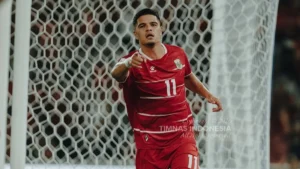
The breakthrough arrived early in the first half. In the 13th minute, a swift attacking transition orchestrated down the right flank caught the Singaporean defensive line out of position. Winger Luke Vickery delivered a precise, low-driven cross into the penalty box. Forward Ragnar Oratmangoen timed his run to perfection, meeting the cross cleanly and slotting the ball past the opposition goalkeeper to break the deadlock and send the stadium into raptures. The opening goal gave Indonesia control of the tempo, allowing Herdman’s side to dictate the flow of the game through structured possession and disciplined defensive blocks.
Singapore attempted to mount a comeback in the second half, introducing fresh tactical changes and pushing numbers forward to find an equalizer. However, the Indonesian defensive structure, marshalled effectively from the back, neutralized most threats before they could test the goalkeeper.
As the match entered the final quarter, Indonesia sealed the three points with a second goal. In the 74th minute, persistent pressure inside the penalty area resulted in a defensive foul committed against an Indonesian attacker, prompting the match referee to point immediately to the spot. Ole Romeny stepped up to take the resulting penalty kick. Showing immense composure under extreme pressure, Romeny struck a firm, accurate shot into the back of the net, doubling Indonesia’s lead to 2–0.
The match concluded without further major scoring incidents, securing a clean sheet and a comfortable opening victory for the hosts in the regional tournament.
Context and Background: The Evolution of the Indonesian National Team
The debate surrounding diaspora players—often colloquially referred to in Indonesian football discourse as pemain keturunan (players of descent)—has been a central theme in the modern renaissance of the national team. Over recent years, the Football Association of Indonesia (PSSI) has aggressively pursued dual-national and foreign-born players with Indonesian heritage playing in competitive leagues across the Netherlands, Belgium, Italy, and other parts of Europe.
This strategic recruitment drive has fundamentally transformed the competitive ceiling of the senior men’s team. Historically, the national team relied almost exclusively on talents produced by the domestic Liga 1 competition. While domestic leagues continue to serve as a vital talent pipeline, the integration of players with top-tier European tactical and physical training has elevated FIFA rankings, improved technical standards, and restored regional dominance.
However, this transition has occasionally invited friction among traditionalist fans and analysts who debate the balance between domestic development and the immediate success brought by diaspora call-ups. Herdman’s recent press conference comments represent a direct, authoritative attempt by the coaching staff to bridge this psychological divide and foster absolute harmony within the football ecosystem. By declaring that all squad members belong to a single collective identity, the coaching staff aims to insulate the players from external identity politics and media narratives, allowing them to focus entirely on athletic performance.
Broader Implications and Strategic Outlook for the FIFA ASEAN Cup 2026
The victory over Singapore provides more than just three points; it establishes early momentum in Group A of the FIFA ASEAN Cup 2026. For John Herdman, who took charge of the Garuda squad with high expectations from both the federation and millions of fans, maintaining squad cohesion and cultural unity is paramount for navigating a demanding tournament schedule.
From a sociological and sporting perspective, Herdman’s public statements reflect a modern, globalized approach to international sports management. In an era where national teams across the globe increasingly draw from diaspora populations—ranging from African nations utilizing European-born talents to Asian football powers integrating dual-nationals—managing the psychological integration of these players is critical.
The emphasis on shared values—such as willingness to endure physical challenges, respect for the national anthem, and collective accountability—redefines patriotism in the context of modern athletic labor. Rather than measuring national identity purely by geographic birthplace or upbringing, the philosophy championed by Herdman measures it by professional sacrifice and emotional investment in the collective enterprise.
As Indonesia prepares for its upcoming fixtures in the group stage of the FIFA ASEAN Cup 2026, the psychological impact of this unified locker room culture will likely prove as valuable as tactical preparations. With the pressure of a home tournament resting on their shoulders, the squad under Herdman’s leadership appears focused on breaking down internal divisions, uniting behind a single banner, and delivering results that satisfy the immense expectations of Indonesian football enthusiasts worldwide.