Persib Bandung demonstrated exceptional resilience and tactical discipline on Sunday, September 20, 2026, securing a hard-fought 2-1 comeback victory against Persijap Jepara in the Super League 2026/2027 season. The high-stakes encounter, hosted at the Gelora Bumi Kartini Stadium in Jepara, tested the physical and mental limits of the visiting squad, who arrived at the venue under grueling conditions characterized by extensive travel demands and a remarkably tight fixture schedule.
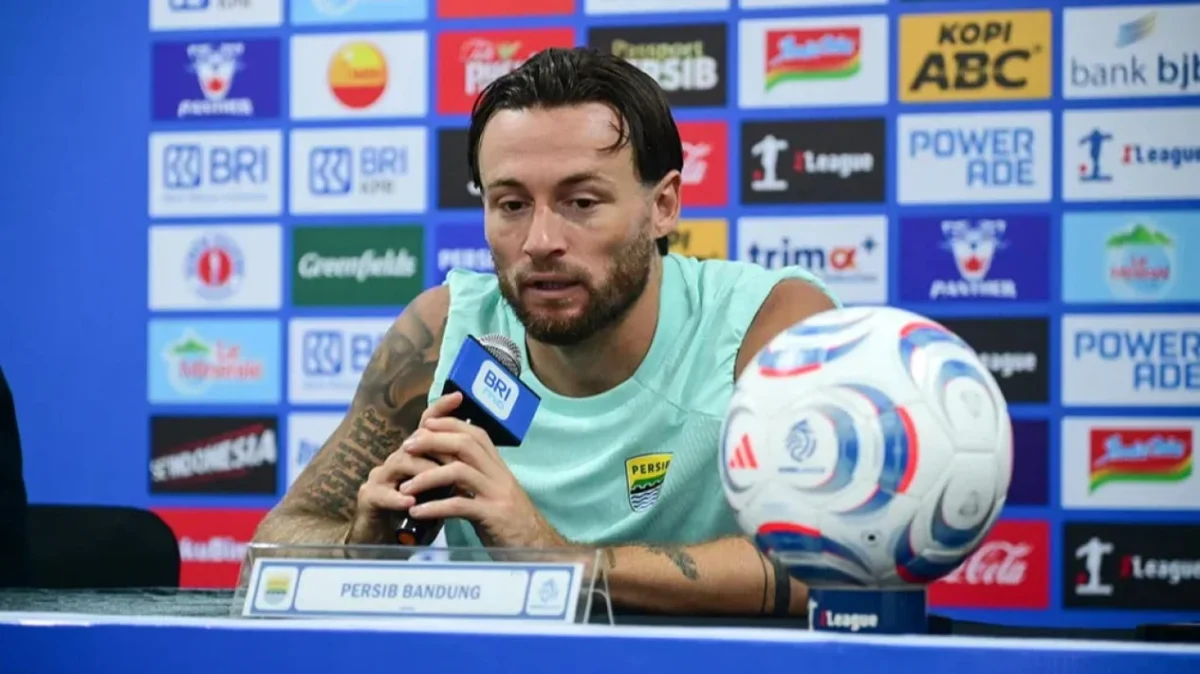
Following the final whistle, Persib captain Marc Klok addressed the media, offering candid insights into the multifaceted challenges his team faced leading up to the match. While celebrating a vital three points that broke a historically difficult winless streak against Persijap from the previous season, Klok drew attention to the logistical hurdles, fatigue factors, and substandard infrastructure that complicated the club’s preparations. Despite these obstacles, the Dutch-born midfielder expressed immense pride in his teammates’ professional attitude and unwavering work ethic.
The victory elevates Persib’s standing in the early stages of the Super League campaign, but the post-match discourse quickly pivoted toward the broader systemic issues concerning player welfare, away-match facilities, and the commendable display of sportsmanship demonstrated by both sets of supporters inside the stadium.
A Grueling Build-Up and Logistical Hurdles
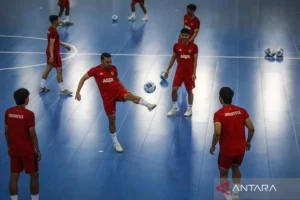
The journey to Jepara was far from routine for the reigning contenders of Indonesian football. Maung Bandung entered the fixture carrying the cumulative fatigue of a demanding international and domestic schedule. Notably, the team had recently returned from a high-profile agenda in South Korea, involving intense training sessions and logistical transitions across multiple time zones.
This international assignment significantly compressed Persib’s preparation window for the Super League clash. Upon returning to Indonesia, the squad faced an immediate transit to Central Java, navigating domestic travel logistics that severely limited recovery time. Speaking to reporters after the match, Klok emphasized that the combination of long-distance travel, a congested calendar, and less-than-ideal facility standards made the fixture one of the toughest psychological and physical tests of the early season.
"Long time we could not win here—last season Persib couldn’t win against Persijap—so I am very proud of the team’s performance," Klok told journalists. "Even though we are tired, even though the travel was long, even though the facilities were lacking, we came here with a very good attitude and very hard work."
While Klok’s remarks briefly highlighted concerns regarding the infrastructure at the venue, he refrained from publicly attacking specific officials or stadium management, choosing instead to channel his focus onto the team’s ability to adapt and overcome adversity on the pitch.
Match Chronology: Turning the Tide at Gelora Bumi Kartini
The contest at Gelora Bumi Kartini Stadium began in favor of the hosts, who capitalized on home-field advantage and a vibrant crowd to pressure the visiting defense. Persijap Jepara set an aggressive tempo from the opening whistle, testing Persib’s defensive organization and capitalizing on the visible heavy legs of the away side.
The breakthrough for the hosts arrived in the first half when Pirulo stepped up to convert a high-pressure penalty kick, sending the home supporters into raptures and placing Persib in an unfamiliar and uncomfortable deficit. The goal forced Maung Bandung to alter their tactical approach, shifting higher up the pitch and taking control of the midfield battle.
The tactical response bore fruit in the second half. Midfield maestro Thom Haye orchestrated the equalizer, utilizing his vision and composure to unlock the Persijap defensive block before firing past the goalkeeper. The goal galvanized the visitors, who maintained sustained pressure in search of a winner.
The decisive moment arrived courtesy of Uilliam Barros. Capitalizing on a swift attacking transition, Barros found space inside the penalty area to slot home the second goal, completing a dramatic turnaround for the visiting side. Despite late surges and tactical substitutions from Persijap, Persib managed to absorb the pressure and protect their 2-1 lead until the final whistle.
Reflecting on the final scoreline, Klok acknowledged that while a narrow victory brings immense relief, the manner in which the team secured the result held greater significance than the statistics alone.
"A 2-1 scoreline makes me happy today, but at the end of the day, I am most satisfied with the character we showed to turn things around," Klok noted.
Historical Context and Rivalry Dynamics
The fixture carried added significance due to the historical difficulty Persib has encountered when playing away against Persijap. In the previous 2025/2026 domestic campaign, Maung Bandung struggled to assert dominance in Jepara, dropping crucial points in encounters that exposed vulnerabilities on the road. Breaking this winless drought marks a psychological milestone for the squad as they navigate a grueling multi-front season.
Furthermore, the match served as a historic milestone for the Super League season regarding supporter integration. The fixture in Jepara marked the first away match of the 2026/2027 campaign where Bobotoh—Persib’s passionate fan base—were officially permitted to travel and attend in person.
In a display of modern football culture and civil stadium coexistence, visiting Bobotoh fans were seated in designated sections directly adjacent to home supporters. Throughout the 90 minutes, both groups maintained an atmosphere of intense, positive encouragement for their respective teams without crossing the threshold into hostility.
Klok was quick to offer high praise for the travelling supporters, acknowledging their crucial role in boosting the players’ morale during a physically demanding fixture.
"Appreciation is the right thing because today was very correct. They came with a very good attitude, a very good mindset, and supported us for the full 90 minutes," Klok stated.
Implications for Player Welfare and League Infrastructure
Klok’s post-match commentary regarding inadequate facilities and grueling schedules has reignited a broader conversation within Indonesian football circles concerning player welfare, logistical standardization, and infrastructure investments across the Super League.
As clubs increasingly balance domestic league obligations with continental commitments and international travel, the strain on player fitness has reached critical levels. Sports scientists and conditioning coaches frequently warn that compacted fixture lists, combined with sub-optimal recovery facilities at away venues, significantly elevate the risk of soft-tissue injuries and long-term fatigue-related complications.
While the Football Association of Indonesia (PSSI) and league operators have introduced various regulatory updates to professionalize the Super League, incidents highlighting substandard stadium infrastructure—such as pitch degradation, inadequate locker room amenities, and recovery equipment shortfalls—continue to surface during away fixtures.
For top-tier clubs like Persib Bandung, managing these logistical hurdles requires substantial investment in sports science, nutrition, and recovery protocols. However, players and coaching staff argue that structural improvements at the club level must be met by league-wide infrastructure mandates to ensure a level playing field and safeguard athlete health.
Broader Impact on the Super League Standings
Securing three points away from home against a resilient opponent like Persijap Jepara provides Persib Bandung with vital momentum as the Super League 2026/2027 season enters its formative phase. Early-season consistency on the road has traditionally proven to be the decisive factor in championship races, separating title contenders from mid-table clubs.
By overcoming physical exhaustion, logistical barriers, and a hostile environment, Persib has signaled its championship credentials. The integration of high-profile acquisitions like Thom Haye alongside established leaders like Marc Klok gives the squad the tactical flexibility needed to navigate dense fixture lists.
Looking ahead, Persib will face the challenge of managing recovery and rotation as they return home to host upcoming fixtures. The technical staff will undoubtedly utilize the days following the Jepara trip to focus on rehabilitation, mitigating the physical toll of international travel and dense domestic scheduling.
Ultimately, Sunday’s match at Gelora Bumi Kartini Stadium will be remembered not only for the tactical masterclass that secured a 2-1 comeback victory, but also as a testament to the mental fortitude of a squad capable of overcoming external adversity in the pursuit of domestic glory.