GENEVA — The global trading system has officially reached a critical juncture, according to a stark warning issued by the World Trade Organization (WTO). In its comprehensive annual assessment, the Geneva-based international body cautioned that the architecture of international commerce is fraying under the weight of mounting geopolitical tensions, widespread state intervention, and rapid technological transformation. Without immediate and sweeping structural reforms, the WTO warns that the global economy risks sliding into severe fragmentation—a scenario that could permanently depress worldwide economic growth, disrupt critical supply chains, and inflict the most devastating consequences on low-income and developing nations.
Chief Economist Rob Staiger underscored the urgency of the situation during a briefing in Geneva, emphasizing that the foundational rules governing international trade can no longer adequately manage modern economic realities. As the distribution of global economic power shifts and major economies increasingly turn inward through aggressive industrial policies and trade restrictions, the multilateral system that has underpinned global prosperity for decades is facing unprecedented stress tests.
A Multilateral System Under Siege
The warning from the WTO comes at a time when the post-World War II consensus on free and open trade is rapidly eroding. For decades, the General Agreement on Tariffs and Trade (GATT) and subsequently the WTO provided a predictable, rules-based framework designed to lower tariffs, resolve trade disputes peacefully, and integrate emerging markets into the global economy. However, that framework is now buckling.
According to WTO officials, the current pressures stem from a confluence of systemic challenges. Chief among them are the shifting geopolitical dynamics between major superpowers, most notably the strategic rivalry between the United States and China. This rivalry has transcended traditional diplomatic and military arenas, manifesting heavily in economic warfare, strategic decoupling, technology bans, and the weaponization of supply chains.
Furthermore, governments across both developed and developing economies are increasingly returning to state interventionist models. Industrial policies, once largely discredited in mainstream economic orthodoxy, have made a dramatic comeback. Subsidies for domestic manufacturing, particularly in high-tech sectors such as semiconductors, electric vehicles, and renewable energy components, have proliferated. While proponents argue these measures are necessary for national security and domestic job creation, the WTO contends they are distorting global markets, sparking subsidy races, and creating an uneven playing field that disadvantages smaller or less-resourced economies.
The Human and Economic Cost of Fragmentation
The WTO’s economic simulations paint a grim picture of a world divided into hostile trading blocs. If the multilateral trading system collapses entirely, the financial and social costs will be immense. According to Staiger, the fragmentation of global commerce would lead to a significant contraction in global Gross Domestic Product (GDP), higher consumer prices, reduced technological diffusion, and a reversal of decades of poverty reduction gains.
While advanced economies would undoubtedly suffer from the loss of efficient global supply chains and restricted market access, the WTO explicitly highlighted that developing and low-income nations would bear the heaviest burden. These countries often lack the fiscal space to subsidize domestic industries to compete with wealthy nations, making them acutely vulnerable to export restrictions, protectionist tariffs, and the disintegration of multilateral trade preferences.
The ripple effects of this fragmentation are already visible across various sectors. For instance, recent protectionist measures in major markets—such as stringent tariffs imposed by the United States and the European Union on Asian solar panels and green technology imports—demonstrate how environmental and industrial goals are increasingly conflicting with open trade principles. Developing nations heavily integrated into these specific supply chains find themselves caught in the crossfire, facing punitive tariffs that threaten local industries and employment.
Evolving Realities: Digitalization and Supply Chain Shifts
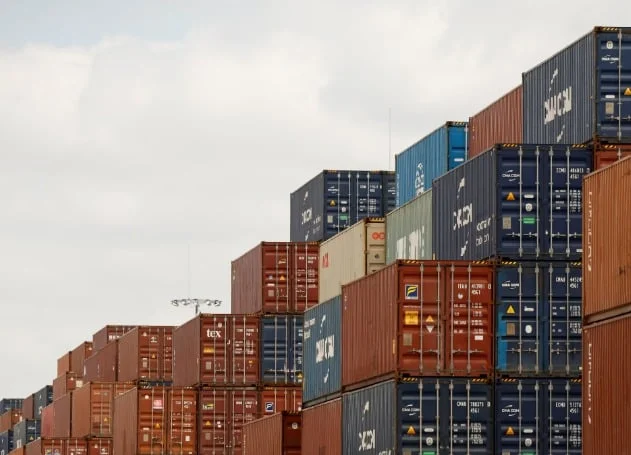
Compounding the pressure of geopolitical friction is the rapid transformation of the global economy itself. The WTO’s annual report points out that the existing body of trade rules was largely designed for a 20th-century economy dominated by physical goods transported via maritime shipping. Today, the global economy is increasingly driven by digital services, data flows, e-commerce, and intangible assets.
The governance of digital trade remains fragmented, with different jurisdictions adopting conflicting standards on data localization, privacy, cybersecurity, and artificial intelligence regulation. This regulatory patchwork creates compliance nightmares for multinational corporations and stifles the growth of digital startups in developing countries.
Simultaneously, global value chains (GVCs) are undergoing a structural reorganization. Driven by lessons learned from pandemic-era disruptions, geopolitical conflicts, and extreme weather events, companies are shifting away from pure cost-efficiency models toward "friend-shoring," "near-shoring," and reshoring. While this diversification may enhance individual corporate resilience, it often comes at the expense of global efficiency, driving up production costs and contributing persistent inflationary pressures to the global economy.
Calls for Urgent Reform and Member State Responsibilities
In light of these compounding crises, the WTO is issuing a clarion call to its member states to modernize and revitalize the organization. The appeal focuses on several key areas requiring immediate multilateral cooperation:
- Dispute Settlement Restoration: One of the most pressing institutional challenges facing the WTO is the paralysis of its Appellate Body. Without a functioning, binding dispute settlement mechanism, the enforcement of global trade rules remains deeply compromised, encouraging unilateralism.
- Updating Subsidies Rules: The WTO must develop a transparent and enforceable framework to address the modern wave of industrial subsidies, distinguishing between legitimate public investments (such as green transition initiatives) and market-distorting interventions.
- Inclusive Digital Trade Frameworks: Establishing global baselines for digital commerce is essential to ensure that the benefits of the digital economy are shared equitably, preventing technological divides from hardening into permanent economic disparities.
- Addressing Environmental Intersections: As climate change policies increasingly intersect with trade policy, the WTO must foster dialogue to ensure that carbon border adjustments and green subsidies do not morph into disguised forms of protectionism.
Broader Implications for the Global Economy
The warnings issued by the WTO in Geneva serve as a sobering reminder of the fragility of modern economic globalization. The assumption that economic integration would perpetually deepen under a shared set of multilateral rules has been severely tested by political realties.
If major trading nations continue down the path of fragmentation, the world risks returning to a zero-sum, mercantilist paradigm reminiscent of the interwar period—an era defined by trade wars, economic instability, and geopolitical escalation. Conversely, if governments can summon the political will to negotiate pragmatic reforms at the WTO, the multilateral system can adapt to 21st-century realities, preserving the open commerce that has lifted billions out of poverty over the past 75 years.
As the global community navigates this critical crossroads, the choices made by policymakers in Washington, Brussels, Beijing, and capitals across the developing world in the coming months will determine whether the global economy fractures into competing economic blocs or reunites under a modernized, resilient, and inclusive rules-based system.