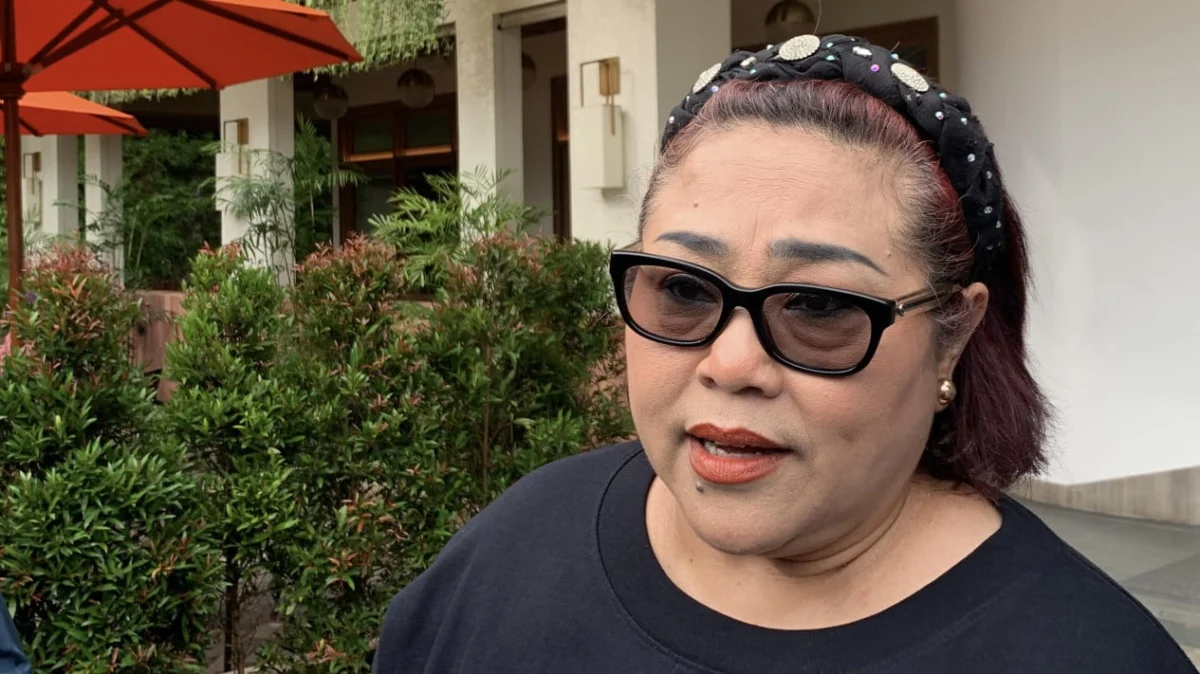
The culinary business established by veteran Indonesian comedian Tri Retno Prayudati, popularly known as Nunung, alongside her extended family in Solo, Central Java, is currently facing a critical period. Once celebrated as a vibrant culinary destination highlighting traditional Javanese family recipes, the establishment—named Songoseng by Mami Nunung—has experienced a sharp and unexpected decline in customer foot traffic. While fluctuations in the food and beverage industry are commonplace, the situation in Solo has taken an unusual turn, prompting concerns from management, employees, and the celebrity owner herself regarding the underlying causes of the downturn.
The challenges confronting the restaurant have sparked widespread public discussion, moving beyond standard commercial struggles into realms of speculation involving unfair competition and unverified supernatural claims raised by staff members. As the establishment navigates this precarious phase, industry observers, culinary analysts, and fans of the legendary comedian are closely monitoring the developments surrounding the business, which initially launched with significant backing and high consumer expectations.
Origins and Initial Success of Songoseng by Mami Nunung
Songoseng by Mami Nunung officially opened its doors to the public in November 2024. Located in Solo, a city renowned for its rich culinary heritage and fiercely competitive food market, the restaurant aimed to carve out a distinct niche by offering authentic, home-style Javanese dishes based on cherished family recipes.
The launch of the restaurant generated substantial media attention and consumer interest, largely driven by Nunung’s enduring popularity in the Indonesian entertainment industry. With a decades-long career spanning television comedy, stage performances, and film, Nunung commands a loyal public following. Furthermore, the business received a significant boost from prominent celebrity entrepreneur Raffi Ahmad, who provided crucial capital support and assistance with the establishment’s venue.
During its initial months of operation, the restaurant enjoyed robust patronage. Tourists and locals alike flocked to the venue to sample the offerings, resulting in strong daily sales and an optimistic outlook for the family-run enterprise. Employees and family members alike shared in the enthusiasm, anticipating long-term stability and growth in Solo’s bustling gastronomic landscape.
The Unforeseen Downturn: Chronology of the Slump
The positive momentum, however, proved difficult to sustain. Over subsequent months, the establishment began registering a noticeable and continuous decline in customer numbers, which directly impacted daily revenues. What initially appeared to be a standard post-launch normalization curve soon escalated into a severe operational setback.
During an appearance on a prominent morning talk show, Pagi Pagi Ambyar, broadcast on a major national television network, Nunung candidly addressed the current state of her business. She described the drop in sales as drastic, noting that the financial viability of the restaurant has been severely tested.
Despite the alarming financial metrics, Nunung initially sought to interpret the slump through a rational, business-oriented lens. She acknowledged that Solo is a highly competitive culinary hub, boasting countless traditional eateries, street vendors, and modern cafes that vie for consumer attention. In such an environment, fluctuations and intense competition are standard realities that business owners must navigate.
"I do not want to harbor prejudice; competition is naturally present," Nunung stated during the broadcast, emphasizing her preference for maintaining a constructive outlook. Despite the struggles, she affirmed her commitment to keeping the establishment operational, noting that closure is not a viable option due to the livelihoods of her family members and staff. "Now it is very quiet, yes, it is still open; if it is not open, what will my family do for work?" she added.
Employee Concerns and Allegations of Mysterious Occurrences
While Nunung has maintained a pragmatic stance centered on market competition, the perspectives held by her floor staff diverge significantly. Employees working at Songoseng by Mami Nunung have reported growing unease regarding the atmosphere and the sudden, unexplained nature of the customer drop-off.
According to accounts shared by the staff, several unusual incidents have contributed to a climate of suspicion within the restaurant. Employees noted that numerous customers expressed surprise upon visiting the area, operating under the mistaken belief that the restaurant had permanently closed its doors, even though operations continued normally according to the official schedule.
More alarmingly, members of the kitchen and service staff reported discovering strange, unexplained objects hidden within the vicinity of the premises. These items, described as unusual and out of place, were reportedly disposed of or destroyed by workers upon discovery. However, staff members claimed that similar items reappeared in the same locations shortly after being discarded, fueling speculation among some workers that external, non-business factors might be influencing the restaurant’s fortunes.
"Many things were thrown away, found by employees. Once thrown away, it got busy, then there was something again," Nunung recounted, reflecting the concerns brought forward by her team, which eventually led to suggestions from staff members to seek spiritual interventions such as ruqyah—an Islamic ritual purification practice.
Broader Context of Culinary Ventures and Celebrity Endorsements
The challenges facing Songoseng by Mami Nunung highlight the inherent risks associated with celebrity-backed culinary enterprises in Indonesia. In recent years, numerous public figures have leveraged their personal brands to enter the food and beverage sector, capitalizing on high social media followings and initial media hype.
However, industry experts frequently note that initial popularity and celebrity endorsements do not guarantee long-term commercial sustainability. The Indonesian food service industry operates on stringent margins, where success is ultimately dictated by consistent food quality, effective supply chain management, competitive pricing, changing consumer preferences, and superior customer service.
In Solo specifically, the culinary ecosystem is deeply rooted in local traditions, where legendary legacy eateries often dominate consumer loyalty. New entrants, even those backed by prominent entertainment figures, must continuously innovate and maintain rigorous operational standards to retain market share against established local competitors.
Fact-Based Analysis of Business Implications
From a commercial standpoint, the sharp decline in patronage at Songoseng by Mami Nunung underscores the vulnerability of independent family-run ventures when confronted with sustained revenue deficits. When customer traffic drops drastically, businesses face immediate pressure regarding fixed overhead costs, including employee salaries, rent, utilities, and raw material sourcing.
While employees and management may attribute operational hurdles to external or unverified phenomena, business analysts generally point toward several operational factors that commonly afflict struggling restaurants. These include potential shifts in local consumer dining habits, evolving marketing effectiveness, regional economic pressures affecting discretionary spending, or subtle inconsistencies in product delivery and service standards over time.
For Nunung and her management team, addressing the crisis requires a multifaceted approach that bridges operational restructuring with strategic marketing interventions. Strengthening digital engagement, reassessing menu pricing structures, gathering direct consumer feedback, and re-evaluating promotional strategies represent standard industry remedies for reversing negative sales trends.
Current Status and Future Outlook
As the discourse surrounding Songoseng by Mami Nunung continues to circulate across media platforms, the establishment remains open to the public, sustaining the livelihoods of Nunung’s family members and local staff. While internal anxieties persist among workers regarding mysterious occurrences and suggestions for spiritual cleansing, the core challenge remains economic: rebuilding consumer trust and foot traffic in a fiercely competitive market.
The situation serves as a prominent case study in the intersection of celebrity culture, traditional culinary enterprise, and the unpredictable realities of modern business management in Indonesia. Whether through strategic marketing overhauls, menu refreshments, or addressing the operational concerns raised by staff, the future trajectory of Songoseng by Mami Nunung will depend heavily on adaptive management decisions taken in the face of ongoing commercial headwinds.