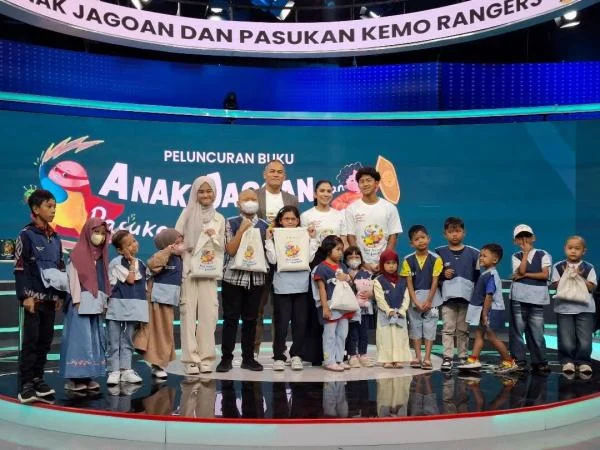
In a significant move to bolster the mental and emotional resilience of children battling life-threatening illnesses, the social movement Mulai Dari Kita has officially released a specialized storybook titled Anak Jagoan dan Pasukan Kemo Rangers (The Brave Child and the Chemo Ranger Squad). Launched in commemoration of National Children’s Day 2026, the book aims to bridge the communication gap between complex medical procedures and the imaginative world of childhood. For thousands of pediatric cancer patients across Indonesia, the struggle against the disease is not confined to the sterile walls of oncology wards or the grueling cycles of chemotherapy; it is a mental battle characterized by profound fear, separation anxiety, and a confusing lack of understanding regarding their own bodies. By transforming the daunting reality of cancer treatment into a narrative of heroism and adventure, this initiative seeks to provide a vital psychosocial lifeline for the nation’s youngest "warriors."
A Narrative Approach to Pediatric Oncology
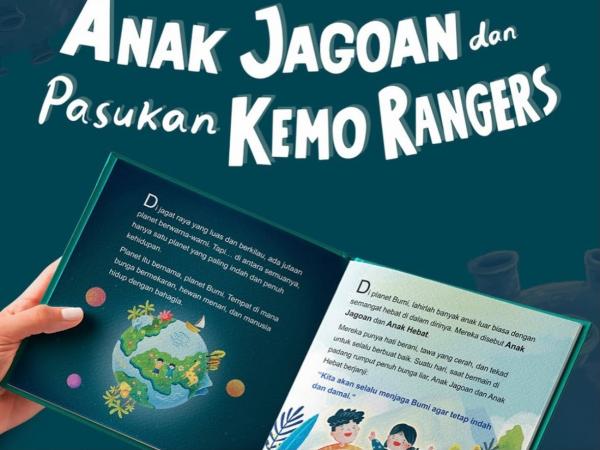
The book is the brainchild of Aninditha Anestya Bakrie, widely known as Ditha Bakrie, and was authored by Ilham Fahmi. Recognizing that traditional medical explanations often alienate or terrify children, the creators collaborated closely with child psychologists to ensure the content was developmentally appropriate and therapeutic. The narrative structure of Anak Jagoan dan Pasukan Kemo Rangers eschews intimidating clinical terminology in favor of a metaphorical universe. In this world, the patient is the "Anak Jagoan" (The Brave Child), white blood cells are reimagined as "Super Sel" (Super Cells), and chemotherapy drugs are personified as the "Pasukan Kemo Rangers" (Chemo Ranger Squad). The antagonist of the story is "Kangkoro," a character representing the cancer cells that the heroes must defeat.
This metaphorical approach is grounded in psychological theories of cognitive development. For children in the pre-operational and concrete operational stages, abstract concepts like "malignant neoplasms" or "cytotoxic agents" are impossible to grasp. By framing treatment as a quest or a battle where they play the lead role, children are empowered with a sense of agency. Instead of being passive recipients of painful treatments, they become active participants in a mission to protect their "kingdom"—their body.
The Landscape of Pediatric Cancer in Indonesia
The launch of this book comes at a critical time for Indonesia’s healthcare system. According to data from the Indonesian Ministry of Health and the Indonesian Pediatric Society (IDAI), cancer remains one of the leading causes of death among children and adolescents worldwide. In Indonesia, it is estimated that approximately 11,000 to 12,000 new cases of pediatric cancer are diagnosed annually. Leukemia (blood cancer) remains the most prevalent type, accounting for nearly 60% of cases, followed by retinoblastoma (eye cancer), osteosarcoma (bone cancer), and neuroblastoma.
Despite advancements in medical technology, the survival rate for pediatric cancer in Indonesia remains lower than in high-income countries, often hovering around 20% to 30% for certain types, largely due to late diagnosis and treatment abandonment. One of the primary drivers of treatment abandonment is the psychological toll on the child and the family. The trauma of repeated needle pricks, the physical changes brought about by chemotherapy—such as hair loss and weight fluctuations—and the isolation from school and peers often lead to a "burnout" phase where families lose the will to continue the long road to recovery. Tools like Anak Jagoan dan Pasukan Kemo Rangers are designed to mitigate this trauma, fostering a more positive environment that encourages treatment adherence.
Psychosocial Support: The Missing Piece of the Puzzle
While the medical community focuses on survival rates and clinical outcomes, the psychosocial aspect of pediatric care is often underfunded or overlooked. Dr. Iliana Rahmawati, a child psychologist involved in the review of the book, noted that emotional distress can have a direct impact on a child’s physiological response to treatment. "When a child is in a state of constant fear, their cortisol levels rise, which can suppress the immune system and affect sleep and nutrition—both of which are vital for recovery," Dr. Rahmawati explained during the launch event.
The book serves as a "medical play" tool. Medical play is a recognized therapeutic technique where children use toys or stories to process their medical experiences. By reading about the "Kemo Rangers," a child can externalize their illness. They can express their anger or fear toward "Kangkoro" rather than internalizing it as a personal failing or a punishment. Furthermore, the book provides parents with a script. Many parents struggle to find the right words to explain why their child is losing their hair or why they cannot go outside to play. The story provides a shared language for the family, turning a period of crisis into a period of shared storytelling and bonding.

Chronology of the Project and the Role of Mulai Dari Kita
The development of Anak Jagoan dan Pasukan Kemo Rangers began in early 2025 under the "Mulai Dari Kita" (It Starts With Us) social movement. The organization, which focuses on education, health, and social empowerment, identified a significant void in local-language resources for pediatric patients. While English-language resources exist globally, they often lack the cultural nuances and linguistic accessibility required for the Indonesian context.
The timeline of the project involved several key phases:
- Conceptualization (January – May 2025): Ditha Bakrie and the team conducted visits to several "Rumah Singgah" (halfway houses for cancer patients) in Jakarta to observe the daily challenges faced by children and their caregivers.
- Collaborative Writing (June – December 2025): Ilham Fahmi worked with oncologists to ensure that while the language was metaphorical, the sequence of events accurately reflected the chemotherapy process.
- Psychological Validation (January – March 2026): Drafts were reviewed by child development experts to ensure the "Kangkoro" character was not so frightening as to cause nightmares, but distinct enough to represent the "enemy" of health.
- Production and Distribution Strategy (April – June 2026): The movement secured partnerships with corporate sponsors to ensure the book could be distributed free of charge to pediatric wards across the country.
The official launch on National Children’s Day 2026 serves as the climax of this journey, signaling a commitment to the "Holistic Care" model, which treats the patient as a whole person rather than just a diagnosis.
Official Responses and Stakeholder Reactions
The initiative has received widespread acclaim from various sectors. Ditha Bakrie, in her keynote address at the launch, emphasized that the project is about more than just a book. "Every child has the right to feel like a hero, especially when they are fighting the biggest battle of their lives. We wanted to give them a tool that says, ‘You are not a victim; you are a Jagoan (Champion),’" she stated.

Representatives from the Ministry of Health expressed their support, suggesting that such resources should be integrated into the standard "patient kit" provided to newly diagnosed children in government hospitals like RSUPN Dr. Cipto Mangunkusumo (RSCM). Health officials noted that improving the "patient experience" is a key pillar in the national health transformation strategy, as it leads to better patient satisfaction and potentially better long-term health outcomes.
Cancer advocacy groups, such as the Indonesian Childhood Cancer Foundation (YKAKI), have also welcomed the book. Volunteers from these organizations often act as storytellers in hospitals, and having a standardized, high-quality narrative helps them provide consistent emotional support to the children they serve.
Broader Implications and Future Outlook
The launch of Anak Jagoan dan Pasukan Kemo Rangers sets a precedent for the role of creative media in Indonesian healthcare. It highlights the growing trend of "Health Literacy," where the goal is to make medical information accessible to all segments of society, including the youngest.
Looking forward, the Mulai Dari Kita movement plans to expand this initiative. There are discussions about creating an animated version of the story to be played in hospital waiting rooms, as well as a series of sequels addressing other aspects of the journey, such as "Returning to School After Treatment" and "The Victory Bell" (celebrating remission). Furthermore, the movement aims to translate the book into several local dialects to reach children in remote provinces where access to specialized psychosocial support is even more limited.
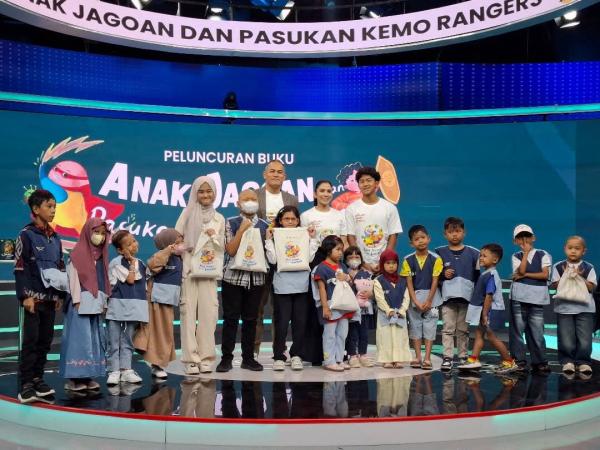
In conclusion, the fight against childhood cancer in Indonesia is gaining a powerful new ally. By harnessing the power of imagination, Anak Jagoan dan Pasukan Kemo Rangers transforms the cold, clinical reality of chemotherapy into a vibrant tale of resilience. It reminds the medical community, parents, and the public that while medicine may treat the body, it is hope, understanding, and a bit of "superhero" magic that heal the spirit. As these young warriors open the pages of their new book, they are no longer just patients in a ward; they are heroes on a mission, backed by a squad of rangers and a nation that believes in their victory.