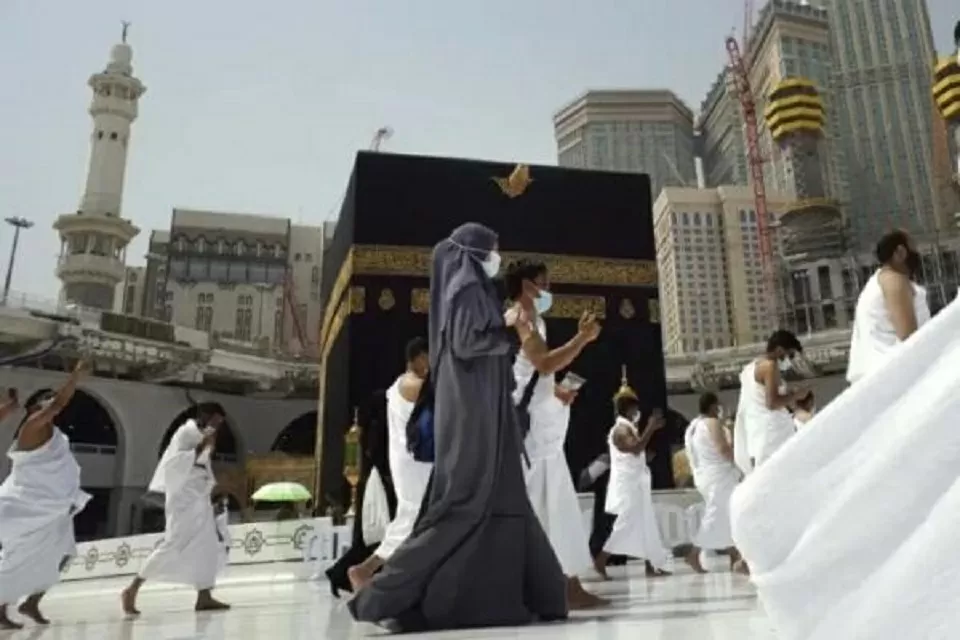
The sacred month of Dhu al-Qi’dah, the eleventh month in the Islamic Hijri calendar, holds a special significance for Muslims worldwide. This month, marking the beginning of the three consecutive months of sanctity (Dhu al-Qi’dah, Dhu al-Hijjah, and Muharram), is deeply associated with the practices of Prophet Muhammad (peace be upon him). Notably, historical accounts and authentic hadith literature reveal that the Prophet (PBUH) performed the lesser pilgrimage, Umrah, exclusively during this venerable period. This practice underscores the importance of observing religious rituals in accordance with the Sunnah, or the traditions and practices of the Prophet, thereby drawing closer to Allah and adhering to the divine guidance.
Dhu al-Qi’dah, meaning "the one who desists from sitting," is one of the four sacred months designated in Islam, revered for their sanctity and the increased spiritual rewards associated with good deeds and amplified consequences for transgressions. The other three sacred months are Dhu al-Hijjah, Muharram, and Rajab. The wisdom behind the institution of these sacred months, particularly the consecutive trio of Dhu al-Qi’dah, Dhu al-Hijjah, and Muharram, is rooted in ensuring peace and security for the annual Hajj pilgrimage, a cornerstone of Islamic practice. This temporal arrangement provides ample opportunity for pilgrims to travel to Makkah, perform their rituals without undue disturbance, and return home safely. The designation of these months as "haram" (sacred or forbidden) extends prohibitions against warfare and aggression, fostering an atmosphere of tranquility and reverence.
The Prophet Muhammad’s (PBUH) consistent practice of performing Umrah solely within Dhu al-Qi’dah serves as a clear directive for his followers. This tradition is well-documented in authoritative collections of hadith. Anas bin Malik (may Allah be pleased with him), a close companion of the Prophet, narrated that the Messenger of Allah (PBUH) performed Umrah four times, all of which occurred in the month of Dhu al-Qi’dah, with the exception of the Umrah performed in conjunction with his Farewell Pilgrimage. This established practice is a guiding principle for Muslims aspiring to emulate the Prophet’s way of life.
The Prophet’s Umrah in Dhu al-Qi’dah: A Detailed Account
The meticulous adherence of Prophet Muhammad (PBUH) to performing Umrah in Dhu al-Qi’dah is a testament to the precise nature of Islamic jurisprudence and the importance of following the Prophet’s Sunnah. The hadith narrated by Anas bin Malik, found in prominent compilations like Sahih al-Bukhari (Hadith 1780) and Sahih Muslim (Hadith 1253), provides specific details about these occasions:
"That the Messenger of Allah (peace and blessings of Allah be upon him) performed Umrah four times, all of them in the month of Dhu al-Qi’dah, except for the one that he performed with his Hajj. (Namely) Umrah from Hudaybiyyah, or in the year of the treaty of Hudaybiyyah, in the month of Dhu al-Qi’dah, and the Umrah in the following year in the month of Dhu al-Qi’dah, and the Umrah from Ji’ranah, where he distributed the spoils of Hunayn in the month of Dhu al-Qi’dah, and the Umrah when he performed Hajj."
This narration highlights at least three distinct Umrah pilgrimages undertaken by the Prophet (PBUH) in Dhu al-Qi’dah, separate from the one integrated into his Hajj. These include:
- Umrah of Hudaybiyyah (or the year of the treaty): This significant event occurred in the sixth year of the Hijrah (628 CE). Although the treaty itself was signed in Dhu al-Qi’dah, the Prophet and his companions were initially prevented from entering Makkah for pilgrimage. The Umrah was subsequently performed in Dhu al-Qi’dah of the following year, as part of the fulfillment of the treaty.
- Umrah in the following year: This refers to the Umrah Qada’ (the make-up Umrah) performed in the seventh year of Hijrah (629 CE), which was a direct consequence of the terms of the Treaty of Hudaybiyyah.
- Umrah from Ji’ranah: This Umrah took place in the eighth year of Hijrah (630 CE) after the conquest of Makkah. The Prophet (PBUH) departed from Ji’ranah, a village near Makkah, to perform Umrah after distributing the spoils of war from the Battle of Hunayn.
The consistent pattern of these significant spiritual journeys within Dhu al-Qi’dah reinforces its status as the prescribed month for Umrah according to the Prophet’s Sunnah.
Dhu al-Qi’dah: A Month of Sanctity and Divine Favor
Beyond its association with the Prophet’s Umrah, Dhu al-Qi’dah is imbued with profound spiritual significance. As a sacred month, it commands respect and adherence to specific divine injunctions. Al-Tabari, in his renowned tafsir (exegesis of the Quran), elaborates on the sanctity of Dhu al-Qi’dah as one of the "months of Allah" (ash-hur al-hurum). These are months where Allah has magnified the honor and sanctity of the times. Consequently, acts of righteousness are met with amplified rewards, while sins are considered more grievous and their repercussions more severe.
The Quran itself enjoins believers during these sacred months: "Therefore, do not wrong yourselves therein. And fight not the idolaters all together as they fight you all together. And know that Allah is with the righteous." (Quran 9:36). This verse emphasizes abstaining from injustice and transgression, both towards oneself and others. The prohibition against engaging in warfare during these months was a pre-Islamic Arab custom that was affirmed and sanctified within Islamic law, continuing the legacy of reverence established by earlier prophets like Ibrahim and Ismail.
The significance of Dhu al-Qi’dah extends to the narrative of Prophet Musa (Moses) (peace be upon him). In the Quran, Allah states: "And [recall] when We made the appointment with Moses for thirty nights and completed them with ten [more]; so the Lord completed the appointed time of forty nights. And Moses said to his brother Aaron, ‘Take my place among my people, do right, and do not follow the way of the corrupters.’" (Quran 7:142). This verse refers to the period when Prophet Musa (PBUH) ascended Mount Sinai to receive the divine revelation of the Torah. Allah initially appointed thirty nights, which were then augmented by ten additional nights, totaling forty nights. The initial thirty nights are understood to correspond to the month of Dhu al-Qi’dah, with the subsequent ten nights falling in the early part of Dhu al-Hijjah. This period of intense spiritual communion and divine revelation further elevates the sanctity of Dhu al-Qi’dah.
Implications and Broader Context
The consistent practice of Prophet Muhammad (PBUH) performing Umrah in Dhu al-Qi’dah carries significant implications for Muslims today. It provides a clear framework for those seeking to perform Umrah in a manner that aligns with the Sunnah, offering a specific time that is spiritually charged and historically significant.
Spiritual Resonance: Observing Umrah in Dhu al-Qi’dah allows pilgrims to connect with a profound aspect of the Prophet’s life and the historical context of early Islam. It fosters a deeper appreciation for the spiritual journey and the sacredness of the times.
Peace and Security: The designation of Dhu al-Qi’dah as a sacred month contributes to an atmosphere conducive to pilgrimage. The historical understanding that this month, along with Dhu al-Hijjah and Muharram, was intended to ensure the safety and peace of pilgrims underscores the divine wisdom in structuring religious observances.
Discipline and Intent: The specific timing also encourages a deliberate and planned approach to Umrah. It requires foresight and preparation, aligning with the disciplined nature of Islamic worship.
Reinforcement of Sacredness: By highlighting the Prophet’s exclusive Umrah performances in this month, religious scholars and texts reinforce the sanctity of Dhu al-Qi’dah as a period of heightened spiritual merit and divine favor.
The month of Dhu al-Qi’dah, therefore, is not merely another month in the Islamic calendar; it is a period rich with historical precedent, spiritual significance, and divine injunctions. For Muslims aspiring to draw closer to Allah and follow the path of Prophet Muhammad (PBUH), observing Umrah during this venerable month is a deeply meaningful act of devotion and adherence to the Sunnah. The careful observance of these sacred times, as exemplified by the Prophet, serves as a timeless guide for the faithful, fostering spiritual growth and a deeper connection to their religious heritage. The ongoing observance of Umrah in Dhu al-Qi’dah by millions of Muslims each year continues this blessed tradition, uniting the Ummah in a shared pursuit of divine pleasure and spiritual fulfillment.