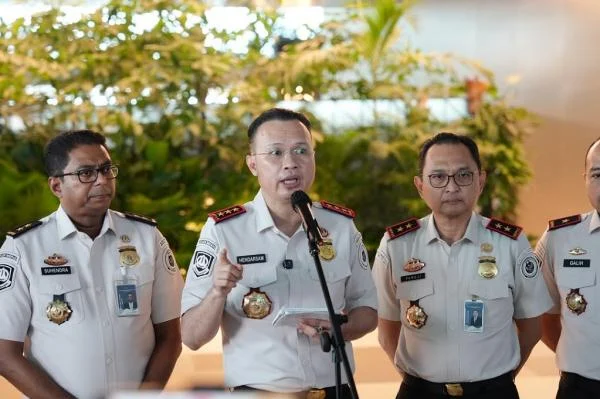
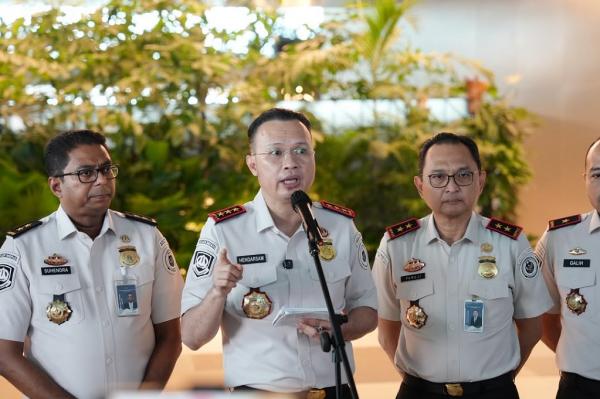
The Indonesian Directorate General of Immigration has intensified its border security operations, successfully preventing 39 Indonesian citizens (WNI) from departing the country under suspicions that they intended to enlist as mercenary soldiers for the Russian military. The revelation, disclosed by Director General of Immigration Hendarsam Marantoko on Sunday, November 29, 2026, marks a significant escalation in efforts to mitigate the involvement of Indonesian nationals in foreign armed conflicts. These interceptions, which occurred between June and November 2026, underscore growing concerns regarding the recruitment of foreign fighters into the ongoing geopolitical theater of the Russia-Ukraine war.
The Geography of Interception
According to the official data provided by the Directorate General of Immigration, the majority of these attempts were thwarted at Indonesia’s primary international gateway, Soekarno-Hatta International Airport in Tangerang, Banten. Out of the 39 individuals identified, 32 were stopped by immigration officers at this facility.
The remaining seven cases were distributed across various other exit points: one individual was blocked at Juanda International Airport in East Java, two were prevented from leaving through Ngurah Rai International Airport in Bali, and three were intercepted while attempting to transit through Dubai, United Arab Emirates. The geographical spread of these interceptions suggests that the recruitment networks targeting Indonesian citizens are operating with a level of sophistication, utilizing various hubs to circumvent standard security screenings.
Director General Hendarsam Marantoko noted that all 39 individuals have been entered into the immigration "subject of interest" system. This database entry serves as a permanent alert for border control officers, ensuring that should any of these individuals attempt to apply for travel documents or cross national borders in the future, they will be subjected to secondary screening and potential denial of exit.
Patterns of Deception and Recruitment
The methodology employed by these individuals often involves misrepresenting their travel intentions. During preliminary questioning by immigration officers, many of the 39 intercepted WNI initially claimed they were traveling for tourism, visiting family members, or pursuing legitimate employment opportunities within the Russian Federation.
However, as the interviews progressed, a portion of these travelers admitted to the underlying intent: to join the Russian military as mercenaries. The motivation behind such decisions remains a subject of ongoing investigation by state intelligence and law enforcement agencies. Socio-economic factors, the allure of significant financial compensation, and ideological alignment are often cited by security analysts as potential drivers for individuals seeking to join foreign military units.
The phenomenon is not entirely unprecedented, but the surge in the latter half of 2026 indicates a more concerted effort by recruiters to tap into the Indonesian labor market. The Indonesian government has maintained a consistent stance against its citizens participating in foreign conflicts, citing both the legal implications under national security laws and the humanitarian risks associated with operating in active combat zones.
Broader Context: The Cost of Conflict
The urgency of this immigration crackdown was underscored by recent reports concerning a citizen from Kebumen, Central Java, who was allegedly killed while serving in the Russian military. This tragic incident has prompted the Indonesian House of Representatives (DPR) to call for immediate intervention from the Ministry of Foreign Affairs (Kemlu). The presence of Indonesian citizens in the ranks of foreign armies poses a complex diplomatic challenge for Jakarta, as it complicates bilateral relations and raises significant consular issues regarding the protection of citizens abroad.
The Ministry of Foreign Affairs is currently engaged in an extensive verification process to identify the number of Indonesian nationals currently serving in the conflict zone. This initiative involves coordinating with embassies and international humanitarian organizations to confirm the status of these individuals and to explore the possibility of repatriation for those who wish to return to Indonesia.

Implications for National Security
The involvement of Indonesian citizens in foreign wars carries severe implications for the state. First, there is the risk of "blowback"—the potential for individuals who have gained combat experience abroad to return to Indonesia with radicalized ideologies or skills that could threaten domestic stability. Second, there are legal repercussions. Under Indonesian law, participating in a foreign military can lead to the revocation of citizenship or prosecution, depending on the nature of the involvement and the specific statutes applicable at the time of the offense.
Security analysts have pointed out that the recruitment of foreign fighters is often conducted through encrypted digital platforms, making it difficult for authorities to track the origin of these operations. The collaboration between the Directorate General of Immigration and intelligence services is therefore critical. By identifying these individuals before they reach the battlefield, the Indonesian government is effectively disrupting the supply chain of human capital that sustains these mercenary groups.
Government Response and Future Measures
In response to the growing trend, the Ministry of Foreign Affairs and the Directorate General of Immigration have pledged to increase coordination. This involves sharing real-time intelligence on suspicious travel patterns, such as individuals purchasing one-way tickets to regions bordering the conflict zone or individuals who lack clear documentation or employment verification for their stated travel purposes.
Furthermore, the government is considering launching public awareness campaigns to warn the populace about the dangers of responding to recruitment advertisements that promise high pay for military service abroad. These campaigns aim to dispel the myths surrounding "mercenary work" and highlight the reality of the risks involved, including the lack of legal protections for foreign combatants and the high probability of casualty.
The Legal Framework
Indonesia’s position on this issue is rooted in its constitutional commitment to an independent and active foreign policy. The state does not sanction the participation of its citizens in conflicts that do not involve the defense of Indonesia’s own sovereignty. When Indonesian citizens enlist as mercenaries, they operate outside the scope of international humanitarian law, often finding themselves in a legal vacuum where they lack the protections afforded to formal soldiers under the Geneva Conventions.

For the families of those who have been intercepted, the experience is often one of confusion and fear. Many of those stopped by immigration were likely influenced by intermediaries who downplayed the risks. The government’s decision to place these individuals in the "subject of interest" system is intended as a preventive measure rather than a purely punitive one, giving the state a mechanism to monitor their activities and prevent future attempts to engage in illegal combat operations.
Analysis of the Operational Challenge
The success of the immigration authorities in intercepting 39 individuals highlights the efficacy of the "subject of interest" system, but it also reveals the immense challenge of monitoring millions of international departures. Border control, while robust, cannot be everywhere at once. The shift toward more advanced, AI-driven passenger screening processes is likely the next step for Indonesian border security to identify behavioral anomalies that may suggest a person is being groomed for illicit activities.
As the conflict in Eastern Europe continues to evolve, the pressure on international borders to manage the flow of individuals seeking to enter the conflict zone will likely remain high. For Indonesia, the priority remains the protection of its citizens’ lives and the preservation of national security. The government has signaled that it will continue to apply strict scrutiny to travel applications for countries currently involved in, or adjacent to, major conflicts.
Conclusion
The interception of 39 Indonesian citizens by the Directorate General of Immigration is a critical development in the nation’s security posture. It serves as a stark reminder that the impacts of global conflicts extend far beyond their physical borders, affecting the social fabric and security of neutral nations. By proactively preventing these individuals from traveling, Indonesian authorities are not only upholding the law but also potentially saving lives. As the Ministry of Foreign Affairs continues its verification efforts and the government tightens its surveillance, the focus remains on ensuring that Indonesian citizens are protected from the dangers of foreign military recruitment and that the country remains insulated from the complexities of external armed conflicts. Moving forward, the government’s ability to maintain these security standards will be essential in navigating the volatile geopolitical landscape of the coming years.