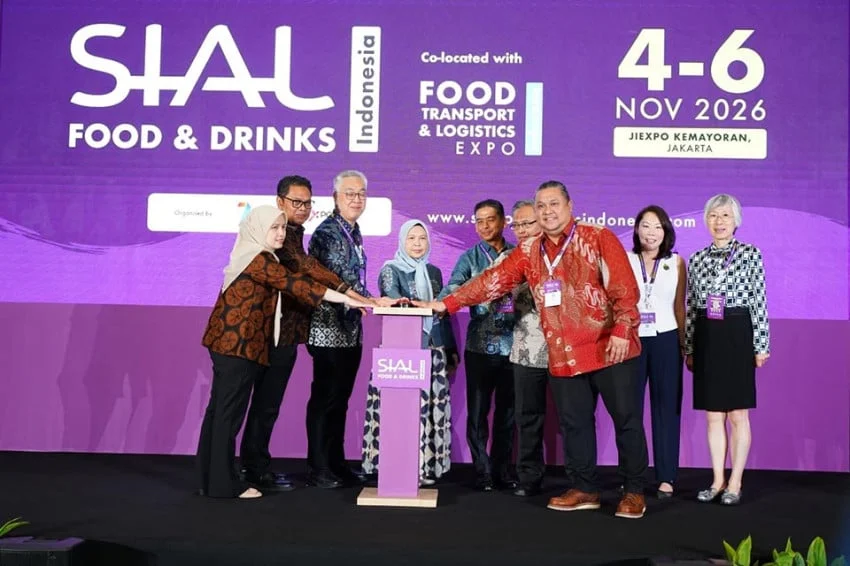
JAKARTA — The much-anticipated SIAL Food & Drinks Indonesia 2026 officially opened its doors today, establishing itself as a premier nexus for the global food and beverage (F&B) industry. Running from November 4 to November 6, 2026, at Halls B and C of the Jakarta International Expo (JIExpo) Kemayoran, Jakarta, the high-profile trade exhibition brings together more than 500 prominent brands hailing from 16 countries and territories.
Designed specifically as a business-to-business (B2B) platform, the three-day event serves as a dynamic marketplace that bridges producers, raw material suppliers, major distributors, retail giants, and professional buyers from across the Indonesian archipelago and key international markets. By fostering direct engagement among these stakeholders, the exhibition aims to accelerate trade networking, facilitate the transfer of innovative food-processing technologies, and unlock robust cross-border market access.
The launch of this year’s edition arrives at a critical juncture for Indonesia’s domestic economy and export landscape, reflecting a concerted effort by both public and private sectors to bolster the nation’s footprint in the competitive global food supply chain.
Strategic Economic Context and Export Performance
Speaking at the official opening ceremony, the Director General of National Export Development at the Indonesian Ministry of Trade, Fajarini Puntodewi, emphasized the profound strategic value of SIAL Food & Drinks Indonesia 2026. She noted that the event acts as an indispensable catalyst for domestic industry players seeking to forge high-value partnerships with international counterparts, thereby elevating the overall competitiveness of Indonesian food and beverage products on the world stage.
"Indonesia possesses immense potential within the food and beverage industry, a reality vividly reflected in the sustained positive performance of our national processed food exports," stated Fajarini during her keynote address.
Highlighting recent macroeconomic indicators, the Ministry of Trade reported that during the January-August 2026 period, Indonesia’s processed food export value reached an impressive USD 4.49 billion. This figure represents a notable year-on-year increase of 13.47% compared to the corresponding period in the previous year.
According to government analysts, this steady upward trajectory underscores the growing international consumer confidence in Indonesian food commodities, ranging from specialty spices and packaged snacks to innovative beverage derivatives. Fajarini stressed that the impressive trade figures should serve as a springboard for industry stakeholders to secure long-term commercial contracts and establish concrete, mutually beneficial cross-border alliances during the exhibition.
Empowering Local Enterprises and Overcoming Global Challenges
While Indonesia boasts a thriving domestic market fueled by a large population and rising middle-class consumption, bridging the gap between local producers and global retail shelves remains a complex endeavor. Addressing this dynamic, Henri Tan, Managing Director of SIAL Network – ASEAN & India, underscored the unique positioning of Indonesia within the broader Southeast Asian economic architecture.
"The Indonesian F&B sector is widely recognized not merely as a massive consumer market, but increasingly as a pivotal production and export hub for the entire Southeast Asian region," Henri explained. "However, effectively reaching international buyers, navigating complex regulatory frameworks abroad, and successfully penetrating foreign markets still present formidable challenges—particularly for micro, small, and medium enterprises (MSMEs)."
To mitigate these hurdles, SIAL Food & Drinks Indonesia 2026 has integrated specialized matchmaking sessions, export-readiness workshops, and networking forums designed to demystify international trade compliance. These initiatives aim to equip local entrepreneurs with the insights, certifications, and direct buyer contacts necessary to scale their operations beyond national borders.
Chronology and Event Timeline
The planning and execution of SIAL Food & Drinks Indonesia 2026 follow a rigorous multi-month preparation timeline typical of major international trade expositions:
- Q1 2026: Initial registration opens for global exhibitors, accompanied by targeted promotional campaigns across ASEAN, East Asia, Europe, and the Middle East to attract diverse culinary delegations.
- May–August 2026: Logistics planning and curation of specialized exhibition zones, focusing on emerging trends such as sustainable packaging, organic foods, plant-based alternatives, and food-tech innovations.
- September–October 2026: Pre-registration phase for professional trade visitors, featuring the rollout of digital matchmaking tools designed to pre-schedule B2B meetings between international buyers and local suppliers.
- November 4, 2026: Official grand opening ceremony at JIExpo Kemayoran, featuring ministerial keynotes, ribbon-cutting ceremonies, and the commencement of exhibition floor activities.
- November 5, 2026 (Ongoing): Series of expert-led seminars, culinary demonstrations, and bilateral trade negotiation forums focusing on supply chain resilience and export financing.
- November 6, 2026 (Upcoming): Conclusion of the three-day event, closing press briefings, and the tabulation of projected trade transactions and memorandum of understanding (MoU) signings.
Scope and Global Participation
The 2026 installment of the exhibition features a diverse geographic distribution of participants. Alongside a robust contingent of Indonesian enterprises—ranging from state-owned agribusinesses to agile food-tech startups—international pavilions have been established by delegations from 15 other countries and territories. These include major manufacturing powerhouses and key agricultural exporters from Asia, Europe, and the Americas.
Exhibits are methodically categorized across vast floor spaces in Halls B and C, covering sectors such as dairy products, meat and poultry, seafood, confectioneries, beverages, functional foods, and food manufacturing machinery. This comprehensive layout allows visiting procurement managers, retail buyers, and culinary experts to evaluate a wide spectrum of supply chain solutions under one roof.
Furthermore, the integration of food technology exhibits highlights the industry’s rapid modernization. Equipment manufacturers are showcasing state-of-the-art sorting, packaging, and refrigeration machinery aimed at reducing food waste and improving compliance with international hygiene and safety standards.
Industry Implications and Future Outlook
The convening of SIAL Food & Drinks Indonesia 2026 carries several profound implications for the domestic and regional economy:
- Stimulating Value Addition: By exposing local raw material producers to international processing standards, the exhibition encourages domestic actors to shift away from exporting raw commodities toward supplying high-value, processed consumer goods.
- Enhancing Supply Chain Resilience: Recent global disruptions have forced retailers and distributors to diversify their sourcing networks. Indonesia’s stable agricultural output positions the country as a reliable alternative sourcing hub for international buyers seeking supply chain security.
- MSME Globalization: Through targeted institutional support and exposure to multinational supply chains, participating MSMEs gain actionable insights into export documentation, quality control, and packaging standards required in destination markets like the European Union, North America, and East Asia.
- Technological Adoption: The presence of global technology providers enables Indonesian food manufacturers to upgrade their production lines, thereby increasing operational efficiency and long-term profit margins.
As the exhibition continues through November 6, industry observers anticipate a substantial volume of business inquiries, joint-venture announcements, and trade agreements. The success of SIAL Food & Drinks Indonesia 2026 will likely serve as a reliable barometer for the health and trajectory of the broader Southeast Asian food and beverage economy as it navigates evolving global consumer demands and economic landscapes.