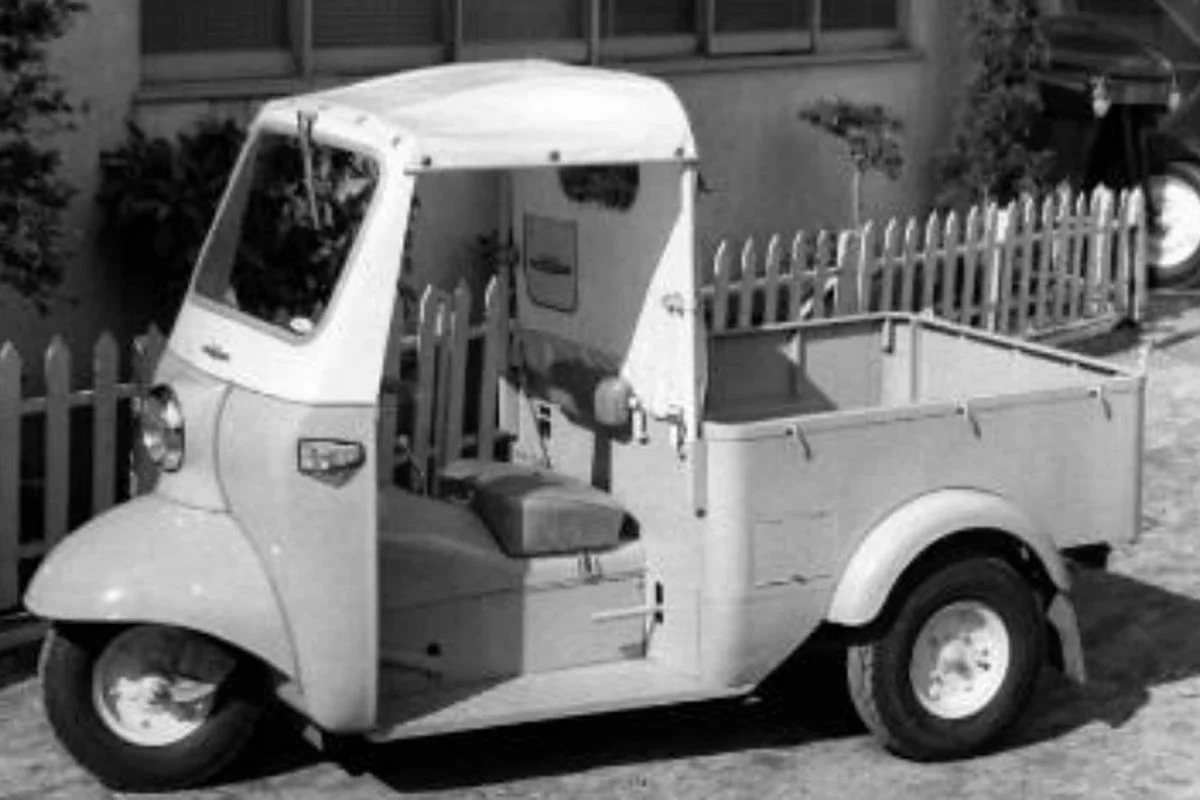
For decades, Daihatsu has been a ubiquitous presence on Indonesian roads, a trusted companion for everyone from burgeoning small business owners to growing families. But before the familiar sights of modern Daihatsu vehicles graced the archipelago, the company embarked on a journey that began with a single, groundbreaking creation: the Daihatsu Midget. This is the story of Daihatsu’s origins, its pivotal role in shaping mobility in Indonesia, and its ambitious vision for the future with the innovative Midget X.
The Genesis of a Vehicle Pioneer: From Industrial Engines to Automotive Beginnings
Daihatsu’s roots trace back to Japan in 1907, a period of burgeoning industrialization. Founded as Hatsudoki Seizo Co., Ltd., the company’s initial focus was on manufacturing steam boilers for factories and ships. This foundational expertise in mechanical engineering laid the groundwork for its eventual foray into the automotive sector. The shift began in the 1930s when the company started developing diesel and internal combustion engines for smaller motor vehicles. This strategic pivot marked the nascent stages of Daihatsu’s transformation into a vehicle manufacturer.
The true dawn of Daihatsu’s automotive identity arrived in 1950 with the unveiling of the Daihatsu Tsubasa, a compact, three-wheeled vehicle. The positive reception and burgeoning demand for such practical utility vehicles spurred further development. This led to the creation of the Daihatsu Midget, a model that would go on to become the company’s first mass-produced automobile and a cultural icon in several markets, most notably Indonesia.
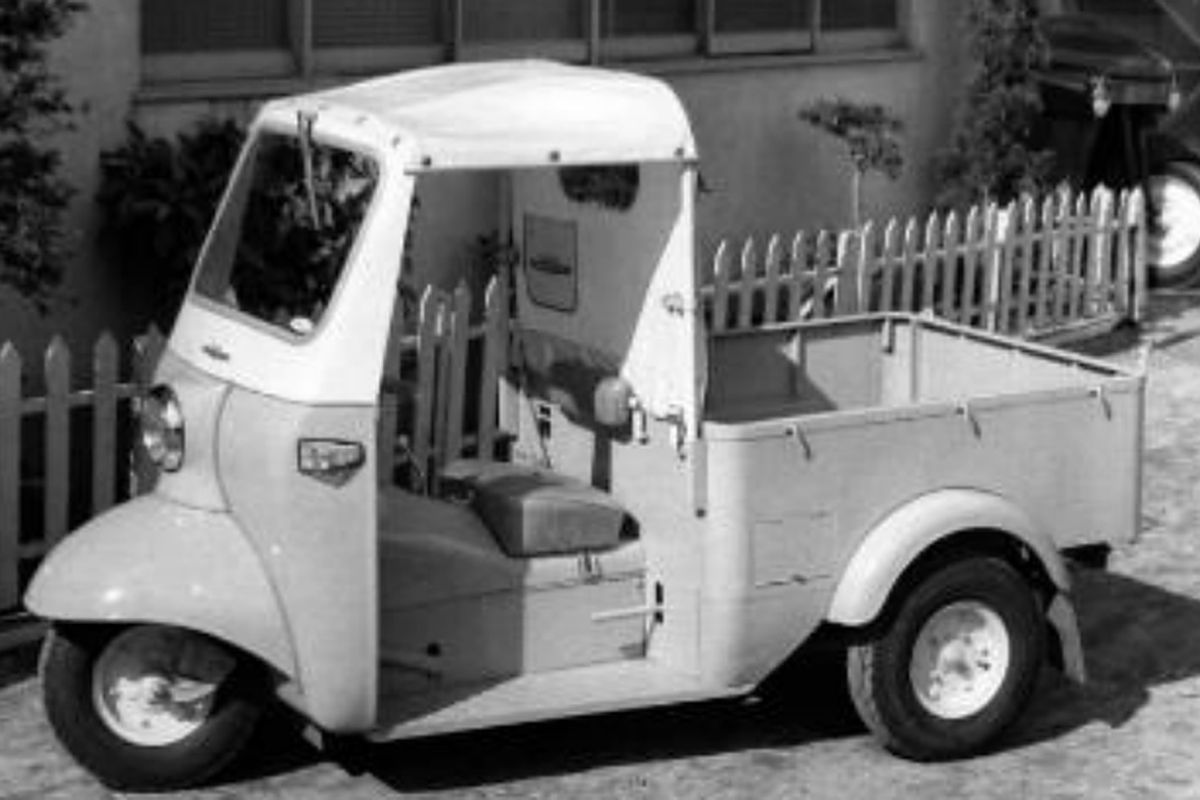
The Midget was conceived as a solution for the burgeoning needs of small businesses and urban logistics in post-war Japan. Its compact yet functional design made it an ideal vehicle for transporting light goods. The Midget’s diminutive size, measuring approximately 2,540 mm in length, 1,200 mm in width, and 1,500 mm in height, belied its surprising utility. It was capable of carrying two adults or up to 300 kilograms of cargo, all while achieving a modest top speed of around 65 km/h. This made it an exceptionally efficient and accessible mode of transport for its era.
The "Bemo" Revolution: Daihatsu Midget Captures the Indonesian Imagination
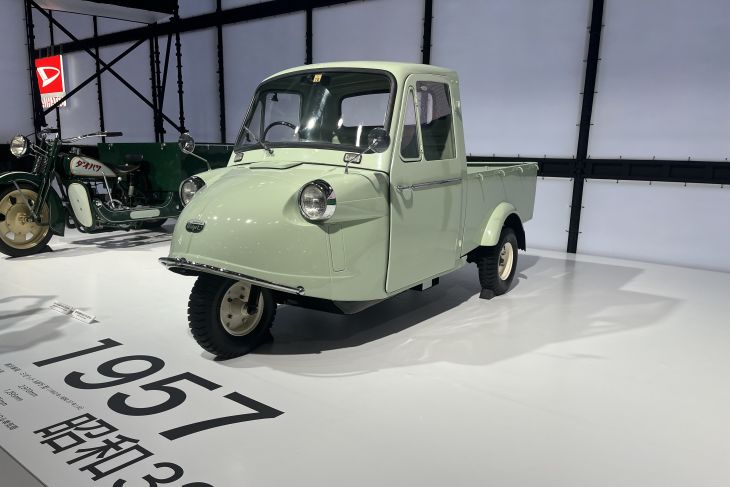
Daihatsu’s presence in Indonesia began in earnest in 1957, with the introduction of the Midget. While officially known as the Daihatsu Midget, it quickly earned an affectionate and enduring nickname among Indonesians: the "Bemo." This colloquial term became synonymous with the distinctive three-wheeled vehicle, largely due to its widespread adoption as public transportation and a workhorse for goods delivery across cities and towns. The Bemo’s cultural significance was so profound that it even played a role in the IV Asian Games held in Jakarta, underscoring its integration into the fabric of Indonesian life.
The initial Midget offerings in Indonesia included the Midget I and the Model MP4, catering to different practical needs. The Bemo’s legacy continued to evolve, and in 1996, Daihatsu introduced a four-wheeled successor, the Midget II, which carried forward the spirit of its predecessor while adapting to modern automotive standards.
The success of the Midget paved the way for Daihatsu to broaden its product portfolio. By the late 1960s, the company was releasing a series of new models, including the Fellow L37, Fellow Max Hartop and Non-Hartop, Fellow Buggy, and the Daihatsu Max Cuore. These vehicles showcased Daihatsu’s growing engineering capabilities and its commitment to offering diverse automotive solutions.
The Rise of the Hatchback and Commercial Workhorses: Charade, Hijet, and Zebra
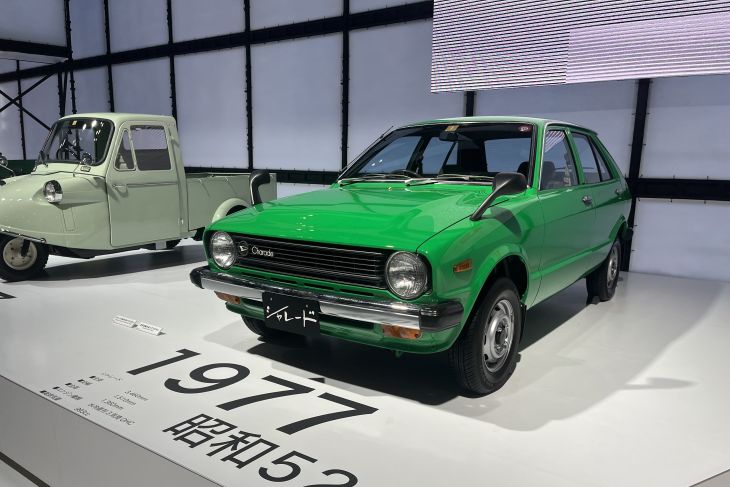
A significant milestone in Daihatsu’s history, particularly for the Indonesian market, was the launch of the Daihatsu Charade in 1977. This compact hatchback quickly garnered attention for its modern design and respectable performance. Powered by a 1.0-liter, three-cylinder engine producing 55 PS at 5,500 RPM and a maximum torque of 75 Nm at 3,200 RPM, the Charade offered a compelling blend of efficiency and everyday usability. It marked Daihatsu’s entry into the burgeoning hatchback segment and remained a popular model until the early 2000s, laying the foundation for Daihatsu’s reputation in this segment.
The 1980s and 1990s saw Daihatsu further solidify its presence in Indonesia with the introduction of the Hijet and Zebra. These models became indispensable for entrepreneurs and small businesses due to their renowned fuel efficiency, practicality, and ease of maintenance. They were the go-to vehicles for a wide range of commercial applications, from street vendors to distribution companies. This era cemented Daihatsu’s image as a provider of reliable and economical commercial vehicles.
Catering to the Family and the Modern Consumer: Xenia, Gran Max, Ayla, and Sigra
As the new millennium dawned, Daihatsu strategically shifted its focus towards vehicles that catered to the evolving needs of Indonesian consumers, particularly families and the expanding small and medium-sized enterprise (UMKM) sector. This strategic recalibration led to the introduction of several highly successful models.
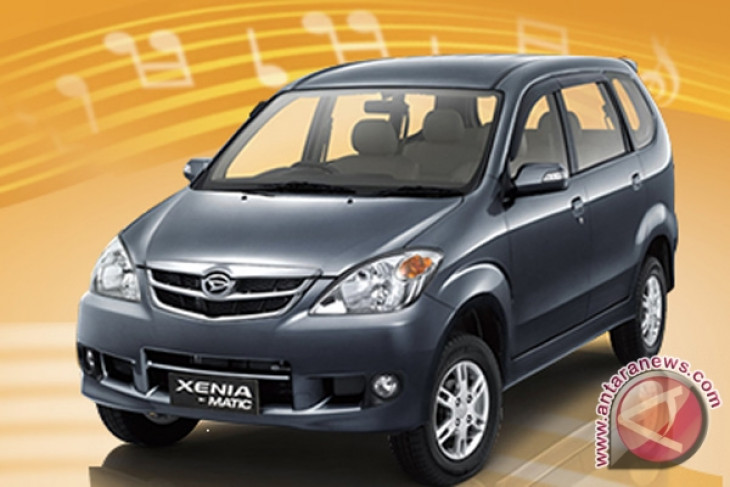
In 2004, Daihatsu launched the Xenia, a seven-seater family car that quickly became a household name. The Xenia was designed with spaciousness, fuel efficiency, and affordability in mind, making it an instant favorite among Indonesian families seeking practical and economical transportation. Its success was a testament to Daihatsu’s understanding of the domestic market’s priorities.
Three years later, in 2007, the Gran Max was introduced. This versatile vehicle quickly gained traction for its substantial cargo capacity and excellent fuel economy, making it an ideal choice for UMKM operators and the logistics sector. The Gran Max became a vital tool for businesses looking to optimize their operations and expand their reach.
Responding to the growing demand for environmentally conscious and urban-friendly vehicles, Daihatsu unveiled the Ayla in 2013. This compact, eco-friendly car was specifically designed for city driving, offering exceptional fuel efficiency and maneuverability. The Ayla further broadened Daihatsu’s appeal, attracting a new generation of drivers looking for practical and sustainable urban mobility solutions.
In 2016, Daihatsu introduced the Sigra, another seven-seater family vehicle that qualified under Indonesia’s Low Cost Green Car (LCGC) program. The Sigra combined affordability, practicality, and adherence to environmental standards, making it a compelling option for families seeking value and responsible motoring.
A Glimpse into the Future: The Electric Renaissance of the Daihatsu Midget X
In the past two decades, Daihatsu has demonstrated a strong commitment to innovation, particularly in the realm of environmental sustainability. The company has actively pursued the development of electric and hybrid vehicles, alongside advancements in fuel efficiency technology aimed at reducing carbon emissions.
The year 2025 is poised to be a landmark year for Daihatsu, as it plans to reintroduce a modern interpretation of its legendary icon: the Midget X. Set to be unveiled at the Japan Mobility Show 2025, the Midget X represents a bold leap into the future of personal mobility.
This reimagined Midget will be a compact electric vehicle that seamlessly blends retro-modern aesthetics with cutting-edge technology. It will retain the distinctive compact silhouette of its predecessors while incorporating contemporary design elements. Key visual cues include innovative round LED headlights, a convex front windshield reminiscent of a helicopter’s canopy, and semi-open alloy wheels with integrated lighting.
The interior of the Midget X is designed for surprising functionality and comfort. The steering wheel is positioned between two passenger seats, and the cabin features innovative storage solutions, a fold-down rear bed, and a rear-hinged tailgate with a rotary handle. This thoughtful design maximizes the utility of its compact dimensions, reflecting a thoughtful approach to modern lifestyle needs.
The Midget X embodies the culmination of Daihatsu’s long evolutionary journey. From its humble beginnings as a utilitarian three-wheeler in the 1950s, the Midget has been reborn as an electric vehicle poised to meet the demands of contemporary urban living. This transformation signifies not just a technological advancement but also a deep respect for its heritage and a forward-looking vision for sustainable transportation. The Midget X’s potential impact extends beyond a mere product launch; it signals Daihatsu’s readiness to lead in the electric vehicle revolution while staying true to its legacy of practical, accessible, and innovative mobility solutions. The company’s continued investment in research and development in areas like battery technology and lightweight materials will be crucial in ensuring the Midget X, and future Daihatsu electric vehicles, can compete effectively in a rapidly evolving global automotive landscape.