Xiaomi Indonesia has officially significantly expanded its footprint in the domestic smart home market, unveiling a strategic collection of six advanced AIoT (Artificial Intelligence of Things) devices this September 2026. This comprehensive rollout underscores the company’s ongoing transition from a smartphone-centric manufacturer to a holistic technology provider, integrating its "Human x Car x Home" ecosystem into the daily lives of Indonesian consumers. The new lineup, which emphasizes automation, health, and security, includes three variants of the Mijia Vacuum Cleaner 4 series, the Mijia Wireless Wet Dry Vacuum 5 Pro, the high-performance Mijia Smart Air Purifier 6 Plus, and the security-focused Xiaomi Smart Camera C401.
The introduction of these products is a calculated response to shifting consumer behavior in Indonesia, where urban dwellers are increasingly investing in home infrastructure that promotes wellness and efficiency. According to recent market analysis, the demand for smart home appliances in Southeast Asia has seen a compound annual growth rate (CAGR) of over 12% as middle-class households prioritize connectivity and automated maintenance. Xiaomi, by leveraging its deep integration with the Xiaomi Home application, aims to capture a larger share of this growing sector by providing a unified experience where cleaning, air quality, and surveillance are managed under a single digital interface.
The Evolution of the Mijia Vacuum Cleaner 4 Series
Central to the launch is the Mijia Vacuum Cleaner 4 series, which provides a tiered approach to home maintenance, catering to diverse household needs and price sensitivities. Xiaomi has strategically positioned these devices to compete across the entry-level to premium segments.
The Mijia Vacuum Cleaner 4 C serves as the entry point. With a 170AW suction power and a specialized anti-tangle comb design, it is engineered to handle the common pain points of residential cleaning—specifically pet hair and long human hair that typically clog conventional brush rolls. Its 75-minute battery life is designed for apartments and smaller homes, offering a practical, low-barrier entry into the Xiaomi ecosystem at a price point of approximately IDR 1 million.
For those requiring more robust performance, the standard Mijia Vacuum Cleaner 4 increases suction capacity to 230AW and extends battery longevity to 90 minutes. A notable design innovation here is the "bendable tube," which addresses ergonomic concerns by allowing the vacuum to reach under beds and low-profile sofas without requiring the user to strain their back. This model bridges the gap between basic utility and advanced convenience.
The flagship of the series, the Mijia Vacuum Cleaner 4 Pro, represents the pinnacle of the company’s portable cleaning technology. Boasting 280AW of suction power and a versatile array of seven attachments, it is marketed as a total-home cleaning solution. Its inclusion of "smart dirt detection"—a sensor-driven technology that automatically adjusts power based on the intensity of debris—is an industry-leading feature for its price bracket. Furthermore, the 180-degree wide-angle blue-light dust detection helps users visualize microscopic particles that are otherwise invisible to the naked eye. Priced at roughly IDR 4 million, the Pro model is positioned for the discerning consumer who views home maintenance as an essential health investment.
Advanced Hygiene: Mijia Wireless Wet Dry Vacuum 5 Pro
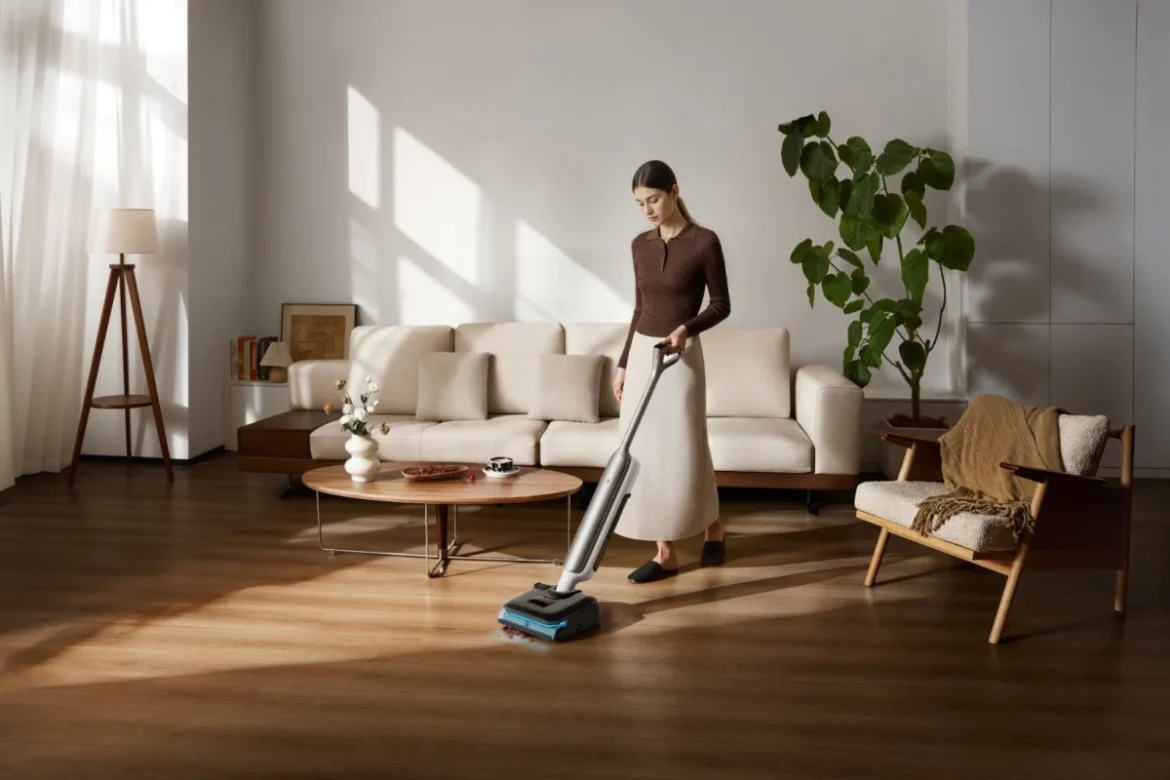
Addressing the demand for more intensive sanitation, the Mijia Wireless Wet Dry Vacuum 5 Pro introduces a sophisticated wet-and-dry cleaning mechanism. Unlike standard vacuums, this unit addresses both solid waste and liquid spills, a feature increasingly requested by modern households.
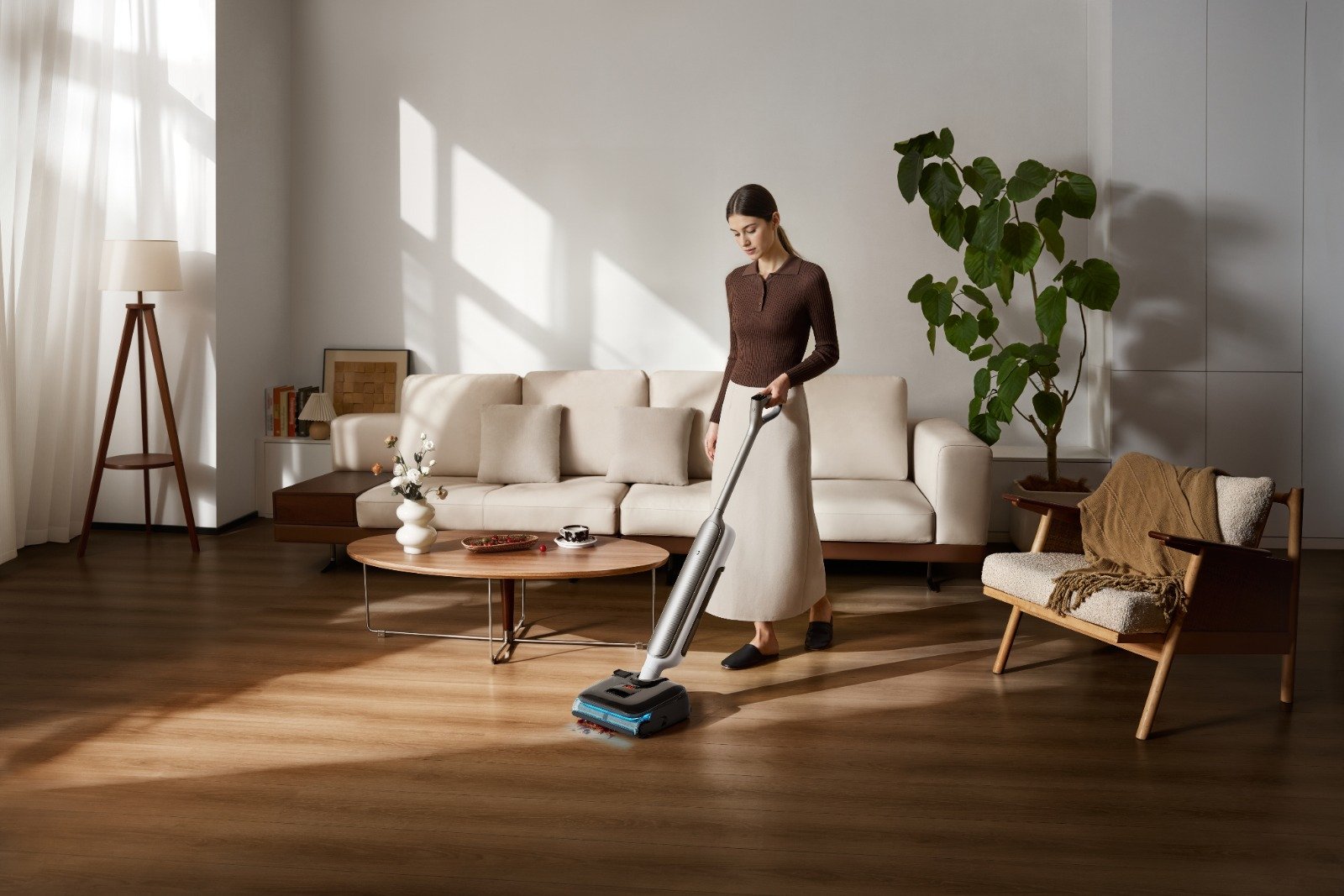
The technical specifications are impressive: 26,000Pa of suction power coupled with a 160-degree Celsius steam cleaning capability. This thermal application is critical for sanitizing hard floors and removing stubborn stains that traditional mopping cannot eliminate. A standout feature is the self-cleaning system, which utilizes 100-degree Celsius hot water to wash the roller brush after use, followed by high-temperature drying. By automating the cleaning and sterilization of the device itself, Xiaomi effectively mitigates the risk of bacterial growth and malodor, which are common drawbacks of conventional mop-vacuums. At a price point of IDR 7 million, it is positioned as a premium utility for comprehensive home hygiene.
Security and Air Quality Integration
The expansion is not limited to cleaning; Xiaomi is also strengthening its "Home Security" and "Environmental Comfort" pillars. The Xiaomi Smart Camera C401 is a critical update in the company’s surveillance portfolio. Utilizing a 4MP sensor capable of 2.5K resolution, the camera provides high-fidelity monitoring. Its 360-degree panoramic view, paired with AI-driven motion and human detection, ensures that users can monitor their premises with granular detail. The implementation of Wi-Fi 6 dual-band connectivity is a strategic move to ensure stability, particularly in households with high network traffic. The device’s two-way audio functionality allows for seamless interaction with family members or delivery personnel, solidifying its role as an essential home management tool.
Simultaneously, the Mijia Smart Air Purifier 6 Plus addresses the growing concern over indoor air quality, particularly in densely populated urban centers. Capable of filtering 99.99% of PM1 and PM2 particles within a 91-square-meter area, the device is designed for large living spaces. Its integration of a UVC module, certified to eliminate 99.99% of H1N1 viruses, provides a clinical level of air sanitation. By reducing common allergens like pollen, mold, and dust mites, the purifier serves as a protective layer for household residents, further aligning with Xiaomi’s "Live Right, Live Smart" philosophy.
Strategic Implications and Market Timeline
The rollout of these devices follows a deliberate, phased schedule. The Mijia Smart Air Purifier 6 Plus led the launch on September 9, 2026, followed by the broader collection—including the vacuum series and the smart camera—on September 16, 2026. This staggered release allows the market to digest the new ecosystem components and facilitates more targeted promotional campaigns.
Michael Feng, Country Director of Xiaomi Indonesia, noted that the company’s strategy is a direct response to the evolving "home-centric" lifestyle. "We observe that consumers are centering their daily lives around their homes more than ever before—whether for professional productivity, physical fitness, or leisure. Our goal is to provide a seamless technological layer that enhances these activities," Feng stated.
From an industry perspective, Xiaomi’s aggressive expansion indicates a shift in the smart home landscape. By offering a comprehensive range of products—from low-cost entry points to high-end smart appliances—the company is building a "moat" around its user base. Once a consumer invests in a smart camera or an air purifier, the convenience of the Xiaomi Home application encourages the acquisition of additional products within the same ecosystem. This interoperability, where a single app manages everything from cleaning robots to security cameras, creates significant brand loyalty and long-term user retention.
Furthermore, the focus on AI and health-centric features (such as UVC air purification and hot-water sanitization) aligns with post-pandemic consumer priorities. Xiaomi is successfully positioning itself not merely as a hardware vendor, but as a lifestyle partner. As these devices integrate into more Indonesian households, the data collected from these interactions will likely allow the company to further refine its AI algorithms, leading to even more predictive and autonomous home management solutions in the future.
Ultimately, this latest expansion reinforces Xiaomi’s commitment to the Indonesian market. By providing high-specification, connected hardware at competitive price points, the company is democratizing access to smart home technology. As the digital infrastructure in Indonesia continues to improve, Xiaomi’s "Human x Car x Home" strategy is set to play a pivotal role in defining the standard for modern, intelligent living in the country. The success of this launch will likely serve as a blueprint for the company’s future efforts in other emerging markets, where the intersection of affordability and high-tech utility remains the key to unlocking consumer adoption.