Jakarta, Indonesia – July 23, 2026 – The landscape of entrepreneurship in Indonesia is continually evolving, demonstrating that significant capital is not always a prerequisite for establishing a viable business. With meticulous planning, strategic market selection, and an understanding of contemporary consumer demands, an initial investment of approximately IDR 5 million (equivalent to roughly USD 320 at current exchange rates) can serve as a robust foundation for a small-scale enterprise with substantial growth prospects. This financial threshold has empowered numerous entrepreneurs to transition from limited resources to expanding operations, underscoring the dynamic and accessible nature of the Indonesian business ecosystem.
The current economic climate, coupled with rapid technological advancements, has fostered an environment ripe for micro and small enterprises (MSEs). The proliferation of digital platforms and e-commerce has significantly lowered operational overheads, making it easier for new ventures to reach a broader customer base without the need for traditional brick-and-mortar setups. This article delves into various business concepts that are particularly well-suited for an IDR 5 million initial investment, providing a detailed roadmap for aspiring entrepreneurs.
The Indonesian MSME Landscape: A Foundation for Growth
Economic Contributions and Resilience
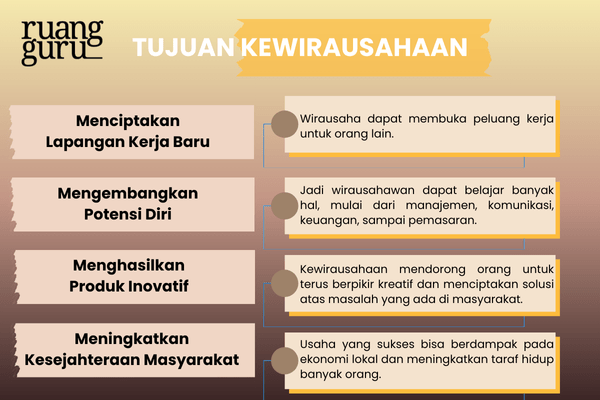
Micro, Small, and Medium Enterprises (MSMEs) form the backbone of Indonesia’s economy, contributing significantly to its Gross Domestic Product (GDP) and employment figures. According to recent economic reports, MSMEs account for over 99% of all businesses in Indonesia and absorb more than 97% of the national workforce. This sector’s resilience, particularly demonstrated during global economic downturns, highlights its crucial role in maintaining economic stability and fostering inclusive growth. The government has consistently emphasized the importance of nurturing MSMEs through various policies and support programs, recognizing their potential to drive innovation and create new job opportunities.
The Digital Transformation Catalyst
The past decade has witnessed a profound digital transformation across Indonesia, dramatically altering how businesses operate and consumers interact with markets. The widespread adoption of smartphones and internet connectivity has facilitated the rise of e-commerce platforms, social media marketing, and digital payment systems. For entrepreneurs with limited capital, this shift is a game-changer. It enables them to establish an online presence, market products or services, and conduct transactions with minimal upfront investment in physical infrastructure. This democratization of market access is a primary reason why an IDR 5 million budget can now be effectively leveraged to launch a competitive business.
Fundamental Principles for Lean Startups
Embarking on an entrepreneurial journey with limited capital necessitates a strategic and disciplined approach. Adhering to several core principles can significantly enhance the likelihood of success:
- Strategic Planning and Market Research: Before any investment, thorough market research is paramount. Identify a niche, understand target demographics, analyze competitor offerings, and assess potential demand. A well-defined business plan, even if concise, guides decision-making and resource allocation.
- Frugal Operations: Every rupiah counts. Prioritize essential expenditures and seek cost-effective solutions for all operational aspects. This might involve utilizing home spaces, leveraging open-source software, or opting for manual processes before scaling.
- Leveraging Digital Platforms: Maximize the use of free or low-cost digital tools for marketing, sales, and customer service. Social media, messaging apps, and local online marketplaces can provide extensive reach at minimal cost.
- Focus on Value Proposition: Differentiate your offering by focusing on unique value. This could be exceptional customer service, a highly specialized product, or a compelling brand story.
- Adaptability and Learning: The initial stages of any business often involve trial and error. Be prepared to adapt strategies based on customer feedback and market responses. Continuous learning and agility are key to navigating challenges.
Detailed Business Ventures with IDR 5 Million Capital
Given the aforementioned landscape and principles, here are several business ideas that are particularly well-suited for an initial investment of IDR 5 million in Indonesia:
1. Frozen Food Enterprises
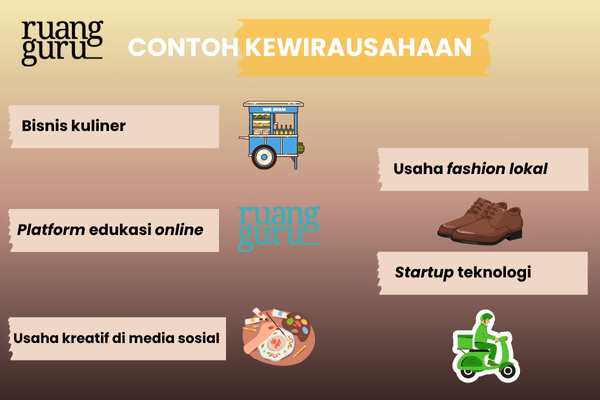
The frozen food segment continues to demonstrate robust demand in Indonesia, driven by evolving consumer lifestyles that prioritize convenience and longer product shelf-life. With a budget of IDR 5 million, aspiring entrepreneurs can strategically enter this market. The initial capital can be allocated towards acquiring a compact freezer unit (approximately IDR 1.5-2 million), a foundational stock of popular frozen items such as nuggets, sausages, dim sum, or pre-marinated proteins (IDR 1.5-2 million), and essential packaging materials, including vacuum seals or branded pouches (IDR 500,000). A portion would also be reserved for initial promotional efforts, leveraging social media platforms and local community groups. This model benefits from relatively low inventory turnover risk due to extended shelf life and caters to a broad demographic, from busy professionals to households seeking quick meal solutions. Expansion opportunities include diversifying product offerings, collaborating with local home-based producers, or establishing a small delivery network.
2. Artisan Coffee Carts
Indonesia’s burgeoning coffee culture presents a fertile ground for new ventures. An IDR 5 million investment can facilitate the launch of a minimalist coffee cart or a home-based manual brew coffee stand. Capital can be utilized for purchasing basic brewing equipment such as a V60 set, French press, or AeroPress (IDR 500,000 – 1 million), high-quality local coffee beans (IDR 1-1.5 million), disposable or eco-friendly cups, and essential supplementary ingredients like milk, sugar, and syrups (IDR 1 million). A simple, portable cart or a designated corner in a home can serve as the operational base. Marketing can focus on unique brew methods, locally sourced beans, and personalized service, targeting office workers, students, or neighborhood residents. This concept thrives on low overheads and the high profit margins associated with coffee sales.
3. Fashion Reselling
The fashion reselling business offers a relatively low-risk entry point for entrepreneurs with limited capital. By establishing partnerships with wholesalers, local garment manufacturers, or even utilizing a drop-shipping model, the need for significant inventory investment is mitigated. The IDR 5 million budget can primarily be directed towards building an attractive online presence (e.g., professional social media profiles, a basic e-commerce site or marketplace storefront), high-quality product photography (IDR 500,000 – 1 million for equipment or professional services), and initial marketing campaigns on platforms like Instagram or TikTok (IDR 1-2 million). Focus can be on specific niches such as modest fashion (hijab), unique accessories, or curated second-hand apparel, capitalizing on Indonesia’s diverse fashion tastes and growing awareness of sustainable consumption.
4. Bespoke Hampers and Gift Services
The demand for personalized hampers and gift baskets experiences consistent spikes, particularly around major holidays (Eid al-Fitr, Christmas, Chinese New Year), birthdays, and special occasions like weddings or graduations. An IDR 5 million capital can be allocated to procuring various aesthetic packaging materials such as decorative boxes, ribbons, tags, and embellishments (IDR 1-1.5 million), along with a diverse initial stock of popular hamper fillers tailored to specific themes (e.g., gourmet snacks, local crafts, beauty products, personalized items – IDR 2-3 million). Marketing efforts should highlight customization options, aesthetic presentation, and convenient delivery services. This business thrives on creativity, attention to detail, and effective social media promotion, allowing for high margins on curated selections.
5. Home-Based Kilo Laundry Services
With increasing urbanization and busy lifestyles, the demand for practical services like laundry remains consistently high. If an entrepreneur already owns a washing machine, an IDR 5 million investment can effectively launch a home-based kilo laundry service. Capital would cover the purchase of high-quality detergents, fabric softeners, and stain removers (IDR 1 million), laundry racks, hangers, and ironing equipment (IDR 1-1.5 million), a reliable weighing scale (IDR 500,000), and perhaps a small dryer if budget permits. Marketing can be hyper-local, targeting neighborhood residents, small businesses, or student dormitories, emphasizing convenience, affordability, and efficient service. Offering pick-up and delivery services can further enhance customer appeal.
6. Specialized Shoe and Bag Care
As consumer awareness regarding the maintenance and longevity of fashion accessories grows, so does the market for specialized care services. An IDR 5 million budget can equip a small-scale shoe and bag laundry/restoration service. Investment would go into professional cleaning solutions specific to various materials (leather, suede, canvas – IDR 1-1.5 million), specialized brushes, microfiber cloths, and polishing tools (IDR 500,000 – 1 million). A small air compressor or specialized drying cabinet might also be acquired. Services can range from basic cleaning to stain removal, color restoration, and minor repairs. This niche business benefits from a growing appreciation for branded goods and the desire to extend their lifespan, offering a valuable service to a discerning clientele.
7. Contemporary Beverage Stalls
The "kekinian" (contemporary) beverage trend continues its strong run in Indonesia, with popular drinks like iced coffee milk, matcha lattes, Thai tea, various chocolate concoctions, and fresh fruit blends dominating the market. An IDR 5 million investment can establish a simple beverage booth or a home-based delivery service. Funds would cover basic blenders or shakers (IDR 500,000 – 1 million), initial stock of ingredients (syrups, powders, fruits, milk – IDR 1.5-2 million), cups, straws, and sealing machines (IDR 1 million). The business can leverage food delivery apps for wider reach and focus on unique flavor combinations, attractive packaging, and engaging social media content to capture the attention of younger demographics.
8. Artisanal Snack Production
Indonesia’s rich culinary heritage provides an endless source of inspiration for snack businesses. With IDR 5 million, an entrepreneur can start producing artisanal snacks, focusing on quality ingredients and unique flavors. Capital would cover kitchen equipment like mixers, ovens (if baking), or deep fryers (IDR 1.5-2 million), raw materials (IDR 1.5-2 million), and appealing packaging (IDR 500,000). Snacks can range from traditional Indonesian kue (cakes), modern twists on local treats, or healthy, organic options. Selling through online platforms, local markets, or consignment with small cafes can build a customer base. This business thrives on word-of-mouth and the ability to consistently deliver delicious, high-quality products.
9. Digital Services Consultancy
For individuals with specific digital skills (e.g., graphic design, social media management, content writing, basic web development), an IDR 5 million investment can launch a freelance digital services consultancy. The capital would primarily be allocated to a reliable laptop or computer (if not already owned, or for upgrades – IDR 2-3 million), essential software subscriptions (e.g., Adobe Creative Suite, Canva Pro – IDR 500,000), and professional networking tools or online portfolio hosting (IDR 500,000). Marketing involves building a strong online portfolio, networking with small businesses, and leveraging platforms like LinkedIn or freelance marketplaces. This business model has extremely low overheads and high scalability, relying on expertise and client acquisition.
10. Online Tutoring and Skill-Based Workshops
The demand for supplementary education and skill development remains strong. If an entrepreneur possesses expertise in academic subjects, languages, musical instruments, or vocational skills, an IDR 5 million budget can establish an online tutoring or workshop business. Key expenditures would include a high-quality webcam and microphone (IDR 500,000), subscription to a reliable video conferencing platform (IDR 200,000-500,000 per month), and marketing materials to promote services on social media or educational forums (IDR 1-2 million). Creating engaging curriculum materials and offering flexible scheduling can attract a diverse student base. This model leverages personal knowledge and offers significant flexibility.
11. Home Catering and Specialty Baking
For those with culinary talent, starting a home catering or specialty baking business is a viable option. An IDR 5 million investment can cover the cost of upgrading kitchen tools (e.g., specialized baking molds, larger pots/pans – IDR 1-1.5 million), purchasing high-quality ingredients in bulk (IDR 2-2.5 million), and investing in attractive packaging for delivery (IDR 500,000). Focus can be on niche markets such as healthy meal prep, specific dietary needs (e.g., gluten-free, vegan), or custom celebration cakes. Marketing through local community groups, food bloggers, and Instagram can quickly build a client base, especially for events and special orders.
12. Urban Gardening Supplies
With increasing environmental awareness and a growing interest in self-sufficiency, urban gardening has seen a surge in popularity. An IDR 5 million capital can be used to establish a business selling urban gardening supplies. This includes purchasing a diverse stock of seeds, small plant starts, organic fertilizers, gardening tools (small trowels, gloves), and compact potting mixes (IDR 2-3 million). Additionally, some funds can be allocated to creating informative online content (blogs, videos) about urban gardening techniques, which serves as both marketing and value addition. Sales can be conducted online through e-commerce platforms or local community markets, targeting city dwellers with limited space.
Strategic Financial Management and Growth
Successfully launching a business with IDR 5 million requires not just creative ideas but also astute financial management.
Prudent Capital Allocation
Entrepreneurs must prioritize essential expenses. The IDR 5 million should primarily cover initial inventory, basic equipment, and immediate marketing efforts. Non-essential expenses should be deferred until the business generates revenue. A detailed breakdown of costs before starting is crucial, ensuring no critical component is overlooked. For instance, for a frozen food business, the freezer is non-negotiable, while elaborate branding might wait.
Leveraging Digital Marketing Economically
Paid advertising can quickly deplete a small budget. Instead, focus on organic growth through compelling content, engaging social media interactions, and building a community. Utilizing free tools like Google My Business, WhatsApp Business, and local online groups can significantly extend reach without incurring substantial costs. Collaborating with micro-influencers or offering referral incentives can also be cost-effective.
Path to Scalability
While starting small, it’s vital to have a vision for scalability. Early profits should ideally be reinvested to expand product lines, improve operational efficiency, or invest in more sophisticated marketing. For example, a home-based laundry service might save to purchase a second machine or open a small outlet. A digital services consultant might invest in advanced software or certifications to offer higher-value services.
Navigating Challenges and Ensuring Sustainability
Even with a strong foundation, small businesses inevitably face challenges that need proactive management.
Market Competition and Differentiation
The ease of entry for many of these businesses means competition can be fierce. Entrepreneurs must continuously innovate and differentiate their offerings, whether through superior customer service, unique product features, or a compelling brand story. Regularly gathering customer feedback is vital for staying relevant.
Operational Hurdles and Regulatory Compliance
Managing inventory, logistics, and customer expectations can be demanding for a lean operation. Entrepreneurs should streamline processes wherever possible. For food-related businesses, adhering to hygiene standards and obtaining necessary local permits, even for home-based operations, is critical for long-term sustainability and reputation. While initial permits might be minimal for micro-businesses, understanding future requirements as the business grows is prudent.
Broader Socio-Economic Implications
The encouragement of small businesses with limited capital has profound socio-economic implications for Indonesia. It fosters job creation, not just for the entrepreneur but potentially for future employees as the business expands. It promotes economic resilience by diversifying local economies and reducing reliance on large corporations. Furthermore, it empowers individuals, particularly women and youth, to achieve financial independence and contribute to their communities, aligning with national development goals for inclusive growth and poverty reduction.
Conclusion: A Fertile Ground for Aspiring Entrepreneurs
As of 2026, Indonesia presents a uniquely fertile ground for aspiring entrepreneurs, demonstrating that ambition and strategic planning can overcome capital constraints. The IDR 5 million threshold, once considered modest, now represents a viable entry point into a diverse range of industries, particularly those leveraging digital connectivity and evolving consumer habits. The success stories emerging from this segment serve as a testament to the resilience and ingenuity of Indonesian entrepreneurs. By embracing lean operations, focusing on value, and leveraging the digital ecosystem, individuals can transform modest savings into thriving businesses, contributing significantly to both personal prosperity and national economic vitality. The journey requires dedication, adaptability, and a keen understanding of the market, but the opportunities for growth and impact are undeniably vast.